
You are a youth leader, teacher, or mentor who has seen it: a student blurts out, grabs a phone, or makes a snap decision they instantly regret. You know they need better impulse control, but you don’t want to deliver a boring lecture that makes their eyes glaze over. The good news is that you can teach a self control youth lesson that is interactive, memorable, and genuinely useful—without a single awkward silence.
This article gives you a ready-to-use classroom script, backed by research on self-discipline, plus practical activities to help young people practice pausing before acting. You will walk away with everything you need to run a 45-minute session that actually changes behavior. Let us begin.
Table of Contents
Why This Self Control Youth Lesson Works
Young people learn best when they feel involved, not lectured at. The script below uses storytelling, group challenges, and a simple “pause and plan” framework that taps into the brain’s ability to build new habits. According to James Clear, author of Atomic Habits , tiny changes in environment and mindset lead to massive shifts in self-discipline. This lesson puts that principle into practice.
The Science Behind Impulse Control (In Youth-Friendly Terms)
Before the script, you need a quick science hook. Explain to students that the prefrontal cortex (the “wise leader” part of the brain) is still growing well into their early twenties. The limbic system (the “emotional toddler”) reacts fast. Impulse control is simply training the wise leader to speak up before the toddler throws a tantrum.
You can reference the famous marshmallow test and talk about delayed gratification. But make it relatable: “That urge to check your phone during class is your emotional toddler. Your wise leader decides to wait until break.” This distinction makes the self control youth lesson feel like a skill, not a punishment.
The Perfect Self Control Youth Lesson Script (Full Script)
This script takes about 25 minutes to deliver. You can adjust timing based on your group. The language is conversational and playful.
Step 1: The Hook (3 minutes)
Say to your group: “Raise your hand if you have ever done something in two seconds that you regretted for two hours. (Pause for laughs and hands.) Me too. Today we are going to learn a secret weapon against that split-second bad decision. It is not a lecture. It is a game you can play inside your own head.”
Step 2: The “Stoplight” Model (5 minutes)
Draw a traffic light on the board or a large paper.
- Red light: Stop. Do nothing for three seconds. Breathe.
- Yellow light: Ask yourself: “What are my options? What will happen next?”
- Green light: Choose the smartest option and go.
Say: “This is called the Stoplight Method. It turns your impulse control into a habit. Every time you feel that angry, scared, or excited urge, you imagine a red light. Three seconds. That is all. Then you move to yellow, then green.”
Step 3: Group Practice Scenarios (10 minutes)
Divide students into small groups. Give each group a card with a scenario. They must discuss how to use the Stoplight Method together. Scenarios you can use:
- A friend texts you a mean joke about someone else and wants you to forward it.
- You are about to blow up at a sibling who took your stuff.
- You see a video game you want, but you are saving for something bigger.
- Someone cuts in front of you in the lunch line.
After five minutes, ask each group to share their “yellow light” thinking. Emphasize that there is no perfect answer—only a process.
Step 4: The “Two Doors” Decision (5 minutes)
Draw two doors on the board. Door A leads to immediate fun, small consequences. Door B leads to something better later. Give real examples:
- Door A: Scroll social media for an hour (feels good now, but you feel empty later).
- Door B: Study for 30 minutes, then free time (pride, better grades).
Say: “Self-discipline is choosing Door B even when Door A looks more fun. The trick is to pause (red light) and ask: ‘Which door will I be glad I chose tomorrow?’ ”
Step 5: Quick Personal Commitment (2 minutes)
Hand out index cards. Ask each student to write one impulse they want to work on this week (e.g., “stop interrupting,” “put my phone away during dinner”). Then write one simple red light action they will use. Collect the cards to return next week for accountability.
How to Avoid an Awkward Lecture (Key Tips)
- Keep your tone warm and curious, never scolding.
- Use humor: “Your brain is a little like a puppy right now. It needs training.”
- Let students share their own stories without judgment.
- Move around the room. Do not stand behind a podium.
- Use the phrase “we” instead of “you”. “We all struggle with impulse control.”
Extending the Self Control Youth Lesson into Real Life
One 45-minute lesson is a great start, but lasting change comes from repetition. Here are three ways to deepen your self control youth lesson over time.
Daily “Stoplight Check-Ins”
Start each day or class with a one-minute check. Students silently run through a recent moment they used the Stoplight Method. This neural rehearsal builds the habit.
Role-Playing with Younger Buddies
Pair older students with younger ones. The older youth teach the Stoplight Method to a child. Teaching locks in learning. It also builds leadership and empathy.
Journaling Prompts
- “When did I pause before reacting today? What happened?”
- “When did I NOT pause? What could I have done differently?”
- “What is one small way I showed self-discipline today?”
Recommended Resources for Youth Leaders and Teens
To supplement your self control youth lesson, here are powerful books on self-discipline. You can read them yourself to deepen your teaching, or recommend specific ones to motivated youth (and their parents).
Featured Products
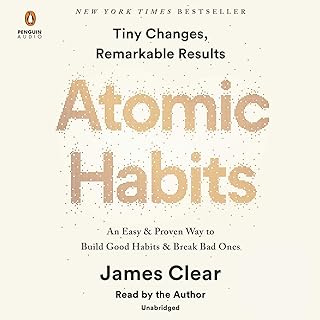
Atomic Habits by James Clear — Price: $0.00 (audible), Rating: 4.8. This book provides a simple framework for building good habits and breaking bad ones. Perfect for both teachers and teens who want to understand how tiny changes lead to big results.
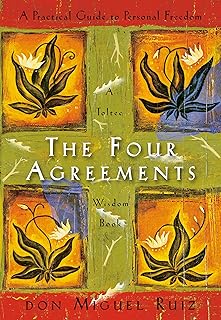
The Four Agreements: A Practical Guide to Personal Freedom by Don Miguel Ruiz — Price: $7.05, Rating: 4.7. This short, powerful book offers four principles for living with integrity and self-control. Ideal for older youth (13+) who want a philosophical anchor.
Discipline Equals Freedom: Field Manual Mk1-MOD1 by Jocko Willink — Price: $12.93, Rating: 4.7. A gritty, motivational guide for anyone seeking mental toughness. Geared toward older teens and adults who respond to direct, no-nonsense advice.
Comparison Table
| Product | Price | Rating | Key Focus | Buy at Amazon |
|---|---|---|---|---|
 |
$0.00 (Audible) | 4.8 | Habit formation, small changes | Buy Now |
 |
$7.05 | 4.7 | Personal freedom, integrity | Buy Now |
 |
$12.93 | 4.7 | Mental toughness, action | Buy Now |
 |
$0.00 (Audible) | 4.4 | 5-minute exercises, self-control | Buy Now |
 |
$12.99 | 4.8 | Digital addiction, dopamine | Buy Now |
Frequently Asked Questions About the Self Control Youth Lesson
What age group is this lesson best for?
The script works well for ages 10 to 18. For younger students (10–13), simplify the language and use more concrete examples. For teens (14–18), you can dive deeper into brain science and real-world consequences.
How long should the session last?
The core script takes about 25 minutes. With group discussions and the commitment card, plan for 40–45 minutes total. You can also break it into two shorter sessions.
Do I need any special materials?
No. You only need a whiteboard or large paper, index cards, and printed scenario cards (optional). The lesson is designed to be low-prep.
How do I handle a student who is resistant or disruptive?
Stay calm. Use the Stoplight Method yourself. Acknowledge the student’s feelings: “It sounds like you think this is silly. Thanks for being honest. Can you try the next activity with an open mind for three minutes?” Often, they will engage once they see peers having fun.
Can I use this lesson for a youth group at church or a community center?
Absolutely. The lesson is secular and values-neutral. It works in any setting where you want to build self-discipline and emotional regulation. You can easily tie it to character education or leadership development.
Putting It All Together: Your Next Step
You now have a complete self control youth lesson that turns impulse control into a fun, practical skill. No lectures. No awkward silences. Just a simple traffic light and a few powerful questions.
Print the script, practice your delivery, and trust the process. Your students will leave with a tool they can use today, tomorrow, and for the rest of their lives.
And remember: self-discipline is a muscle. Every time you help a young person pause before reacting, you are strengthening that muscle. That is the kind of teaching that changes futures.
Additional Resources for Deepening Self-Discipline
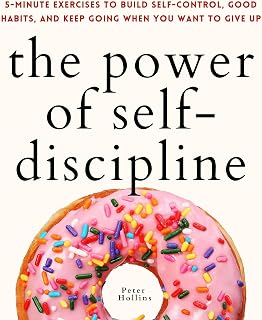
If you want to go even further, consider the book The Power of Self-Discipline: 5-Minute Exercises to Build Self-Control, Good Habits, and Keep Going When You Want to Give Up (Rating 4.4) for quick daily practices. Or Discipline Is Destiny (Rating 4.7) for a deeper Stoic perspective on self-control. All these resources align with the self control youth lesson by reinforcing the same core message: pause, think, choose.
Final Words of Encouragement
Your willingness to teach this lesson shows you care about more than just test scores or behavior charts. You care about helping young people become the best versions of themselves. Impulse control is not about being perfect. It is about learning to slow down long enough to make a choice you can be proud of.
Go ahead, try the script. The first time you see a student pause, breathe, and then make a better decision, you will know it was worth it.