
If you have a child in fifth grade—or you teach one—you already know the question: “How do I get them to focus, finish assignments, and stop procrastinating?” The answer isn’t magic. It’s self discipline for class 5.
At age 10 or 11, kids are old enough to understand responsibility, but young enough to need clear, fun guidance. Self-discipline isn’t about being strict. It’s about helping children learn to make good choices even when no one is watching.
In this guide, we’ll cover simple rules, enjoyable activities, and homework routines that build lasting self-discipline. Plus, we’ll share some excellent books that can help parents and teachers reinforce these skills.

Table of Contents
What Is Self Discipline for Class 5?
Self-discipline for class 5 means doing what you said you’d do, even when you feel bored, tired, or tempted by video games or TV. It’s the skill of delaying gratification to achieve bigger goals—like finishing homework on time so you can play guilt-free later.
For a fifth grader, this shows up in small daily choices:
- Choosing to finish a math sheet before turning on the tablet
- Cleaning up the room without being nagged
- Listening in class instead of daydreaming
- Reading for 20 minutes without complaining
These habits don’t happen naturally. They need to be taught, practiced, and celebrated. That’s where easy rules and fun activities come in.
Easy Rules for Self Discipline for Class 5
Rules work best when they are simple, consistent, and explained. Here are five rules that any 10-year-old can follow.
Rule 1: Start With One Small Thing
Don’t ask a child to be “more disciplined” in general. That’s too vague. Instead, pick one small action.
- For example: “After school, put your backpack in its spot before you talk to me about your day.”
- For homework: “Do the first problem before you ask for a snack.”
Why it works: Small wins build momentum. Once they complete that tiny task, the next one feels easier. This is the core of habit formation.
Rule 2: Use the “If-Then” Plan
Research shows that “implementation intentions” greatly increase follow-through. Turn your rule into an if-then statement.
- “If I finish my math homework, then I can watch 30 minutes of YouTube.”
- “If it’s 4:00 PM, then I start my reading log.”
This reduces decision fatigue. The child doesn’t have to think—they just execute the plan.
Rule 3: Set a Timer for Everything
Kids have a poor sense of time. A 15-minute homework session feels like an hour. Using a visible timer (like a kitchen timer or a phone app) makes time concrete.
- 15 minutes of focused work
- Then 5 minutes of break
- Then repeat
The timer becomes the boss, not the parent. It’s fair and consistent.
Rule 4: No Screens Until…
Screens are the biggest enemy of self-discipline for class 5. A simple rule: no screens until homework, chores, and personal hygiene are done.
This rule is black-and-white, which kids appreciate. They know exactly what to do to earn screen time. No arguments, no negotiation.
Rule 5: Celebrate the Effort, Not Just the Result
Praise the process: “I saw you work on that science project for 20 minutes without giving up—that’s amazing!” This teaches that discipline is about trying, not just winning.
Avoid saying “Good job” for every little thing. Instead, be specific about the behavior you want to see again.
Fun Activities to Build Self Discipline for Class 5
Rules are necessary, but kids learn best through play. Here are five engaging activities that secretly teach self-control.
Activity 1: The 5‑Minute Challenge
Pick a boring chore (like tidying the desk or solving 10 math facts). Set a timer for 5 minutes. Challenge the child to do it without stopping or complaining.
- If they succeed, they earn a point.
- After 5 points, they get a small reward (extra bedtime story, choice of dinner, etc.).
This turns drudgery into a game. It also teaches them that hard things only last a few minutes.
Activity 2: Sticker Charts With a Twist
Sticker charts are great, but they can get boring. Add a twist: mystery rewards.
- Write different rewards on slips of paper (extra screen time, a trip to the park, choose a movie).
- Every time they earn 10 stickers, they get to pick one slip blindfolded.
The suspense makes earning stickers exciting. The child focuses on the habit, not the reward.
Activity 3: The “Delay the Toy” Game
This teaches delayed gratification, a core part of self-discipline. When the child wants a small treat or toy, say:
- “You can have it now, or you can wait until tomorrow and get something better.”
Start with small stakes (e.g., one gummy bear now vs. three tomorrow). Gradually increase the waiting period. This builds the “willpower muscle.”
Activity 4: Role‑Play “Temptation Scenarios”
Kids love acting out situations. Create simple scripts:
- You’re studying for a test, and your friend calls to play video games. What do you say?
- You’re on your tablet doing homework, but a YouTube notification pops up. What do you do?
Let them practice saying “no” out loud. This prepares them for real-life distractions.
Activity 5: The “Finish Strong” Challenge
At the end of the day, ask: “What was one thing you finished completely today, without giving up halfway?”
- It could be a book chapter, a LEGO set, or a piano piece.
- Celebrate that completion.
The goal is to help them experience the satisfaction of finishing. That internal reward is more powerful than any sticker.
Homework Habits: A Key Part of Self Discipline for Class 5
Homework is where self-discipline meets the real world. Without it, assignments pile up and grades fall. Here’s how to build habits that stick.
Habit 1: Create a “Homework Power Hour”
Set aside the same 60 minutes every day for homework. During that hour:
- No phones, tablets, or TV
- No snacks except water
- The child works independently unless they’re stuck
After the hour, everything stops—even if the homework isn’t finished. That’s a natural consequence. The child learns to manage time better tomorrow.
Habit 2: Use the “Two‑Minute Rule”
If a homework task takes less than two minutes (e.g., writing the date on a worksheet, checking one box), do it immediately.
This prevents the “I’ll do it later” trap. It also builds momentum. Once they start, they’re likely to continue.
Habit 3: Break Big Assignments Into Mini‑Tasks
A science project feels overwhelming. Break it down:
| Big Task | Mini‑Tasks |
|---|---|
| Research | Find 3 facts online |
| Write | Write the introduction paragraph |
| Build | Draw the model first |
| Review | Read it out loud to a parent |
Each mini‑task takes 10–15 minutes. Check them off one by one. The child feels progress, not panic.
Habit 4: Reward Consistency, Not Speed
Don’t reward finishing fast—reward sticking to the routine. For example:
- If they sit down at 4:00 PM every day for a week, they earn a weekend treat.
- If they finish homework without reminders for three days, they get extra time with a friend.
This builds the discipline of showing up, not just producing perfect work.
Habit 5: Model Self‑Discipline Yourself
Kids learn more from what you do than what you say. Let them see you:
- Turning off the TV to finish a work report
- Working on a personal project instead of scrolling social media
- Sticking to a budget or a daily walk
When they see discipline in action, it becomes normal, not weird.
Recommended Books to Strengthen Self Discipline for Class 5
Books can be powerful tools—for the child and for the adults guiding them. Here are some top‑rated picks that align with building self‑discipline in kids.
1. No Excuses!: The Power of Self-Discipline by Brian Tracy
Price: $8.66 | Rating: 4.7/5
This classic is written for adults, but parents can use its principles to teach kids. Brian Tracy explains why self-discipline is the foundation of success. The book is direct, no‑nonsense, and full of actionable advice.
2. Atomic Habits by James Clear
Price: $0.00 (free with Audible trial) | Rating: 4.8/5
Though not specifically for kids, the habit‑building framework works beautifully for children. The idea of making small 1% improvements every day is perfect for a fifth grader. Parents can adapt the four‑law model to help their child build routines.

3. Make Your Bed by Admiral William H. McRaven
Price: $6.95 | Rating: 4.7/5
This short, inspiring book teaches that if you want to change the world, start by making your bed. It’s perfect for introducing the power of small daily disciplines. The stories are engaging and easy for a 10‑year‑old to follow.

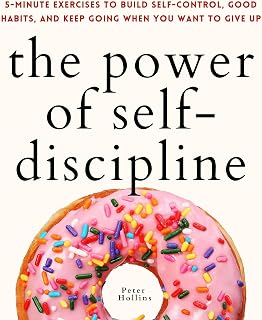
4. The Power of Self-Discipline: 5-Minute Exercises by Peter Hollins
Price: $0.00 (free with Audible trial) | Rating: 4.4/5
This book lives up to its title: it offers five‑minute exercises to build self-control. Great for parents and teachers to use as daily warm‑ups. The exercises are practical, not theoretical.
5. Discipline Equals Freedom by Jocko Willink
Price: $12.93 | Rating: 4.7/5
Jocko’s straight‑talk style is motivating for older kids (and parents). The book is a field manual with daily mantras and tactics. It reinforces that discipline leads to freedom—a message that resonates with fifth graders feeling controlled by rules.

Comparison Table: Best Self‑Discipline Books for Class 5
| Book | Price | Rating | Best For | Buy at Amazon |
|---|---|---|---|---|
| No Excuses! | $8.66 | 4.7 | Parents wanting a no‑nonsense guide | |
| Atomic Habits | $0.00 | 4.8 | Building small habits for kids and parents | |
| Make Your Bed | $6.95 | 4.7 | Teaching the power of small actions | |
| The Power of Self‑Discipline | $0.00 | 4.4 | Daily 5‑minute exercises | |
| Discipline Equals Freedom | $12.93 | 4.7 | Older kids and parents needing motivation | |
Frequently Asked Questions About Self Discipline for Class 5
What is self-discipline for a 10‑year‑old?
It’s the ability to control impulses, stay focused on tasks, and follow through on commitments—like finishing homework before playing or cleaning up without being told. It’s a skill that can be learned and strengthened through practice.
How can I teach my fifth grader self-discipline?
Start with one simple rule, use timers, and make it a game. Praise effort, not just results. Read books together and model the behavior yourself. Consistency and patience are key.
What are some fun self-discipline activities for class 5?
Try the 5‑minute challenge, sticker charts with mystery rewards, delayed gratification games, role‑play temptation scenarios, and the “finish strong” daily reflection. These make practice enjoyable.
How much homework should a 5th grader do each day?
Most experts recommend about 10 minutes per grade level, so roughly 50 minutes per night for a fifth grader. Quality matters more than quantity. Focus on focused work during that time.
Can self-discipline be taught at home?
Absolutely. Home is the best place to practice because routines are more flexible and mistakes are low‑stakes. Use the rules and activities above to create a supportive environment.
What if my child resists all discipline techniques?
Resistance is normal. Don’t force it—instead, involve the child in choosing the rules. Ask: “What do you think would help you get your homework done faster?” Let them own the solution. If struggles continue, consider underlying issues like attention challenges.
Conclusion
Self discipline for class 5 is not about turning your child into a robot. It’s about giving them the tools to take charge of their own life. When they learn to start small, follow routines, and delay gratification, they gain confidence that lasts a lifetime.
Remember: progress, not perfection. Celebrate every small victory, and keep the atmosphere positive. With easy rules, fun activities, and steady homework habits, your fifth grader will build the discipline they need to succeed in school and beyond.
Now, pick one small rule and start today. That’s self‑discipline in action.