
If you’ve ever tried to explain the idea of self‑discipline in Zulu, you know it’s not a simple one‑word swap. The concept is powerful, universal, and deeply respected in Zulu culture. But what exactly is the self discipline meaning in Zulu? How do you say it correctly, and when do you use it?
This article will answer those questions in full. You’ll get the exact translation, pronunciation guides with audio tips, real‑life conversation examples, and a look at how self‑discipline fits into the broader Zulu worldview. By the end, you’ll be able to use the term naturally and understand its cultural weight.
Table of Contents
What Is the Self Discipline Meaning in Zulu?
The most accurate self discipline meaning in Zulu is ukuzithiba (pronounced oo‑koo‑zee‑tee‑bah). It literally means “to restrain yourself” or “to control yourself.” Another common term is ukuziqeqesha (oo‑koo‑zee‑keh‑keh‑shah), which leans more toward “to train yourself” or “to discipline yourself.”
Both words capture the essence of self‑discipline – the ability to push through discomfort, resist temptation, and stick to your goals even when no one is watching. In Zulu, the idea is often tied to isizotha (dignity) and inineke (patience). A person with strong ukuzithiba is seen as mature, reliable, and worthy of respect.
Let’s break down the terms:
- Ukuzithiba: From the root ‑thiba (to stop, to hold back). So ukuzithiba is “holding yourself back” – from bad habits, impulsive decisions, or laziness.
- Ukuziqeqesha: From ‑qeqesha (to train, to coach). Ukuziqeqesha implies active practice and repetition, like an athlete training daily.
You can use either, depending on the context. Ukuzithiba is more about restraint, while ukuziqeqesha is about building a disciplined routine.
Cultural Context: Self‑Discipline in Zulu Traditions
In Zulu culture, self‑discipline isn’t just a personal trait – it’s a cornerstone of community life. The philosophy of ubuntu (“I am because we are”) emphasises that your actions affect everyone around you. Showing self‑discipline means you honour your family, your ancestors, and your community.
From childhood, Zulu children are taught ukuzithiba through hlonipha (respect) practices. You learn to control your tongue, your emotions, and your desires. This upbringing creates adults who can handle hardship without complaint – a quality prized in both traditional and modern settings.
So when you ask self discipline meaning in Zulu, you’re not just learning a word. You’re connecting with a value system that has shaped millions of lives for centuries.
Pronunciation Tips for Self Discipline Meaning in Zulu
Getting the pronunciation right shows respect for the language. Here’s how to say ukuzithiba and ukuziqeqesha like a local.
Ukuzithiba
- Break it down: u‑ku‑zi‑thi‑ba (five syllables).
- Stress: The emphasis falls on the second‑to‑last syllable: thi.
- Vowel sounds:
- u as in “boot” (short).
- i as in “see” (short).
- a as in “father” (short).
- Consonants: The th is an aspirated “t”, like in “top” (not like “the”). The b is soft, almost like a “p”.
- Tone: Zulu is a tonal language, but for beginners, keep your voice even. Natives will understand.
Phonetic spelling: oo‑koo‑zee‑TEE‑bah
Ukuziqeqesha
- Syllables: u‑ku‑zi‑qe‑qe‑sha (six syllables).
- Stress: On qe (the first of the two q’s).
- The click: q is a dental click – like the sound of a cork popping. Place the tip of your tongue behind your front teeth and pull it down sharply. This takes practice. Listen to a native speaker if you can.
- Vowels: Same as above.
- Note: Many Zulu speakers simplify ukuziqeqesha in casual speech, saying “ukuzeqeza” without the full click. That’s fine for beginners.
Phonetic spelling: oo‑koo‑zee‑KEH‑keh‑shah (click on the first “k” sound).
Common Mistake to Avoid
English speakers often pronounce the th in ukuzithiba as in “the.” That changes the meaning. Always use a hard, aspirated “t.” Practice saying “tea” with extra puff of air, then add the “ba.”
Using Self Discipline Meaning in Zulu in Everyday Conversations
Knowing the translation is one thing. Using it naturally is another. Here are real‑life examples of how to talk about self‑discipline in Zulu.
-
Asking about someone’s discipline
Ubani onokuzithiba? – “Who has self‑discipline?”
Ungumuntu onokuzithiba kakhulu. – “He/she is a person with great self‑discipline.” -
Encouraging a friend
Kufanele uziqeqeshe njalo. – “You should train/discipline yourself every day.”
Ukuzithiba kuyisihluthulelo sempumelelo. – “Self‑discipline is the key to success.” -
Talking about your own struggle
Ngiyazama ukuzithiba kodwa kunzima. – “I try to have self‑discipline but it’s difficult.”
Ngicela ukuziqeqesha ekuseni. – “I want to discipline myself in the morning.” -
In a motivational context
Ngaphandle kokuzithiba, ngeke ufeze izinhloso zakho. – “Without self‑discipline, you won’t achieve your goals.”
Isizotha sakho siyakhula ngenxa yokuzithiba. – “Your dignity grows because of self‑discipline.”
Notice how isizotha (dignity) often appears alongside these terms. In Zulu, self‑discipline and dignity are intertwined.
Why Understanding Self Discipline Meaning in Zulu Matters
You might be learning Zulu for travel, business, or personal growth. Or you might simply be curious about how different cultures express this universal trait. Either way, grasping the self discipline meaning in Zulu gives you:
- Deeper cultural insight: You’ll understand why Zulu communities value restraint and training over impulsive freedom.
- Better communication: If you speak to Zulu‑speaking colleagues or friends, using ukuzithiba correctly earns you credibility.
- Personal reflection: The Zulu perspective reminds us that discipline isn’t just about willpower – it’s about honour and connection.
Plus, it’s a beautiful language. Mastering even one term opens the door to more.
Related Zulu Concepts to Self‑Discipline
To fully appreciate the self discipline meaning in Zulu, it helps to know a few related words. They form a family of ideas around control, respect, and character.
| Zulu Term | English Meaning | Connection to Self‑Discipline |
|---|---|---|
| Isizotha | Dignity, self‑respect | You earn isizotha through ukuzithiba. |
| Isineke | Patience, endurance | Self‑discipline requires isineke to keep going. |
| Ubuntu | Humanity, interconnectedness | Your discipline helps the group, not just yourself. |
| Inhlonipho | Respect | Ukuzithiba is an act of inhlonipho toward elders and community. |
| Ukuphikelela | Persistence, perseverance | Related to ukuziqeqesha – training yourself to persist. |
Use these together in conversation: “Uma unesineke nokuzithiba, uzokhula ngesizotha.” – “If you have patience and self‑discipline, you will grow with dignity.”
How to Build Self‑Discipline: Practical Tips and Resources
Now that you know the self discipline meaning in Zulu, let’s turn inward. How do you strengthen this quality in your own life? The same principles apply whether you speak Zulu or English.
Here are five action‑orientated steps:
- Start small. Pick one habit – waking up early, reading for ten minutes, or saying no to scrolling. Master it before adding another.
- Create a routine. Ukuziqeqesha means training every day. Set specific times for your discipline practice.
- Remove temptation. Ukuzithiba is easier when you don’t have to fight distractions. Keep your phone away, clear your workspace.
- Track your progress. Use a journal or app. Seeing streaks builds motivation.
- Find accountability. Share your goal with a friend who speaks Zulu: “Ngifuna ukuzithiba. Ngicela ungikhumbuze.” (“I want self‑discipline. Please remind me.”)
Recommended Books on Self‑Discipline
The world’s top thinkers have written extensively on this topic. These books align perfectly with the Zulu value of training yourself and holding back from what doesn’t serve you. They’re also available on Amazon with great ratings.

No Excuses!: The Power of Self‑Discipline by Brian Tracy – $8.66, ⭐4.7. A classic that gives practical, no‑nonsense strategies.
Buy on Amazon

Atomic Habits by James Clear – $0.00 (audible), ⭐4.8. Focuses on tiny changes that lead to remarkable results.
Buy on Amazon

Discipline Equals Freedom: Field Manual by Jocko Willink – $12.93, ⭐4.7. A no‑excuses, military‑style guide to owning your life.
Buy on Amazon
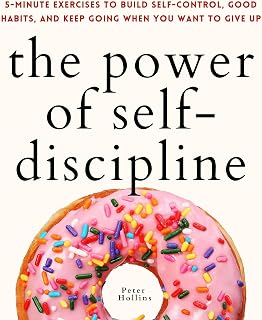
The Power of Self‑Discipline: 5‑Minute Exercises – $0.00 (audible), ⭐4.4. Quick daily exercises to build control.
Buy on Amazon
Comparison Table: Top Self‑Discipline Books
| Product | Price | Rating | Key Focus | Buy Link |
|---|---|---|---|---|
|
$8.66 | 4.7 | Practical strategies for work and life | Buy at Amazon |
|
$0.00* | 4.8 | Habit formation & small changes | Buy at Amazon |
|
$12.93 | 4.7 | Mental toughness & warrior mindset | Buy at Amazon |
|
$0.00* | 4.4 | 5‑minute daily exercises | Buy at Amazon |
Prices marked $0.00 are for Audible audiobooks (free with trial). Check current prices.
Each of these books can help you live out the self discipline meaning in Zulu – training yourself daily and holding yourself to a higher standard.
Frequently Asked Questions About Self Discipline Meaning in Zulu
Here are the most common questions people ask when searching for the meaning of self‑discipline in Zulu.
What is the exact translation of self‑discipline in Zulu?
The two most used terms are ukuzithiba (self‑restraint) and ukuziqeqesha (self‑training). Both are accepted.
How do you pronounce ukuzithiba?
It’s oo‑koo‑zee‑TEE‑bah. Stress the “TEE.” The “th” is aspirated like in “top,” not “the.”
Is there a Zulu word for willpower?
Yes, amandla okuzithiba – literally “strength of self‑restraint.” Or simply ukuzithiba covers willpower too.
What role does self‑discipline play in Zulu culture?
It’s central. Zulu communities value hlonipha (respect) and isizotha (dignity), both built on self‑discipline. It’s taught from childhood.
Can I use ukuziqeqesha for training in sports?
Absolutely. Ukuziqeqesha is common for athletic training. You can say Ngiziqeqeshela umdlalo – “I am training for the game.”
What’s the difference between ukuzithiba and ukuziqeqesha?
Ukuzithiba focuses on restraint (stop yourself from bad actions), while ukuziqeqesha focuses on active training (build good habits). Many Zulu speakers use them interchangeably.
Your Next Step Towards Self‑Discipline (in Any Language)
Now you know the self discipline meaning in Zulu – ukuzithiba or ukuziqeqesha. You have the pronunciation, the cultural background, and practical examples to start using the word today.
But knowing a word isn’t the same as living it. The Zulu philosophy would say: “Umuntu ngumuntu ngabantu” – a person is a person through other people. Your discipline doesn’t only benefit you; it lifts your whole community.
So pick one small area where you want more ukuzithiba. Maybe it’s waking up earlier, eating healthier, or finishing that project. Write down “Ngiza ukuzithiba” (I will have self‑discipline) and put it somewhere you’ll see every day.
And if you need external fuel, grab a copy of Discipline Is Destiny by Ryan Holiday or The Mountain Is You by Brianna Wiest. Both will strengthen your mental resolve in ways that align with the Zulu ideal of self‑mastery.
Start today. Ukuzithiba is a journey, not a destination. And every step makes you stronger, wiser, and more respected – in any language.