
You set a goal. You feel motivated. Then life happens, you lose focus, and that goal starts gathering dust. Sound familiar? The problem isn’t your ambition. It’s your self-regulation system. Most people rely on willpower alone, and willpower runs out like a phone battery.
That’s where self-regulation Zimmerman 2000 changes everything. This landmark model from educational psychologist Barry Zimmerman offers a practical, research-backed blueprint for managing your own behavior to reach any goal. It moves beyond wishful thinking and gives you a repeatable cycle of success.
Whether you want to build better habits, crush a work project, or strengthen your self-discipline, this framework works. And in this guide, you will understand exactly how to use it.
Table of Contents
Who Is Barry Zimmerman and Why Does His 2000 Model Matter?
Barry Zimmerman is a professor of educational psychology who spent decades studying how people learn to control their own learning and behavior. His 2000 paper on self-regulation became a foundational text in psychology, education, and personal development.
The self-regulation Zimmerman 2000 model describes a cyclical process with three main phases: Forethought, Performance, and Self-Reflection. Each phase feeds into the next. You don’t just regulate your actions in the moment. You plan ahead, monitor yourself, and learn from the results to do better next time.
This is not a one-size-fits-all theory. It’s a flexible system you can adapt to fitness, work, study, or any area where self-discipline matters. And unlike many self-help approaches, it’s backed by decades of peer-reviewed research.
The Three Phases of Self-regulation Zimmerman 2000 Explained
Let’s break down each phase in plain language, with real examples you can use today.
1. Forethought Phase: Setting the Stage for Success
The forethought phase happens before you take action. Most people skip this step and jump straight into doing, which is why they burn out. This phase contains two critical sub-processes: task analysis and self-motivation beliefs.
Task analysis means breaking your goal down into specific steps. Instead of saying “I want to get fit,” you define exactly what you will do, when, and where. Example: “I will run 20 minutes every Monday, Wednesday, and Friday at 7 AM in my neighborhood park.”
Self-motivation beliefs are your inner fuel. These include:
- Self-efficacy: Your belief that you can actually do the task.
- Outcome expectations: Your belief that the task will lead to desired results.
- Intrinsic interest: How much you genuinely enjoy the activity.
- Goal orientation: Whether you aim to learn and improve or just look good.
If your self-efficacy is low, you will give up before you start. The solution is to start with tiny wins. Set a goal so easy it feels silly. Run for five minutes. Write one sentence. That builds belief.
2. Performance Phase: Executing and Monitoring
This is where the rubber meets the road. The performance phase involves two main processes: self-control and self-observation.
Self-control is about using strategies to stay on track. Examples include:
- Attention focusing: Eliminating distractions, using the Pomodoro technique.
- Task strategies: Breaking a big job into smaller chunks, using checklists.
- Self-instruction: Talking yourself through the steps out loud or in your head.
- Imagery: Visualizing yourself performing the task successfully.
Self-observation means tracking your own behavior. You can’t improve what you don’t measure. Keep a simple log of your actions. Did you do the run? Did you write for 30 minutes? Use a habit tracker app or a paper calendar. The act of recording itself reinforces the behavior.
A key idea in the self-regulation Zimmerman 2000 model is that self-observation should be regular, accurate, and timely. Don’t wait until the end of the week to check. Do it right after the action.
3. Self-Reflection Phase: Learning and Adjusting
After you act, you need to reflect. This phase has two components: self-judgment and self-reaction.
Self-judgment means evaluating your performance against your goals or standards. Ask yourself:
- Did I meet my target?
- What went well?
- What could I improve?
Self-reaction is your emotional and motivational response. If you judge yourself harshly, you may feel guilty and want to quit. But if you celebrate small wins, you build momentum.
The key is adaptive attribution. Instead of saying “I failed because I’m lazy,” say “I failed because I didn’t plan enough for distractions.” The first is a fixed label. The second points to a fixable cause. That shifts you from helplessness to growth.
This reflection feeds back into the next forethought phase, creating a positive cycle. The more you practice self-regulation, the better you get at it.
How to Apply Self-regulation Zimmerman 2000 to Your Goals
Now for the practical part. Let’s take a common goal and run it through the model.
Goal: Learn to play guitar well enough to play three songs in six months.
Forethought Application
- Task analysis: Break it down. Practice chords 15 minutes daily. Learn one new chord per week. Watch online tutorials every Sunday.
- Self-efficacy: Start with easy songs. Use a beginner-friendly app. Tell yourself that struggling is normal.
- Intrinsic interest: Choose songs you actually love. Enjoy the sound of even a simple chord.
Performance Application
- Self-control: Set a daily alarm. Put your phone in another room during practice. Use a metronome app to stay on rhythm.
- Self-observation: Keep a practice log. Mark each day you practice. Note how many chords you mastered.
Self-Reflection Application
- Self-judgment: At the end of each week, ask: Did I practice every day? Which chords are still hard? Compare to last week, not to a professional.
- Self-reaction: Reward yourself with a new pick or a listening session to your favorite band. If you missed a day, don’t punish yourself. Ask what blocked you and adjust your schedule.
This cycle repeats weekly. Over six months, those small daily actions compound into real skill.
Why Self-regulation and Self-Discipline Are Not the Same (But Work Together)
Some people confuse self-regulation with self-discipline. They are related but different.
Self-discipline is the ability to override impulses and do what needs to be done, even when you don’t feel like it. It’s a force of will.
Self-regulation is a broader skill that includes self-discipline but also adds planning, monitoring, and reflection. Self-regulation is like a navigation system. Self-discipline is the engine.
You need both. Without self-discipline, you won’t take action. Without self-regulation, you will take action in the wrong direction or waste energy.
The self-regulation Zimmerman 2000 model gives you that navigation system. It helps you use your self-discipline more efficiently.
Common Self-Regulation Pitfalls and How to Avoid Them
Even with a great model, people mess up. Here are the most common mistakes and how to fix them.
Skipping Forethought
You think “I’ll figure it out as I go.” That works for some people, but most end up drifting. Fix: Spend 10 minutes planning before any important task. Write down the steps.
Poor Self-Observation
You don’t track progress because it feels boring or judgmental. Fix: Use a simple checklist. Even a sticky note on the wall counts.
Unhelpful Self-Judgment
You compare yourself to impossibly high standards or to others. Fix: Judge your progress against your own past performance only. Celebrate the small advances.
Negative Self-Reaction
You beat yourself up for a slip, which kills motivation. Fix: Treat mistakes as data. Ask “What can I learn?” instead of “What’s wrong with me?”
Recommended Books and Resources to Deepen Your Self-Regulation Skills
If you want to take your self-regulation and self-discipline to the next level, these books are excellent companions to the Zimmerman model. Below are a few top picks, including a detailed comparison.
The Power of Self-Discipline: 5-Minute Exercises offers quick, daily drills to build self-control. Perfect for busy people who want bite-sized practice. Rated 4.4 stars.
Discipline Equals Freedom by Jocko Willink is a no-excuses, hardcore manual for building mental toughness. If you need a kick in the pants, this is it. Rated 4.7 stars.
Atomic Habits by James Clear is the ultimate guide to small changes that stick. It’s less about willpower and more about designing your environment. Rated 4.8 stars (148,000+ reviews).
No Excuses! by Brian Tracy is a classic on personal discipline. It covers areas from time management to financial success. Rated 4.7 stars.
Comparison Table: Best Self-Discipline Books
| Product | Image | Price | Rating | Key Focus | Buy at Amazon |
|---|---|---|---|---|---|
| The Power of Self-Discipline: 5-Minute Exercises | 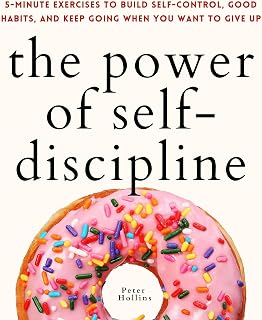 |
$0.00 (free with Kindle Unlimited) | 4.4 | Quick daily drills | Buy Now |
| Discipline Equals Freedom |  |
$12.93 | 4.7 | Military-style mindset | Buy Now |
| Atomic Habits | 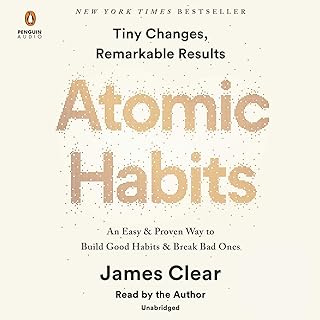 |
$0.00 (audible trial) | 4.8 | Habit system design | Buy Now |
| No Excuses! |  |
$8.66 | 4.7 | All-around discipline | Buy Now |
Each of these books can supplement the self-regulation Zimmerman 2000 model by giving you practical exercises, mindset shifts, and habit-building techniques.
Frequently Asked Questions About Self-regulation Zimmerman 2000
What is self-regulation according to Zimmerman?
Self-regulation is the ability to plan, monitor, and adjust your own behavior to achieve goals. Zimmerman’s 2000 model describes a three-phase cycle: forethought, performance, and self-reflection.
How is Zimmerman’s model different from other self-regulation theories?
Zimmerman emphasizes cyclical self-learning. You don’t just control impulses; you actively reflect and improve your strategies each cycle. It’s dynamic, not static.
Can self-regulation be taught?
Yes. Research shows that teaching self-regulation strategies improves academic and personal outcomes. You can learn to use forethought, self-observation, and reflection.
What is the most important phase in Zimmerman’s model?
All three phases matter, but forethought is often neglected. Without proper planning, the other phases flounder.
How long does it take to see improvement in self-regulation?
You can see small changes in days, but lasting improvement takes weeks of consistent practice. The cycle builds on itself, so the more you do it, the faster you get better.
What are some examples of self-regulation in everyday life?
Studying for a test without procrastination, sticking to a budget, exercising regularly, managing email overload, or learning a new language. All require forethought, execution, and reflection.
Does self-regulation require high self-discipline?
Not necessarily. Self-regulation helps you use your self-discipline more efficiently. It reduces the need for raw willpower by creating systems and habits.
Final Thoughts: Make the Cycle Your Own
The self-regulation Zimmerman 2000 model is not a magic pill. It’s a framework that requires practice. But the beauty is that it gets easier with each repetition. You plan better, execute smarter, and learn faster.
Start small. Pick one goal and run it through the three phases for one week. Use a notebook or an app to track your forethought, performance, and reflection. Notice how your self-discipline starts to feel less like a struggle and more like a natural rhythm.
Remember, the point is not perfection. It’s progress. Every cycle makes you a little more capable of reaching your next goal.
Now go ahead. Plan your next step. Execute with intention. Reflect and grow. That’s the real power of self-regulation.