
You know that feeling when your kid (or honestly, yourself) goes from zero to meltdown in three seconds flat? That’s the overwhelmed zone knocking. Self-regulation zones are the secret map to understanding your emotions and getting back to calm or ready. And the best way to teach them? Self regulation zones activities that are simple, fun, and take almost no prep.
In this guide, you’ll find games and exercises that help anyone—children, teens, even adults—learn to shift between the four zones: blue (sad/tired), green (calm/ready), yellow (frustrated/wiggly), and red (overwhelmed/angry). These activities build self-discipline by giving you tools to pause, choose, and act with intention. Let’s dive into the playbook.
Table of Contents
What Exactly Are Self-Regulation Zones?
Self-regulation zones come from the Zones of Regulation framework created by Leah Kuypers. This curriculum divides emotional states into four colored zones:
| Zone | Color | Emotional State |
|---|---|---|
| Blue | Blue | Sad, tired, bored, sick |
| Green | Green | Calm, happy, focused, ready to learn |
| Yellow | Yellow | Frustrated, anxious, excited, wiggly |
| Red | Red | Angry, terrified, yelling, out of control |
The goal isn’t to avoid yellow or red. The goal is to recognize where you are and use a tool to get back to green—your optimal learning and working zone. That’s where self regulation zones activities come in: they make this process feel like play.
Why Self-Regulation Connects Directly to Self-Discipline
Think of self-discipline as the muscle that lets you stop yourself from reacting on impulse. When you’re in the red zone, your brain’s logic center shuts down. You can’t “just be disciplined” when you’re flooded with adrenaline. You need a strategy that short-circuits the meltdown.
Self regulation zones activities train your brain to spot the warning signs early—like a yellow-zone body feeling tight or a blue-zone lack of energy. Then you apply a calming tool before you tip into red. That’s self-discipline in action: responding instead of reacting.

Start your day with a small win. Making your bed is a five-minute zone-green anchor that builds discipline and a calm mind.
The book Make Your Bed ($6.95, 4.7★) by Admiral William H. McRaven shows how tiny disciplined actions create a sense of control—a great companion to any self-regulation routine.
Self Regulation Zones Activities for Calm (Green Zone)
The green zone is your home base. These activities help you maintain it or return to it.
1. The Five Senses Check-In
Ask the person to name:
- 5 things they see
- 4 things they feel (physical)
- 3 things they hear
- 2 things they smell
- 1 thing they taste
This game takes 60 seconds and works because it forces your brain to switch from emotional processing to sensory processing. Perfect for before a test, a tough conversation, or bedtime.
2. Belly Breathing with a Stuffy
Lie down and place a small stuffed animal on your belly. Breathe in so the toy rises, breathe out so it falls. Kids love racing the toy up and down. It’s a gentle way to drop into green after yellow or red.
3. Mindful Coloring
Print a mandala or a simple picture. Color slowly, focusing on staying inside the lines. The repetitive motion soothes the nervous system and builds focus—a core self-discipline skill.
Self Regulation Zones Activities for Ready (Maintaining Green)
The ready zone is the ideal state for learning, working, and connecting. These activities prime your brain to stay there.
4. The “Ready Body” Yoga Sequence
A four-pose sequence:
- Mountain pose (stand tall)
- Forward fold (breathe out)
- Upward dog (open chest)
- Child’s pose (rest)
Each pose takes 30 seconds. It resets your posture and oxygenates your brain. Do this before homework, a meeting, or any task requiring concentration.
5. Body Scan Bingo
Create a bingo card with physical sensations: “tight shoulders,” “cold hands,” “fast heartbeat.” Play the bingo game by scanning your body and marking off what you notice. This builds interoception—the ability to sense internal body signals—which is the foundation of emotional regulation.
6. Gratitude Sticks
Write one thing you’re grateful for on a popsicle stick. Drop it in a jar. When you feel your mood slipping into yellow or blue, pull a stick and read it. Gratitude shifts your brain’s chemistry towards calm and readiness.
Self Regulation Zones Activities for Overwhelmed (Red Zone)
When you or your child is in the red zone, logic is offline. You need sensory-based resets that work with the body, not against it.
7. The Volcano Breath
Clench your fists tight, squeeze your whole body, hold for 5 seconds, then explode open with a loud “haaaa” sound. Repeat three times. This mimics the natural stress release animals do after a threat passes. It’s hilarious and effective.
8. Ice Cube Squeeze
Hold an ice cube in one hand and squeeze it as hard as you can. The cold shock distracts your brain from the emotional flooding. Count to 10, then drop the ice in a sink. This is a classic calm down strategy for meltdowns.
9. Pressure Point Push
Press firmly on the fleshy part between your thumb and index finger (the Hegu point). Hold for 30 seconds while breathing slowly. This acupressure technique lowers heart rate and activates the parasympathetic nervous system.
Low-Prep Games for Practicing Zone Shifts
These self regulation zones activities require zero supplies and take under five minutes.
Red Light, Green Light – Zones Edition
Shout a zone color. Players must show what that zone looks like with their body and face. For “red,” they stomp and frown. For “green,” they stand still and smile. This teaches recognition through movement.
Zones Simon Says
Simon says only green-zone actions: “Simon says take a deep breath,” “Simon says sit tall.” If Simon says a red-zone action like “scream,” don’t do it. This game builds impulse control—a direct self-discipline practice.
Emotion Charades
Act out an emotion without words. Others guess the zone. This builds vocabulary and empathy, and helps kids see that everyone cycles through zones.
The Breathing Dice
Roll a die. Each number matches a breathing pattern:
1 – In for 4, out for 4
2 – In for 4, hold 4, out for 4
3 – In for 4, hold 4, out for 6
4 – “Bunny breaths” (three short sniffs, one long exhale)
5 – “Bubble breath” (blow a pretend bubble slowly)
6 – “Lion breath” (stick out tongue, exhale with a roar)
Roll and breathe for 3 rounds. It’s like a game of chance that trains your brain to reset.
Recommended Books to Deepen Self-Regulation and Self-Discipline
Pair these activities with reading that reinforces the concepts. Here are top picks from the self-discipline field, each linked for easy purchase.

Jocko Willink’s Discipline Equals Freedom ($12.93, 4.7★) is a no-fluff field manual. It pairs perfectly with zone activities because it teaches you to take control of your own mind and body.
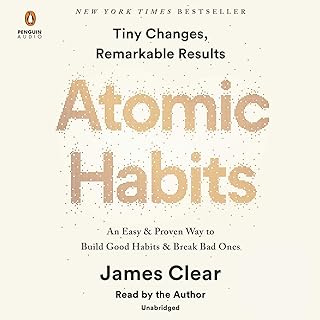
James Clear’s Atomic Habits (free with Audible trial, 4.8★) breaks down how small changes create big results. Use the “habit stacking” method to anchor your regulation exercises into daily routines.

Brian Tracy’s No Excuses! ($8.66, 4.7★) gives you 21 ways to strengthen self-discipline. For teens and adults, it’s a motivating read that explains why you feel overwhelmed and how to push through.

Brianna Wiest’s The Mountain Is You (free with Audible trial, 4.7★) explores why we sabotage ourselves. It’s an excellent deep-dive into red-zone triggers and how to climb out.
Comparison Table: Top Books for Self-Discipline & Self-Regulation
| Product | Price | Rating | Key Focus | Buy at Amazon |
|---|---|---|---|---|
|
$12.93 | 4.7★ | Military-style mindset, daily action | Buy Now |
|
$0.00* | 4.8★ | Small habits, system building | Buy Now |
|
$8.66 | 4.7★ | 21 strategies for discipline | Buy Now |
|
$0.00* | 4.7★ | Self-sabotage, emotional mastery | Buy Now |
|
$6.95 | 4.7★ | Discipline through small wins | Buy Now |
Free with Audible trial. Prices may vary.
Ratings as of article date.
How to Make These Activities Stick
Self regulation zones activities work best when you practice them in the green zone—before you need them. That’s the whole point of self-discipline: you train the muscle when it’s easy, so it’s there when emotions run high.
- Pick 3 activities that feel most natural to you or your child.
- Create a visual menu – draw icons for each zone and place them on the fridge.
- Schedule practice – do one zone activity each morning for two weeks.
- Model it – when you feel yellow, say “I’m feeling wiggly, so I’m going to do volcano breath.” Kids learn more from what you do than what you say.
Frequently Asked Questions About Self-Regulation Zones Activities
How do self regulation zones activities help with self-discipline?
Self-discipline requires pausing before reacting. Zone activities teach you to recognize your emotional state and apply a tool. Each time you do that, you strengthen your prefrontal cortex—the part of the brain in charge of impulse control. Over months, the pause becomes automatic.
What age is best for these activities?
The zones framework works from preschool through adulthood. Younger kids (3–7) need more sensory activities like ice squeeze or stuffed-animal breathing. Older kids and teens can handle the five senses check-in, gratitude sticks, and the breathing dice. Adults benefit from the same exercises, especially the five senses and body scan.
How long do these games take?
Most are 1–3 minutes. The yoga sequence is 2 minutes. The body scan bingo takes 5–8 minutes. You can fit them into transitions: before school, after dinner, or during a work break.
Can I use these activities for a whole classroom?
Absolutely. Teachers use zones check-ins at the start of each day. The red light/green light game works well in PE or brain breaks. For kindergarten through grade 5, the breathing dice is a hit. For middle school and up, the gratitude sticks and emotion charades help build a supportive culture.
What if someone refuses to do the activity?
Don’t force it. Offer a choice between two activities: “Do you want to do volcano breath or hold an ice cube?” Choice restores a sense of control. If they still refuse, model the activity yourself. Often they’ll join when they see it’s safe and silly.
Is this related to cognitive behavioral therapy (CBT)?
Yes. The zones framework shares principles with CBT and dialectical behavior therapy (DBT). The emotional regulation strategies taught in DBT—like opposite action and sensory grounding—are mirrored in these games. These activities are not a replacement for therapy, but they are powerful preventative tools.
Your Next Step: Play One Game Today
You don’t need a laminator, a printout, or an hour of free time. Self regulation zones activities are designed to be low-prep zero-fuss. Choose one from the calm list, one for ready, and one for overwhelmed. Practice them for five days. Notice how your own reactions shift.
The more you practice moving between zones, the more self-discipline grows. It’s not about never feeling angry or anxious. It’s about knowing exactly what to do when you do.
Now go blow some imaginary bubbles. Your green zone is waiting.