
Have you ever wondered why some people seem to achieve their goals almost effortlessly while others struggle? The secret isn’t sheer willpower or luck. It’s a structured, research-backed process called self-regulation Zimmerman 2002. This model, developed by educational psychologist Barry Zimmerman, breaks down self-discipline into a simple, repeatable cycle: plan, monitor, and improve. And the best part? Anyone can learn it.
Self-regulation is the engine behind lasting self-discipline. Without it, motivation fizzles out. With it, you build momentum, recover from setbacks, and keep moving toward what matters most. In this article, we’ll unpack the Zimmerman model layer by layer, give you real-world examples, and show you exactly how to apply it today.

Table of Contents
What Is Self-Regulation Zimmerman 2002?
At its core, self-regulation Zimmerman 2002 is a cyclical model of how people control their own learning and behavior. Zimmerman argued that self-regulation isn’t a fixed trait. It’s a skill you can develop through practice. The model has three main phases: forethought, performance, and self-reflection.
Imagine you’re training for a marathon. Forethought is your race plan and your belief that you can finish. Performance is the actual running and tracking your pace. Self-reflection is reviewing your splits after the run and deciding what to do differently next time. You then feed that learning back into the next forethought phase.
This cycle applies to everything: studying for an exam, building a business, getting fit, or even keeping your inbox under control. It’s the science behind self-discipline that sticks.
The Three Phases of the Self-Regulation Cycle
Let’s dive deep into each phase. We’ll cover what happens, why it matters, and how you can use it to strengthen your own self-discipline.
Phase 1: Forethought – The Plan
Forethought happens before you take any action. It’s where you set goals, choose strategies, and build the mindset you need to start. Zimmerman divided forethought into two parts: task analysis and self-motivation beliefs.
Task analysis means breaking down what you need to do into clear, manageable steps. Instead of “I’ll work harder,” you set a specific goal: “I will write 500 words every morning before breakfast.” You also pick strategies that fit the task – maybe using a timer, blocking distractions, or creating a checklist.
Self-motivation beliefs are your inner fuel. They include self-efficacy (I believe I can do this), outcome expectations (this will lead to a result I want), intrinsic interest (I actually enjoy parts of the process), and goal orientation (I’m focused on learning, not just looking good).
A common mistake here is skipping forethought entirely. Many people jump straight into action, hoping motivation will kick in. But without a plan, your self-discipline runs on empty. Zimmerman showed that high self-regulators spend more time planning, and that pays off in consistent performance.
Phase 2: Performance – The Monitor
Performance is where the actual work happens. But it’s not just doing the task. It’s doing it while observing yourself. Zimmerman identified two key processes: self-control and self-observation.
Self-control includes using strategies you planned – breaking tasks into chunks, using self-instructions (talking yourself through a step), focusing attention, and managing your time. It’s the “do” part of the cycle.
Self-observation means tracking your behavior. You might keep a log, use a habit tracker, or simply ask yourself, “Am I on task right now?” This is critical for self-discipline because awareness stops drift. If you don’t watch what you’re doing, you might spend an hour scrolling without noticing.
One practical method is “think-aloud” – narrating your actions as you work. “Now I’m opening the document. Now I’m writing the first paragraph.” It sounds odd, but it keeps your mind engaged.
Phase 3: Self-Reflection – The Improve
After you finish a task (or a segment of it), you reflect. This phase decides whether you improve or repeat the same mistakes. Self-reflection includes self-judgment and self-reaction.
Self-judgment involves evaluating your performance against your goals. Did you hit the target? If not, why? You also make causal attributions – you decide why you succeeded or failed. High self-regulators attribute failures to controllable factors like effort or strategy, not to fixed traits like “I’m just not good at this.”
Self-reaction is how you feel about the result. Satisfaction fuels motivation to continue. Dissatisfaction can either spur improvement or kill your drive, depending on how you interpret it. The key is to use disappointment as data, not as a verdict on your worth.
The output of self-reflection feeds back into forethought for the next cycle. That’s why it’s called self-regulation – you regulate yourself through a loop of planning, monitoring, and adjusting.
How to Apply the Self-Regulation Zimmerman 2002 Model to Build Self-Discipline
You don’t need a lab coat to use this model. Here’s a step-by-step guide you can start today.
- Start with a specific, measurable goal. “Get fit” is too vague. “Run for 20 minutes at 6am three times a week” is a forethought win. Write it down.
- Choose one or two strategies. If your goal is focused work, try the Pomodoro Technique. If it’s learning a skill, use deliberate practice. Don’t overcomplicate – pick something simple.
- Boost your self-efficacy. Remind yourself of past wins. Read stories of people who overcame similar challenges. A quick confidence boost before you start matters.
- Set up a simple monitoring system. Use a notebook, a spreadsheet, or an app like Habitica. Every time you work, note what you did and how you felt. This is your performance phase.
- Schedule a reflection time. Every evening or every Sunday, spend five minutes asking: What worked? What didn’t? What will I change next time? Write it down.
- Adjust your forethought based on reflection. If you noticed you keep checking your phone during work, your new plan might include putting it in another room.
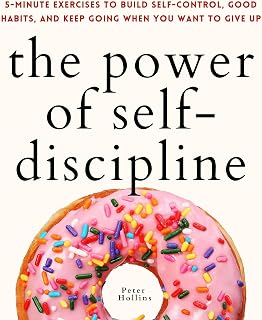
This book by Peter Hollins offers quick, actionable exercises that fit right into Zimmerman’s performance phase. Use it to strengthen your ability to monitor and control your actions.
Real-Life Examples of the Zimmerman Cycle in Action
Example 1: Learning to code
- Forethought: Set goal to complete one module of an online course each week. Choose strategy: blocked out two hours on Saturday morning. Tell yourself, “I’ve learned difficult things before.”
- Performance: While coding, keep a tab open to note confusing concepts. Use self-instruction: “First I need to declare the variable, then assign the value.”
- Self-reflection: After module, review notes. Did you rush? Did you skip exercises? Decide to spend an extra 15 minutes on practice problems next time.
- Next cycle: Update goal to complete module plus do one extra project.
Example 2: Sticking to a budget
- Forethought: Goal: save $200 this month. Strategy: use envelope system for groceries and dining out. Remind yourself of your financial freedom vision.
- Performance: At each purchase, check the envelope balance. If you’re tempted to break the rule, say aloud: “I’m sticking to the plan.”
- Self-reflection: At month end, review actual spending vs. plan. Notice you overspent on coffee. Attribute it to not having a coffee line item. Decide to allocate $30 for coffee next month.
- Next cycle: Adjust your budget categories and continue.
Common Mistakes in Self-Regulation and How to Avoid Them
Even with the best model, people stumble. Here are three pitfalls and fixes.
- Overplanning and underacting. You spend hours designing the perfect system but never start. Fix: Set a timer for ten minutes to plan, then start immediately. Imperfect action beats perfect planning.
- Monitoring without reflection. You track your habits but never review the data. Fix: Add a five-minute review to your evening routine. Ask “What did I learn today?” before you close your notebook.
- Harsh self-judgment. You fail once and label yourself undisciplined. Fix: Use attributional retraining. Blame the strategy, not your character. Say “That approach didn’t work; let me try a different one.”
Recommended Resources for Deeper Learning
Ready to go deeper? Here are highly rated books that align with each phase of the Zimmerman model. Whether you need better planning tools, sharper monitoring habits, or stronger reflection skills, one of these will help.
| Product | Price | Rating | Best For | Buy at Amazon |
|---|---|---|---|---|
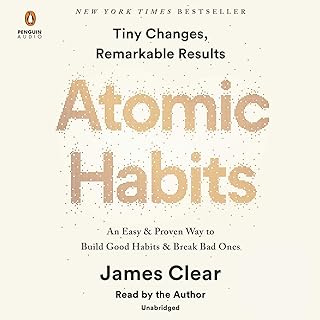 |
$0.00 (audiobook) | 4.8 | Building small, repeatable habits (performance phase) | Buy Now |
 |
$12.93 | 4.7 | Mindset and tactical self-discipline (forethought + performance) | Buy Now |
 |
$0.00 (audiobook) | 4.7 | Purpose-driven self-regulation (all phases) | Buy Now |
Each of these books provides practical techniques that map directly to Zimmerman’s cycle. Atomic Habits, for instance, helps you design cues and rewards that make monitoring effortless. Discipline Equals Freedom gives you the kick-in-the-pants motivation you need for the forethought phase. And Mindful Self-Discipline ties everything together with reflection and purpose.
Frequently Asked Questions about Self-Regulation Zimmerman 2002
What is the main idea of self-regulation Zimmerman 2002?
The core idea is that self-regulation is a proactive, cyclical process. Instead of reacting to problems, you plan ahead, monitor your progress, and adjust based on feedback. It’s not about willpower alone – it’s about using strategies intentionally.
How is self-regulation different from self-discipline?
Self-discipline is the ability to stick to a course of action despite temptations. Self-regulation is the broader system that includes planning, monitoring, and reflection. Discipline is a component of self-regulation, but self-regulation also involves setting goals, choosing strategies, and learning from outcomes.
Can self-regulation be taught?
Yes. Zimmerman’s research shows that students and adults can learn self-regulation skills through modeling, practice, and feedback. Even if you struggle with self-discipline now, you can improve by following the cycle step by step.
What are the three phases of self-regulation according to Zimmerman?
The three phases are forethought (planning and motivation), performance (execution and self-monitoring), and self-reflection (evaluation and adjustment). They loop continuously.
How long does it take to master self-regulation?
There’s no fixed timeline. Most people see noticeable improvements in a few weeks of consistent practice. The key is to keep looping the cycle – plan, do, reflect, adjust. Each iteration makes you more effective.
What are some simple self-regulation exercises?
- Daily planning: Write three tasks and your strategy for each.
- Pomodoro work: Work 25 minutes, then review your focus for 2 minutes.
- Evening reflection: Answer “What worked? What didn’t? What will I change?”
- Think-aloud: While working, verbalize each step you take.
Where can I find more information on Zimmerman’s model?
Academic journals and textbooks on educational psychology cover it in depth. For a practical application, start with the resources listed above. You can also search for “self-regulated learning strategies” online.
Does self-regulation apply to group projects?
Absolutely. Teams can use the same cycle: set shared goals (forethought), monitor progress together (performance), and hold after-action reviews (self-reflection). It improves collaboration and accountability.
Your Next Step: Start the Cycle Today
You now have the complete playbook for self-regulation Zimmerman 2002. The model is simple, evidence-based, and remarkably effective. The hardest part isn’t understanding it – it’s starting the very first loop.
Pick one small goal. Write it down. Choose a strategy. Do the work while watching yourself. Then take two minutes to reflect. That’s it. That’s the cycle.
Self-discipline isn’t a magic trait you’re born with. It’s a skill you build by planning, monitoring, and improving. And with Zimmerman’s model, you have a clear map.
Now go make your first plan. The next version of you is waiting.