
You know that feeling when your alarm goes off at 5:30 AM and your brain screams, “Five more minutes”? Or when you sit down to work but suddenly find yourself deep in a YouTube rabbit hole? That’s your emotional state hijacking your goals. The self regulation zone chart is a simple but powerful tool that helps you spot exactly where your energy, focus, and emotions are in any given moment — and more importantly, what to do about it.
This isn’t some abstract theory. The self regulation zone chart was originally developed by Leah Kuypers as part of the Zones of Regulation curriculum for kids, but adults can (and should) use it too. When you map your internal states onto four colored zones — blue, green, yellow, and red — you get a crystal-clear picture of your readiness for discipline. No more wondering why you can’t focus. No more guilt over procrastination. Just a practical system to bring yourself back to the zone where self-discipline thrives.
In this deep-dive guide, you’ll learn exactly what a self regulation zone chart looks like, why it’s the missing piece in your self-discipline toolkit, and a step-by-step method to use it every day. We’ll also share powerful resources — including books like Atomic Habits and The Power of Self-Discipline — to help you cement these skills.
Table of Contents
What Exactly Is a Self Regulation Zone Chart?
A self regulation zone chart divides your emotional and physical states into four color-coded zones. Each zone represents a level of alertness and emotional control. The goal isn’t to stay in one zone all day — that’s impossible. The goal is to recognize which zone you’re in, understand why, and know what tools move you into the green zone (the calm, focused, ready-to-act state).
Here are the four zones at a glance:
| Zone | State | Example |
|---|---|---|
| Blue | Low energy, sad, tired, bored | Waking up groggy after a bad night’s sleep |
| Green | Calm, focused, happy, ready to learn | In the flow while working on a meaningful project |
| Yellow | Elevated emotions: anxious, frustrated, excited | Right before a big presentation or during an argument |
| Red | Extreme emotions: angry, terrified, out of control | A full-blown panic attack or explosive anger |
The green zone is your sweet spot for self-discipline. When you’re green, your prefrontal cortex — the part of your brain responsible for willpower, planning, and impulse control — is fully online. You make better decisions, resist temptation, and stick to your commitments.
But here’s what most people miss: you can’t brute-force your way into the green zone. If you’re blue (exhausted) or yellow (anxious), telling yourself to “just be disciplined” rarely works. That’s where the self regulation zone chart becomes your secret weapon.
Why the Self Regulation Zone Chart Is Essential for Building Self-discipline
Self-discipline isn’t about being a robot. It’s about working with your brain, not against it. When you understand the zones, you stop blaming yourself for low willpower and start troubleshooting the real problem.
Think of it like driving a car. If your car is in neutral (blue zone) or racing in fifth gear with the brakes on (yellow zone), you’re not going anywhere smooth. The self regulation zone chart gives you a dashboard. You check your gauges, see where you are, and take the right action to shift gears.
This approach aligns with the latest science on self-regulation. Neuroscientist Dr. Daniel Siegel calls it “name it to tame it.” Simply labeling your emotional state lowers its intensity and reactivates your thinking brain. That’s why the self regulation zone chart works: it forces you to pause, label, and choose.
Now let’s walk through a step-by-step system to use the chart in your daily life — starting today.
Step 1: Create Your Personal Self Regulation Zone Chart
You don’t need fancy software. A piece of paper, a whiteboard, or a note on your phone works fine. Draw four horizontal boxes, each with a zone color. Next to each color, list what you personally feel and do in that zone.
Be honest. For example:
- Blue zone: “I feel tired, unmotivated, and my eyes are heavy. I tend to scroll social media or put off tasks.”
- Green zone: “I feel clear, calm, and in control. I stick to my morning routine and get my most important work done.”
- Yellow zone: “I’m restless, annoyed by small things, and keep checking my phone. I often start tasks but don’t finish them.”
- Red zone: “I’m overwhelmed, snapping at people, or shutting down completely. I can’t think straight.”
Make this personal. The more specific your descriptions, the faster you’ll recognize your zones in real time.
Here’s a sample chart layout:
| Zone | My Feelings | My Behaviors |
|---|---|---|
| 🔵 Blue | Sleepy, sluggish, lonely | Scrolling, procrastinating, overeating snacks |
| 🟢 Green | Focused, optimistic, energetic | Exercise, deep work, cooking healthy meals |
| 🟡 Yellow | Restless, annoyed, excited | Binge-watching, interrupting others, rushing |
| 🔴 Red | Angry, terrified, frantic | Yelling, crying, quitting tasks |
Once you have your chart, place it somewhere visible. Your bathroom mirror, your desk, or as your phone wallpaper. The key is to see it multiple times a day so zone-checking becomes automatic.
Step 2: Do a Zone Check Throughout the Day
Set a timer for every 60–90 minutes. When it goes off, take 10 seconds to ask yourself: What zone am I in right now? Look at your chart and pick one.
Don’t judge the answer. Just notice. The purpose is awareness, not self-criticism.
You can also do this before any important decision or task. Before you start your deep work session, pause. Before you reply to an emotional email, pause. Before you choose between a workout and the couch, pause.
This tiny habit is the foundation of self-discipline. It’s the moment between stimulus and response where your freedom lives.
Research shows that just three seconds of delay can double your odds of making a better choice. The zone check gives you those three seconds multiplied.
Step 3: Use Zone-Specific Strategies to Get Back to Green
This is where the magic happens. If you’re in the green zone, great — keep doing what you’re doing. But if you’re blue, yellow, or red, don’t just push through. Use targeted strategies to regulate your state.
If You’re in the Blue Zone
You need an energy boost, but not from caffeine alone. Your nervous system needs activation.
- Move your body. Do 10 jumping jacks, a quick walk, or some stretches. Movement increases blood flow and wakes up your brain.
- Cold exposure. Splash cold water on your face or take a 30-second cold shower. It triggers the mammalian dive reflex and jolts your alertness.
- Listen to upbeat music or a high-energy podcast. Sound can shift your state fast.
- Change your environment. Move to a different room or go outside. New surroundings break the sleepy rut.
- Get morning sunlight. If this is a morning problem, 10 minutes of sunlight (no sunglasses) sets your circadian rhythm for the day.
If You’re in the Yellow Zone
You’re overstimulated. Your sympathetic nervous system is revved up. You need to calm down, not amp up.
- Breathe slowly. Inhale for 4 counts, hold for 4, exhale for 6. Repeat 5 times. This activates the vagus nerve and lowers your heart rate.
- Write down what’s bothering you. Get it out of your head and onto paper. Often the anxiety shrinks once it’s externalized.
- Take a sensory break. Close your eyes, put in noise-canceling headphones, or step into a quiet space for 5 minutes.
- Do a repetitive, low-demand task. Fold laundry, wash dishes, or organize your desk. The rhythm soothes your brain.
- Use the 5-4-3-2-1 grounding technique. Name 5 things you see, 4 you can touch, 3 you hear, 2 you smell, 1 you taste. Pulls you back to the present.
If You’re in the Red Zone
You’re flooded. Your thinking brain has gone offline. Trying to be disciplined in this zone is like trying to negotiate with a tiger. Your only job is to de-escalate.
- Remove yourself from the trigger. Step away from the situation. Go to a bathroom, go outside, or even just turn your back.
- Use intense physical activity to burn off the adrenaline. Sprint up stairs, do pushups, or punch a pillow. Let the energy out safely.
- Do a hard reset: cold water on your face or wrists. This triggers the dive reflex and forces your system to slow down.
- Say out loud: “I am in the red zone. I need time to calm down.” Naming it helps your brain begin to re-engage.
- Wait at least 20 minutes before making any decision. It takes that long for cortisol levels to drop significantly. Do not text, email, or spend money in the red zone.
Once you’re back to yellow or green, you can address the original issue with your full brainpower.
Step 4: Build Your Personal Regulation Toolkit
Self-discipline isn’t about white-knuckling. It’s about having a menu of strategies that work for you. Over the next week, experiment with different tools for each zone. Then create a go-to list.
Here’s an example toolkit:
Blue Zone Toolkit
- 5-minute walk around the block
- Listen to No Excuses! by Brian Tracy (available on Amazon) for a motivational boost
- 5 minutes of journaling about what I want to accomplish
Yellow Zone Toolkit
- 4-7-8 breathing (inhale 4, hold 7, exhale 8) — 3 rounds
- Tidy my desk for 2 minutes
- Read a chapter from The Power of Self-Discipline: 5-Minute Exercises (Amazon)
Red Zone Toolkit
- Leave the room immediately
- Cold water on face
- Call a trusted friend (not to vent, just to shift state)
- Listen to The Mountain Is You audiobook (free on Amazon for subscribers)
The more you practice, the faster your brain will default to these strategies instead of reacting on autopilot.
Step 5: Track Your Zones and Self-Discipline Progress
Use a simple notebook or a digital tracker. Each day, note which zones you passed through and how you handled them. Look for patterns.
- Are you blue most mornings because you’re sleep-deprived?
- Do you hit yellow every afternoon after lunch?
- Do certain people or tasks consistently send you into red?
The self regulation zone chart becomes a feedback loop. Once you see the patterns, you can adjust your environment, schedule, and habits to spend more time in green.
For example, if you notice you’re always yellow after checking email, stop checking email first thing. If your 3 PM slump is predictable, schedule a 15-minute movement break at 2:45. Self-discipline turns into self-design.
Top Books to Deepen Your Self-Discipline Practice
To support your journey, here are some of the best resources on self-discipline. Each one aligns with the zone-based approach. Click the images below to check them out on Amazon.

Atomic Habits by James Clear – Rating: 4.8. The gold standard for building systems that make self-discipline automatic.

Discipline Equals Freedom by Jocko Willink – Rating: 4.7. A no-excuses field manual for mental toughness.
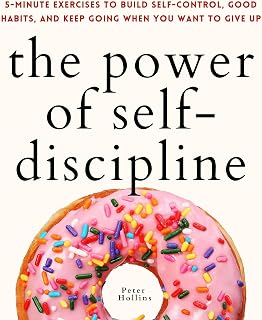
The Power of Self-Discipline: 5-Minute Exercises – Rating: 4.4. Quick, actionable drills to strengthen your willpower.

Mindful Self-Discipline – Rating: 4.7. Combines mindfulness with goal achievement — perfect for zone regulation.

The Mountain Is You – Rating: 4.7. Helps you understand and overcome self-sabotage patterns.
Quick Comparison Table of Top Self-Discipline Books
| Product | Price | Rating | Image | Buy at Amazon |
|---|---|---|---|---|
| Atomic Habits | $0.00 (audiobook) | 4.8 | |
View |
| Discipline Equals Freedom | $12.93 | 4.7 | |
View |
| The Power of Self-Discipline | $0.00 (audiobook) | 4.4 | |
View |
| Mindful Self-Discipline | $0.00 (audiobook) | 4.7 | |
View |
| The Mountain Is You | $0.00 (audiobook) | 4.7 | |
View |
Each of these books reinforces the idea that self-discipline is a skill, not a trait. And like any skill, you can improve it with the right tools — starting with the self regulation zone chart.
Common Pitfalls (and How to Avoid Them)
Even with a great system, you might stumble. Here are mistakes people make when using the self regulation zone chart for self-discipline:
1. Treating the Chart as a Label for Your Identity
You are not a “blue zone person” or a “yellow zone person.” Zones are states, not traits. You can be blue at 7 AM and green at 10 AM. Don’t get attached to a zone.
2. Skipping the Strategy Step
Recognition without action is just self-awareness with a side of frustration. Always pair a zone check with a targeted strategy. If you’re blue, act. If you’re yellow, act. Don’t just notice and shrug.
3. Trying to Jump from Red Directly to Green
When you’re in red, your brain is in survival mode. Aim first for yellow, then green. Forcing calm too quickly can backfire. Give yourself a gradual ramp.
4. Overcomplicating the Chart
You don’t need 20 subcategories. The beauty of the self regulation zone chart is its simplicity. Four colors. Four strategies. Keep it easy enough to use under stress.
How the Self Regulation Zone Chart Fits Into Your Daily Routine
Here’s a practical schedule for integrating the chart into your life:
Morning (7 AM)
Check zone before starting your day. If blue, do a quick energizer. If yellow, start with something grounding (like a short meditation or making your bed).
Mid-Morning (10 AM)
Check zone before deep work. If not green, use a 5-minute tool to reset. For example, if you’re yellow, do a breathing exercise. Then dive in.
Lunch (12:30 PM)
Use your lunch break to regulate. Avoid eating at your desk while scrolling. That often leads to yellow or blue. Eat away from screens, and take a short walk after.
Afternoon (3 PM)
This is a common blue zone for many. Plan a movement snack: stairs, squats, or a brisk walk around the block. Pair it with a glass of cold water.
Evening (7 PM)
Check zone before any major decisions or difficult conversations. If yellow or red, postpone or use a strategy first.
Bedtime (9:30 PM)
Wind down. If you’re blue or yellow from the day, use a calming ritual: read something uplifting (like The Four Agreements by Don Miguel Ruiz, $7.05, 4.7 rating — a powerful read about self-discipline through inner freedom). Avoid screens 30 minutes before sleep.
Real-Life Example: How Sarah Used the Self Regulation Zone Chart to Build Discipline
Sarah, a marketing manager, struggled with procrastination. She wanted to write 500 words a day for her side blog but rarely did. After learning about the self regulation zone chart, she created her own version.
One afternoon, she felt restless (yellow zone). Instead of forcing herself to write — which always led to frustration and quitting — she recognized the yellow zone and used a strategy: she took 5 minutes to organize her desk. Then she did three box breaths. Within minutes, she felt calmer. She transitioned to green and wrote 600 words in 30 minutes.
She now keeps a small laminated chart inside her laptop case. Every time she opens it, she checks her zone. Over a month, her daily writing output increased from 0 words to an average of 450. The chart didn’t add more willpower. It removed the friction of working against her own state.
Frequently Asked Questions About the Self Regulation Zone Chart
Q: Can I use this chart for other areas of life like relationships or health?
Absolutely. The zones apply to any situation where your emotions affect your behavior. Use it before conversations, workouts, or even grocery shopping to avoid impulse buys.
Q: How long until I see results?
Most people notice a difference within the first week of consistent use. The real gains come after 30 days when zone checking becomes a habit. Pair it with a book like 365 Days With Self-Discipline (free on Amazon, 4.5 rating) for daily reinforcement.
Q: What if I’m stuck in the blue zone all the time?
Chronic blue might indicate deeper issues like poor sleep, burnout, or depression. Use the self regulation zone chart as a tool, not a cure. If you’re consistently blue, address the root cause first. Sleep hygiene, exercise, and talk therapy can help.
Q: Do I need to buy anything to use this chart?
No. You can draw it on scrap paper. But if you want to go deeper, resources like Digital Self-Discipline ($12.99, 4.8 rating) offer strategies tailored to modern distractions. Another excellent read is Stoic Self-Discipline ($19.99, 4.7 rating) which aligns beautifully with the zone approach.
Final Thoughts
The self regulation zone chart is not a magic pill. It won’t make you suddenly love cold showers or wake up at 5 AM. What it will do is give you a clear, nonjudgmental way to see where you are and a simple path to where you want to be. That clarity is the bedrock of self-discipline.
You already have the desire to improve. Now you have the map. Start small. Print the chart. Do three zone checks today. Use one strategy when you’re not green. Watch what happens.
Your discipline isn’t broken. It’s just waiting for you to find the right zone.