
Ever watch a child go from calm to full meltdown in under five seconds? It feels like a switch flips. But for kids, it’s not a switch. It’s a missing map. They feel the storm inside but don’t know how to navigate from feeling to action.
That’s where self regulation zones for kids come in. This approach gives children a simple, visual framework to recognize their emotional state and choose a smarter response. No lectures. No shame. Just a map they can actually use.
Imagine your child learning to say, “I’m in the red zone right now, so I need to take a break before I speak.” That’s self-discipline in action. And it’s absolutely teachable.
In this guide, we’ll walk through the complete self regulation zones for kids framework that turns big feelings into good decisions. We’ll connect it to the deeper skill of self-discipline and give you tools, examples, and resources that really work.
Table of Contents
What Are Self-regulation Zones for Kids?
Self-regulation zones are a color coded system that helps children identify how alert or upset they feel. Developed with roots in occupational therapy and social emotional learning, the method typically divides emotional states into four colored zones.
Each zone matches a level of arousal and readiness to learn or interact. The goal isn’t to stay in the “green” all the time. It’s to recognize where you are and have a plan to get back to a place where you can make good choices.
Self regulation zones for kids is the bridge between feeling and acting. When a child knows they are in the yellow zone (frustrated, worried), they can use a “feelings to actions” map to choose a coping strategy before the frustration turns into an explosion.
This skill is the heart of self-discipline. As Brian Tracy writes in his classic book No Excuses!: The Power of Self-Discipline, self-discipline is the ability to do what you should do, when you should do it, whether you feel like it or not. For kids, that starts with naming the feeling.
Why Self-discipline Starts With Emotional Awareness
Many parents try to teach discipline by focusing on consequences or rewards. Those can work in the short term. But lasting self-control comes from inside.
Children need to understand what’s happening in their brain and body when they feel angry, anxious, or overexcited. The zones give them that language.
Here’s the core insight: self regulation zones for kids create a pause between impulse and action. In that pause, a child can choose a strategy. Over time, that pause becomes automatic. That’s self-discipline.
Think of it like programming a GPS. You can’t get directions if you don’t know your starting point. The zones are the “you are here” dot.
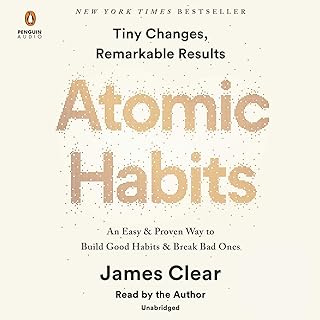
When you combine this with the right tools and routines, the results are powerful. Books like Atomic Habits by James Clear show how small systems produce big changes. For a child, a simple habit like “when I’m in the red, I squeeze my hands three times” can reroute a meltdown into a moment of control.
The Four Zones Explained
Let’s break down the classic zones. These descriptions are simple enough for a kindergartener to understand.
| Zone | Color | Emotion Clues | Body Clues | Best Action |
|---|---|---|---|---|
| Blue | Blue | Sad, tired, bored, sick | Slow breathing, low energy, slumped shoulders | Move, stretch, talk to someone, get a drink |
| Green | Green | Happy, calm, focused, ready | Steady breathing, relaxed muscles, good posture | Keep doing what you’re doing, learn, play |
| Yellow | Yellow | Frustrated, worried, silly, excited | Fidgety, tense shoulders, faster heartbeat | Use a calming tool: deep breaths, count, walk away |
| Red | Red | Angry, terrified, out of control | Clenched fists, yelling, crying, fast pulse | Stop. Safe space. Sensory break. Ask for help. |
Blue Zone – The “Low Fuel” Zone
Kids in the blue zone aren’t misbehaving. They are under aroused. They might be sleepy, hungry, or just lonely. The fix is gentle movement, connection, or a snack.
Green Zone – The “Go” Zone
This is the optimal learning and playing zone. A child in green can listen, share, and solve problems. Most teaching and coaching happens here.
Yellow Zone – The “Caution” Zone
Yellow is where things start slipping. The child is still in control but losing grip. This is the best moment to use a regulation strategy. If you wait until red, it’s much harder.
Red Zone – The “Stop” Zone
Red means the brain’s alarm system has taken over. Logic is offline. The child needs a safe space to calm down first. Later, you can talk about what happened.
How to Teach the Feelings to Actions Map
The map is simple: Feeling → Zone → Strategy → Action. Here’s how to teach it step by step.
1. Introduce the Zones With Stories
Read a children’s book about emotions and ask, “What zone do you think the character is in?” Use the character’s face and body language as clues. Make it a game.
2. Create a Visual Chart
Print a poster with the four zones. Let your child draw or paste pictures of themselves in each zone. Hang it where everyone can see it.
3. Practice the Strategies Together
Don’t wait for a meltdown. Practice deep breathing, progressive muscle relaxation, or “five senses” grounding when everyone is calm. The more you rehearse, the more automatic it becomes.
4. Use “Zones Check Ins” Throughout the Day
At breakfast, ask: “What zone are you in right now?” At homework time: “What zone do you need to be in to focus?” This builds self awareness.
5. Build a Coping Strategies Menu
Work with your child to list 3–5 strategies per zone. For example:
- Blue zone strategies: Do 10 jumping jacks, hug a pet, listen to a favorite song.
- Yellow zone strategies: Take three deep breaths, draw a picture, squeeze a stress ball.
- Red zone strategies: Go to the calming corner, wrap in a blanket, splash cold water on your face.
Write them on cards and put them in a jar. When they feel upset, they pull a card.
Practical Activities for Each Zone
The more hands on, the better kids remember. Try these activities to reinforce self regulation zones for kids.
Blue Zone: Wake Up Your Body
Do a “body scan” where you wiggle each body part from toes to head. Try animal walks (bear crawl, frog jumps) to increase alertness.
Green Zone: Strengthen the Calm
Practice “starfish breathing”: trace your hand and breathe in as you go up each finger, out as you go down. Read a book about kindness or gratitude.
Yellow Zone: Reframe the Energy
Use a “worry box” where kids write or draw their worry and drop it in. Then do a positive affirmation: “I can handle this.”
Red Zone: Safe Reset
Create a “zen den” with pillows, a weighted blanket, and calm down bottles (glitter in water). The rule: no talking until your breathing slows.
Common Challenges (and How to Overcome Them)
“My Child Refuses to Use the Zones”
This happens when kids feel labeled or forced. Back off. Model the zones yourself. Say, “Mommy is in the yellow zone right now. I’m going to take three breaths.” They’ll copy you.
“It Works at Home but Not at School”
Share the zone chart with your child’s teacher. Many schools already use a similar system. Ask the teacher to allow breaks when your child signals they are in yellow or red.
“My Teenager Thinks It’s Babyish”
Teens still need regulation skills, but they hate baby talk. Use grown up language: “emotional state,” “threshold,” “recovery.” Introduce books like The Mountain Is You which explains self sabotage and mastery without feeling juvenile.

“I Struggle With My Own Regulation”
You can’t pour from an empty cup. Read The Power of Self-Discipline: 5-Minute Exercises to build your own daily practice. Your calm becomes their calm.
Recommended Resources for Building Self-discipline
Building self regulation zones for kids is part of a larger journey toward self-discipline. Here are top rated books that complement this work.
Book Comparison Table
| Product | Price | Rating | Key Focus | Image | Buy |
|---|---|---|---|---|---|
| No Excuses!: The Power of Self-Discipline | $8.66 | 4.7 | Core self-discipline principles for all ages |  |
Buy at Amazon |
| Atomic Habits | $0.00 (free with Audible trial) | 4.8 | Tiny habits that lead to massive change | |
Buy at Amazon |
| The Power of Discipline | $16.83 | 4.6 | Mental toughness and goal achievement |  |
Buy at Amazon |
| Discipline Equals Freedom | $12.93 | 4.7 | Stoic inspired manual for mental strength |  |
Buy at Amazon |
Each of these books offers a different angle. For a child friendly approach, start with habits and mindset. For adults who need to model self-discipline, any of these will serve you well.
Recommended Tools for Kids (Parent Friendly)
Sometimes kids need a concrete object to help them regulate. Consider these options.
The Four Agreements by Don Miguel Ruiz teaches personal freedom through four simple agreements. While written for adults, older kids (10+) can grasp the concepts of being impeccable with your word and not taking things personally. Use it as a family discussion book. 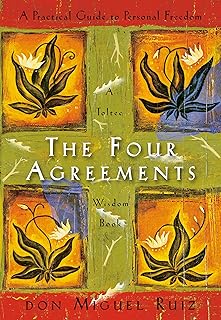
Digital Self-Discipline by Dr. Peter Hollins addresses the modern challenge of screens. If your child struggles with gaming or social media, this helps you both build a healthier relationship with technology. 
FAQ About Self-regulation Zones for Kids
What age should I start teaching self-regulation zones?
You can start as early as age 3 using simple language and pictures. By age 5 most kids can name the four colors and match basic feelings. The map becomes more sophisticated as they grow.
How is self-regulation different from self-discipline?
Self-regulation is the moment to moment skill of managing emotions and impulses. Self-discipline is the broader habit of consistently choosing long term good over short term comfort. The zones build the foundation for discipline.
What if my child has ADHD or autism?
The zones are especially helpful for neurodivergent kids because they provide concrete, visual cues. Many occupational therapists use this system. Adjust strategies to sensory needs. Weighted blankets, noise canceling headphones, and fidget tools can be part of the red zone toolkit.
How long does it take for zones to become automatic?
It depends on the child and how consistently you use the language. Expect 4–8 weeks of daily practice before you see spontaneous use. Some kids pick it up in days. Be patient.
Can I use this as a parent for myself?
Absolutely. Many parents find that using the zones themselves reduces yelling and increases patience. You are your child’s best model.
Final Thoughts: The Map to Self-Mastery
Teaching self regulation zones for kids isn’t about controlling behavior. It’s about giving children the internal compass they need to navigate life’s ups and downs.
When a child learns to map their feelings to the right action, they gain something priceless: the ability to choose their response instead of being a slave to their emotions. That’s the essence of self-discipline.
Start small. Name a zone. Try one strategy. Celebrate the effort. Over time, those small choices build a life of freedom and strength. Your child will carry that map with them forever.
And if you want to go deeper, pick up No Excuses!: The Power of Self-Discipline or Atomic Habits to transform how your whole family approaches growth. The journey begins with one feeling, one zone, one wise action at a time.