
You’ve clicked on yet another self-discipline YouTube video, hoping this time something sticks. Maybe the thumbnail promised “10 Stoic Rules for Unbreakable Willpower,” and you watched the whole thing, nodding along. A week later, you’re back on the couch scrolling again. Sound familiar?
The problem isn’t your desire for change. It’s that not every self-discipline YouTube video is built to create lasting transformation. Some are too long. Some are too fluffy. Others simply don’t give you a system you can actually use. To see real change, you need to carefully choose the right length, structure, and topics. That’s exactly what we’re diving into today.
In this guide, we’ll break down what makes a self-discipline YouTube video worth your time, how to spot the winners from the noise, and which specific topics deliver the highest return on mental investment. By the end, you’ll know exactly what to watch—and how to watch it for actual results.
Table of Contents
What Is the Right Length for a Self-Discipline YouTube Video?
Let’s be honest: you probably don’t have an hour to spare every morning for a video about delayed gratification. The sweet spot for a self-discipline YouTube video is 10 to 20 minutes. Why? Because that’s the perfect balance between depth and attention span.
Videos shorter than 10 minutes often lack enough actionable detail. They’re too superficial to cause a real mental shift. Videos longer than 30 minutes, unless they’re from a proven expert like Jim Kwik or Andrew Huberman, usually lose focus and start repeating themselves. You end up with information overload instead of clarity.
A 12- to 18-minute video forces creators to be concise. They must deliver the core insight, a practical method, and a clear call to action. That’s exactly what your brain needs to actually implement what you learn.
Key points for length:
- Ideal range: 10–20 minutes – Enough depth without fatigue
- Under 10 minutes – Good for quick motivation, rarely sufficient for skill-building
- Over 30 minutes – Only watch if the creator has proven authority and a track record of results
If you’re just starting your self-discipline journey, stick with videos in the 12–15 minute range. That gives you a high chance of completion and low chance of procrastination. Yes, the irony of procrastinating by watching a long video about self-discipline is real.
Structure of a Self-Discipline YouTube Video That Actually Works
Not all structures are created equal. The best self-discipline YouTube video follows a clear, repeatable pattern that mimics how your brain learns new habits. Look for these five structural elements:
1. A Hook That Makes You Feel Seen
The first 30 seconds should address your exact pain point. “You’ve tried to wake up early for weeks, but your bed keeps winning.” A good creator knows your struggle and validates it before offering a solution. This builds trust and keeps you watching.
2. The “Why” Backed by Science or Experience
After the hook, the video should explain why the method works. This could be a quick brain science fact (e.g., dopamine, prefrontal cortex) or a personal story of the creator’s own transformation. A self-discipline YouTube video that skips the “why” is just an inspirational quote generator—useless for real change.
3. A Step-by-Step “How”
This is the meat. The best videos give you a concrete system, not just abstract advice. Look for numbered steps, timelines, or a simple formula like “The 2-Minute Rule” or “The 5-Second Rule.” If the creator says “just have willpower,” close the tab. Real self-discipline comes from systems, not grit.
4. Real Examples, Not Just Theory
The video should show you what the system looks like in action. Maybe it’s the creator’s own morning routine or a case study of someone who used the method to quit a bad habit. Examples make the advice sticky.
5. A Clear Action Step
The best self-discipline YouTube video ends with one specific thing you can do right now. “After this video, set a timer for 5 minutes and do one push-up.” If the video doesn’t leave you with a micro-action, it’s entertainment, not education.
Checklist for a high-quality video:
- Hook that names your struggle
- Reason why the tactic works (science/story)
- Actionable steps you can follow
- Real-life example or demonstration
- One immediate call to action
Best Self-Discipline YouTube Video Topics for Real Change
Topic choice matters more than you think. Watching “10 ways to be more disciplined” might feel productive, but it rarely leads to lasting habits. Instead, focus on videos that address the root causes of undisciplined behavior. Here are the four most impactful topics to search for.
1. Habit Stacking and Environment Design
Your environment shapes your actions more than willpower ever will. A self-discipline YouTube video that teaches habit stacking (pairing a new habit with an existing one) and environment design (making good behaviors easy, bad ones hard) is pure gold.
What to look for: Creators like James Clear (from Atomic Habits) or Matt D’Avella often break this down. Look for videos that mention “friction,” “cue-routine-reward,” or “choice architecture.”
2. Dopamine Detox and Digital Self-Discipline
Let’s face it: your phone is your biggest enemy. Videos that explain how dopamine hijacks your focus and give practical steps to reclaim your attention are essential. A great example is the book Digital Self-Discipline: Break Free from Dopamine’s Snare, Overcome Digital Addictions & Reclaim Your Drive – many YouTube creators reference this concept.
What to look for: Videos that talk about “dopamine fasting,” “phone Sabbath,” or “deep work.” Avoid anyone who just screams “delete all social media.” Smart creators give you moderation strategies.
3. The Science of Willpower (Why It Runs Out)
Understanding the ego depletion theory (controversial but useful) or the idea that willpower is finite helps you stop blaming yourself. Videos that explain the physiology of self-control—like blood sugar, sleep, and stress—are incredibly valuable.
Top example: Search for Andrew Huberman’s podcast clips on self-discipline. He’s a Stanford neuroscientist who explains the biology behind focus and procrastination. His videos often go 40+ minutes, but even a 15-minute clip can change your perspective.
4. Stoicism for Self-Control
Stoic philosophy is having a major renaissance on YouTube. Videos that teach “The Dichotomy of Control,” “Memento Mori,” or “Amor Fati” give you a mental framework for discipline that doesn’t depend on mood. This is where books like Discipline Is Destiny: The Power of Self-Control by Ryan Holiday shine.
What to look for: Channels like Einzelgänger, Daily Stoic, or Better Ideas. Ensure the video goes beyond quotes and actually applies Stoic principles to modern distractions.
How to Watch a Self-Discipline YouTube Video for Maximum Impact
Watching isn’t enough. You need to process the information. Otherwise, you’re just marinating in motivation without transformation. Follow this 3-step method every time you watch a self-discipline YouTube video.
Step 1: Watch once without pausing. Get the full picture. Don’t take notes yet. Let the ideas wash over you.
Step 2: Rewatch and take notes. Write down the one system or technique that resonated most. Use a notebook or a note‑taking app. Bullet points work best.
Step 3: Apply before the day ends. Pick the smallest possible action from the video and do it immediately. Even one minute of application outweighs an hour of passive watching.
Pro tip: Set a timer for 5 minutes immediately after the video stops. Do one thing you learned. Your brain builds stronger neural pathways when you act quickly.
Recommended Self-Discipline Resources (Books That Work)
While YouTube is great for quick learning, books provide the deep, structured knowledge that creates real habits. The following resources are some of the highest-rated on Amazon for building self-discipline. Each has been chosen for its actionable advice, not just theory.

No Excuses!: The Power of Self-Discipline by Brian Tracy – $8.66, ★4.7. A classic that cuts straight to the mindset shifts required to stop making excuses. Perfect complement to any self-discipline YouTube video.
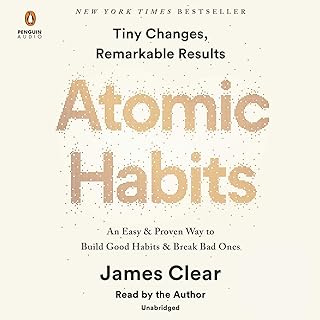
Atomic Habits by James Clear – Free on Audible, ★4.8. The most popular habit book ever. Its systems-based approach is the exact opposite of the “just try harder” garbage you find in many YouTube videos.

The Mountain Is You by Brianna Wiest – Free on Audible, ★4.7. Focuses on transforming self-sabotage into self-mastery. Especially useful if you understand the why behind your lack of discipline.

Discipline Is Destiny by Ryan Holiday – $5.88, ★4.7. Part of his Stoic Virtues series. Combines historical examples with modern application. Great if you enjoy the Stoic YouTube content.

Digital Self-Discipline – $12.99, ★4.8. A newer book that directly addresses screen addiction and dopamine traps. Perfect partner to YouTube videos about phone addiction.
Comparison Table: Top Self-Discipline Books You Should Read
| Book | Price | Rating | Key Focus | Buy at Amazon |
|---|---|---|---|---|
|
$8.66 | ★4.7 | Mindset & habit elimination | Buy Now |
|
$0.00 | ★4.8 | Systems & tiny changes | Buy Now |
|
$0.00 | ★4.7 | Emotional root causes | Buy Now |
|
$5.88 | ★4.7 | Stoic philosophy & examples | Buy Now |
|
$12.99 | ★4.8 | Phone addiction & focus | Buy Now |
Frequently Asked Questions About Self-Discipline YouTube Videos
What length of a self-discipline YouTube video is most effective?
Most effective length is 10 to 20 minutes. Videos that short force creators to be concise, and they match the average attention span for learning. Longer videos can be useful if the creator is an expert, but always check if the content is dense or just padded.
How often should I watch self-discipline YouTube videos?
Limit yourself to one or two per week. Watching daily leads to “motivation porn”—you feel productive without actually being productive. Use the video as a spark, then focus on taking action for the rest of the week.
Can I rely only on YouTube to build self-discipline?
No. Self-discipline is built through practice, not passive consumption. YouTube can teach you the principles, but you need real-world repetition. Combine videos with a book like The Power of Self-Discipline: 5-Minute Exercises (★★★★☆) for daily exercises.
What topics should I avoid in self-discipline videos?
Avoid videos that promise overnight change, focus only on motivation, or use guilt as a driver. Also steer clear of videos that give generic advice like “just wake up earlier” without explaining how to overcome the resistance.
How do I know if a self-discipline YouTube video is credible?
Check the creator’s background. Are they a psychologist, coach, or someone with a proven track record? Look for citations, references to studies, or personal stories that feel genuine. High comment interaction often indicates valuable content.
Your Next Step: Watch the Right Video Tonight
You now have a clear filter for choosing a self-discipline YouTube video that will actually improve your life. Stick to 10–20 minutes. Look for the five structural elements: hook, why, how, example, action. Choose topics that address root causes like dopamine, environment, or Stoic philosophy.
Don’t let this article become another piece of bookmark clutter. Right now, open YouTube and search for one of the topics we covered. Watch a 15-minute video from a credible creator. Then, before bed, take the smallest possible action based on what you learned. That’s how real change begins.
And if you haven’t already, grab a copy of No Excuses!: The Power of Self-Discipline by Brian Tracy. It’s the book that started it all for many successful people—and it pairs perfectly with your new video-watching strategy.