
Starting a weight loss journey is one of the most courageous things you can do. But what happens when the scale doesn't budge or you miss a workout? The fear of failure creeps in, whispering that you're not good enough. This fear can be paralyzing, making you want to quit before you even truly begin.
The truth is, fear of failure is a normal part of any personal growth process. It’s not a sign that you should stop – it’s a sign that you’re pushing beyond your comfort zone. In this article, we’ll explore how to keep showing up for yourself, even when your inner critic is loud. We’ll look at self-compassion, practical tools, and how products like  can support your progress without replacing the mental work.
Table of Contents
Understanding the Fear of Failure in Weight Loss
Fear of failure in weight loss often stems from past experiences. Maybe you’ve tried diets before and gained the weight back. Maybe you’ve felt judged by others. That fear isn’t about being weak – it’s a protective mechanism your brain uses to keep you safe from disappointment.
When you fear failure, you might:
- Avoid starting a new routine altogether.
- Set impossibly high standards that guarantee failure.
- Self-sabotage by skipping meals or overeating.
- Give up at the first small setback.
Recognizing these patterns is the first step. You aren't alone in this. Millions of people face the same internal battle. The difference between those who succeed and those who don’t is not perfection – it’s the ability to keep showing up after a stumble.
Self-Compassion: The Antidote to Perfectionism
Self-compassion means treating yourself with the same kindness you’d offer a friend. When you miss a workout or eat a high-calorie meal, beating yourself up only deepens the shame cycle. Instead, try this three-step approach:
- Mindfulness: Acknowledge your feelings without judgment. “I feel disappointed that I didn’t walk today.”
- Common humanity: Remind yourself that everyone struggles. “I’m not the only one who has tough days.”
- Self-kindness: Offer yourself comfort. “I can try again tomorrow. One missed day doesn’t define my journey.”
Studies show that self-compassion improves long-term weight loss success because it reduces cortisol (stress hormone) and prevents emotional eating. When you’re gentle with yourself, you’re more likely to bounce back quickly.
Building Weight Loss Confidence from Within
Confidence isn’t something you either have or don’t. It’s built one small win at a time. Start by setting goals that are so small they feel almost too easy. For example:
- Walk for five minutes.
- Drink one extra glass of water.
- Replace one processed snack with fruit.
Each time you complete a tiny goal, you send your brain a message: I am capable. Over time, these small wins stack up into genuine confidence. You begin to trust yourself again.
Another powerful tool is to focus on how you feel, not just the number on the scale. Notice your energy levels, your sleep quality, the way your clothes fit. That non-scale progress builds resilience against fear.
Practical Strategies to Keep Showing Up
1. Plan for Imperfection
Life happens. You’ll have parties, sick days, and stress-filled weeks. Instead of aiming for 100% consistency, aim for 80%. Have a “minimum viable action” for your worst days – something you can do even when you’re exhausted. That might be stretching for two minutes or taking a deep breath.
2. Track Your Non-Scale Victories
Use a journal or an app to log achievements that aren’t about pounds. Write down when you chose a healthier meal, when you walked instead of driving, or when you practiced self-compassion. Looking back at this list on hard days reminds you of your true progress.
3. Use Supportive Tools Wisely
Weight loss aids can complement your efforts, but they aren’t magic fixes. For instance,  supports healthy metabolism and helps stabilize blood sugar, which can reduce cravings. Similarly,
  provides apple cider vinegar and B12 for energy and digestion.
When you use these products alongside self-compassion and healthy habits, they become allies – not crutches.
4. Reframe “Failure” as Data
Every setback offers information. Did you eat because you were bored or stressed? Did you skip a workout because you were too tired or didn’t have a plan? Instead of judging, ask: “What can I learn from this?” This shifts your mindset from victim to scientist.
5. Create a “Show Up” Ritual
Design a simple five-minute morning routine that connects you to your purpose. It could be writing one sentence about why you’re doing this, or doing a short breathing exercise. This ritual anchors you so that even on days when fear is loud, you have a habit to fall back on.
Product Support: Tools That Can Help
While no pill replaces the work of building self-compassion, certain products can make the process easier. Here’s a comparison of some popular weight loss aids:
| Product | Key Features | Price | Rating | Buy at Amazon |
|---|---|---|---|---|
|
Orlistat 60 mg, blocks dietary fat absorption, non-prescription | $65.99 | 4.2 | Buy alli |
|
ACV, B12, Chromium, chewable gummies, apple flavor | $16.97 | 4.3 | Buy OLLY |
|
800 mcg, mineral supplement, supports sugar metabolism | $7.49 | 4.5 | Buy Nature's Bounty |
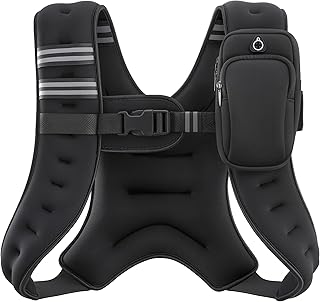 |
6-30 lb, reflective stripe, for strength training & cardio | $28.98 | 4.6 | Buy ZELUS Vest |
 |
Collagen + hyaluronic acid, biotin, L-carnitine, ACV | $26.95 | 4.4 | Buy Liquid Collagen |
Note: Some products like Zepbound ($25.00), Contrave ($50.00), and Phendimetrazine ($4.00) are prescription medications. Always consult with a healthcare provider before using any prescription weight loss aid.
Other helpful non-prescription options include Thermogenic Fat Burner Brazilian Lean ($9.99, 4.1 stars) for bloating and thermogenesis, and Purely Inspired 7-Day Detox Cleanse ($9.99, 4.2 stars) for a short-term whole-body clean.
Conclusion: You Are Already Showing Up
The mere fact that you are reading this article means you haven’t given up. Fear of failure might be a shadow, but you have the light of self-compassion. Every time you choose to try again – even after a slip – you build inner strength that no scale can measure.
Keep showing up. Not for perfection, but for the person you are becoming. And when you need an extra hand, let the tools and products you choose be reminders that you are worth the effort – fear and all.
Frequently Asked Questions
Q1: How do I stop being afraid of failing at weight loss?
A: Start by reframing failure as feedback. Each setback teaches you something about your triggers and preferences. Practice self-compassion and celebrate small wins to rebuild confidence.
Q2: Can supplements really help with weight loss motivation?
A: Supplements like chromium picolinate or metabolism gummy rings may help with cravings and energy, but they work best when combined with healthy habits and a compassionate mindset. They are not substitutes for mental preparation.
Q3: What if I’ve tried everything and still can’t lose weight?
A: Consider consulting a doctor to rule out medical issues. Prescription options like Zepbound or Contrave might be appropriate. Also, revisit your emotional relationship with food and exercise – sometimes adjusting expectations is the real key.
Q4: How long does it take to see results when I start showing up consistently?
A: Physical changes may take 4–6 weeks, but mental shifts can happen much faster. Focus on how you feel – increased energy, better mood, and a sense of accomplishment are immediate rewards.