
You have probably asked yourself this question more than once. What is self discipline and self control, and why does everyone keep saying they are the secret to success? The short answer is that self-discipline is the ability to push yourself to take action regardless of how you feel, while self-control is the capacity to resist short-term temptations in order to achieve long-term goals. Think of self-discipline as the engine that drives you forward, and self-control as the brakes that stop you from crashing into bad decisions.
In this deep dive, we will break down both concepts with crystal-clear definitions, real-life examples you can relate to, and actionable strategies to strengthen them. We will also explore the best resources available, including top-rated books that can help you master these skills. If you are serious about building a stronger mindset and a more successful life, keep reading.
Table of Contents
What Is Self Discipline and Self Control? The Clear Definitions
Let us start with the most important part. What is self discipline and self control in plain English?
Self-discipline is the ability to make yourself do what you know you should do, even when you do not want to. It is about consistent action toward your goals, day after day, regardless of mood, weather, or excuses. For example, waking up at 5 a.m. to exercise even though your bed feels like a cloud is self-discipline.
Self-control, on the other hand, is the ability to resist impulses and regulate your behavior in the moment. It is about saying "no" to the cookie when you are on a diet, or walking away from a heated argument instead of saying something you will regret. Self-control is more about inhibition; self-discipline is more about initiation.
Here is a simple way to remember the difference:
| Aspect | Self-Discipline | Self-Control |
|---|---|---|
| Focus | Taking action | Resisting action |
| Timeframe | Long-term habits | Short-term impulses |
| Example | Studying every day | Avoiding Netflix during study time |
| Energy | Requires willpower to start | Requires willpower to stop |
Both work together. You cannot have one without the other if you want real, lasting change.
Real-life Examples of Self-Discipline and Self-Control
Nothing makes a concept click faster than a good story. Let us look at some relatable examples.
Example 1: The Morning Routine
Meet Sarah. She wants to get fit, so she sets a goal to run three miles every morning. The first week is torture. Her alarm goes off at 5:30 a.m., and every cell in her body screams "hit snooze." But Sarah gets up anyway. She laces her shoes and steps outside. That is self-discipline in action.
Once she is running, she passes a bakery. The smell of fresh croissants is intoxicating. She is hungry, tired, and her brain says "one croissant won't hurt." But she remembers her nutrition plan and keeps running. That is self-control.
Example 2: The Work Project
Imagine you have a big deadline at work. You sit down to write the report, but your phone buzzes with a notification from Instagram. Your thumb twitches. Self-control is what stops you from picking up the phone. Self-discipline is what makes you open the document and start typing even though you would rather do anything else.
Example 3: The Financial Goal
You have decided to save $10,000 this year. Every payday, you automatically transfer a chunk into savings. That is self-discipline (the habit). When your friends invite you to an expensive weekend trip that would blow your budget, you politely decline. That is self-control (the resistance).
As you can see, they are two sides of the same coin. The good news is that both can be trained, just like a muscle.
Why This Distinction Matters for Your Success
Understanding what is self discipline and self control is not just an academic exercise. It changes how you approach your goals.
Many people fail because they rely only on self-control. They think "I just need to resist temptation," but they never build the self-discipline to create systems that make resistance easier. For example, if you keep junk food in the house, you are constantly draining self-control. But if you use self-discipline to plan your meals and shop only for healthy options, you eliminate the need for constant resistance.
The most successful people do not rely on willpower alone. They build routines, habits, and environments that reduce the demand for self-control while maximizing the impact of self-discipline.
How to Build Self-Discipline: Proven Strategies
Self-discipline is like a muscle. The more you use it, the stronger it gets. Here are practical steps to develop it.
Start Small and Stack Habits
Trying to overhaul your entire life in one day is a recipe for burnout. Instead, pick one small habit and do it every day. James Clear, author of Atomic Habits, calls this "habit stacking." For example, after you pour your morning coffee, you will do ten pushups. That tiny act builds the discipline muscle.
Practice the "Five Second Rule"
When you feel the urge to procrastinate, count backward: 5-4-3-2-1. Then move. This technique, popularized by Mel Robbins, interrupts your brain's hesitation loop and forces action. It is a simple but powerful way to trigger self-discipline.
Create a "No Excuses" Mindset
Brian Tracy's book No Excuses!: The Power of Self-Discipline is a classic for a reason. He emphasizes that discipline is the bridge between goals and accomplishment. Whenever an excuse pops up, write it down and then challenge it. Usually, the excuse is just fear dressed up as logic.
Use the 5-Minute Rule
When a task feels overwhelming, commit to doing it for just five minutes. Often, once you start, you will keep going. This is a core principle in The Power of Self-Discipline: 5-Minute Exercises to Build Self-Control, Good Habits, and Keep Going. The book is packed with short, daily exercises that rewire your brain for consistency.
How to Strengthen Self-Control: What Science Says
Self-control depletes when you use it, but you can build your reserves over time. Here is how.
Remove Temptation from Your Environment
The easiest way to resist a cookie is to not have cookies in your house. Self-control works best when you do not have to use it. Design your environment for success. If you want to stop scrolling social media, delete the apps or use a website blocker. This is a key lesson from Digital Self-Discipline: Break Free from Dopamine’s Snare, Overcome Digital Addictions & Reclaim Your Drive.
Practice Delayed Gratification
Famously tested in the Stanford marshmallow experiment, the ability to delay gratification is a powerful predictor of success. Train yourself by waiting ten minutes before giving in to a craving. That small pause is often enough for the impulse to fade.
Strengthen Your "No" Muscle
Say "no" to small things intentionally. For example, say no to the second cup of coffee, or no to checking email first thing in the morning. Each small act of self-control builds your capacity for bigger challenges.
Get Enough Sleep and Manage Stress
Self-control runs on glucose and mental energy. When you are tired or stressed, your willpower crashes. Prioritize sleep, eat well, and manage stress through exercise or meditation. This is a recurring theme in The Science of Self-Discipline: The Willpower, Mental Toughness, and Self-Control to Resist Temptation.
Top Books to Master Self-Discipline and Self-Control
You do not have to figure this out alone. The following books are some of the best resources available, backed by thousands of reviews and expert endorsements.
| Product | Price | Rating | Image | Buy at Amazon |
|---|---|---|---|---|
| No Excuses!: The Power of Self-Discipline | $8.66 | 4.7 |  |
Buy Now |
| Atomic Habits: An Easy & Proven Way | $0.00 (audible) | 4.8 | 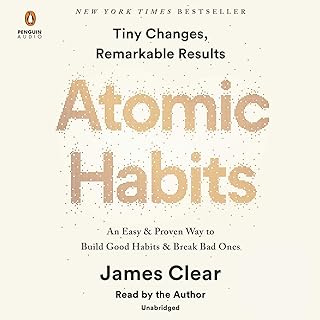 |
Buy Now |
| Discipline Is Destiny: The Power of Self-Control | $5.88 | 4.7 |  |
Buy Now |
| The Power of Discipline: How to Use Self Control | $16.83 | 4.6 |  |
Buy Now |
| The Mountain Is You: Transforming Self-Sabotage | $0.00 (audible) | 4.7 |  |
Buy Now |
| The Four Agreements: A Practical Guide to Personal Freedom | $7.05 | 4.7 |  |
Buy Now |
| Digital Self-Discipline: Break Free from Dopamine’s Snare | $12.99 | 4.8 |  |
Buy Now |
| Discipline Equals Freedom: Field Manual Mk1-MOD1 | $12.93 | 4.7 |  |
Buy Now |
| Stoic Self-Discipline: Stoicism’s 33 Ancient Secrets | $19.99 | 4.7 |  |
Buy Now |
| Mindful Self-Discipline: Living with Purpose | $0.00 (audible) | 4.7 |  |
Buy Now |
Each of these books offers a unique angle on what is self discipline and self control and how to cultivate it. Start with one that resonates with your current struggle.
Common Myths About Self-Discipline and Self-Control
Let us clear up some misconceptions.
Myth 1: You Are Born with It
Self-discipline is not a fixed trait. Some people may have a genetic advantage, but everyone can improve through practice. Your brain is plastic. It can rewire itself.
Myth 2: It Means Being Rigid and Boring
Discipline actually creates freedom. When you have the discipline to finish your work early, you free up time for fun without guilt. Jocko Willink, author of Discipline Equals Freedom, says it best: "Discipline equals freedom." The more disciplined you are, the more choices you have.
Myth 3: Self-Control Is Unlimited
Research shows that self-control depletes like a battery. However, you can train it to be more efficient. The key is to build habits so that you rely less on willpower and more on automatic routines.
Myth 4: You Have to Be Perfect
One slip does not mean you lack self-discipline. It is about what you do most of the time. If you miss a day of exercise, get back on track the next day. Perfectionism is the enemy of progress.
The Role of Self-Discipline in Achieving Goals
You can have the best strategy in the world, but without self-discipline, it is just a wish. Goals require consistent action over months and years. That is where self-discipline becomes your secret weapon.
Think of it as the difference between wanting to be fit and actually showing up at the gym every morning. Motivation fades. Discipline sticks.
When you truly understand what is self discipline and self control, you stop waiting for the perfect moment and start creating it. You learn to act even when fear, laziness, or boredom tries to hold you back.
Practical Step-by-Step Plan to Apply Today
Here is a simple plan you can implement right now.
- Identify one area where you lack self-discipline (e.g., waking up, studying, eating).
- Set a tiny, non-negotiable habit for that area. Example: "I will read one page of a book before bed."
- Remove one temptation that undermines that area. Example: "I will keep my phone in another room while I sleep."
- Track your progress for 30 days. Use a calendar and mark each day you succeed.
- Reward yourself after each week of consistency. The reward reinforces the habit.
- Read one of the recommended books to deepen your understanding. I suggest starting with Atomic Habits if you want to build better habits, or No Excuses! if you need a motivational kick.
Frequently Asked Questions about Self-Discipline and Self-Control
What is the main difference between self-discipline and self-control?
Self-discipline is about taking consistent action toward long-term goals, while self-control is about resisting short-term impulses. Self-discipline is proactive; self-control is reactive.
Can self-discipline be learned?
Absolutely. Self-discipline is a skill that can be developed through practice, habit formation, and environmental design. Start with small wins and gradually increase the challenge.
Why do I have good self-control in some areas and poor in others?
Self-control is domain-specific. You may have strong discipline at work but weak discipline with food. This is normal. Focus on strengthening one domain at a time.
How do I stop procrastinating?
Procrastination is a failure of self-discipline. Use the five-second rule, break tasks into tiny steps, and remove distractions. The Power of Self-Discipline: 5-Minute Exercises offers excellent exercises specifically for this.
What is the best book on self-discipline?
There is no single best book, but No Excuses! by Brian Tracy and Atomic Habits by James Clear are two of the most highly rated. For a stoic perspective, try Discipline Is Destiny by Ryan Holiday.
How long does it take to build self-discipline?
It varies, but most people see significant improvement within 30 to 60 days of consistent practice. The key is to keep going even after a slip.
Final Thoughts: Your Journey Starts Now
Now you know exactly what is self discipline and self control. They are not magical traits reserved for the elite. They are skills you can build, one micro-decision at a time.
Start small. Be kind to yourself when you stumble. And remember, every time you choose discipline over comfort, you are casting a vote for the person you want to become.
The life you want is waiting on the other side of your next disciplined choice. Take it.
For more deep dives on mindset, habits, and success, explore our other articles and consider picking up one of the recommended books listed above. Your future self will thank you.