
You’ve tried everything. You wake up early, force yourself to grind through the day, say no to every temptation, and still crash by dinner. Sound familiar? The problem isn’t that you lack drive. It’s that you’ve been treating self-discipline and willpower as the same thing. They’re not. And using them wrong is the fastest route to exhaustion.
This guide will show you exactly how self discipline and will power work together, where they differ, and how to leverage both without hitting the wall. By the end, you’ll have a practical system to build lasting habits without running on empty.
Table of Contents
Why Most People Confuse Self-Discipline with Willpower
Let’s clear up the confusion. Willpower is the mental muscle you use to resist short-term temptation. It’s what gets you past the office donuts when you’re on a diet. Self-discipline, on the other hand, is the habit you build over time so you don’t need to rely on that muscle every time.
Think of willpower as a sprint and self-discipline as a marathon. Willpower depletes quickly. Self-discipline becomes automatic. If you only rely on willpower, you’ll burn out. If you only rely on self-discipline, you might lack the initial push to start. The magic happens when you use both strategically.
This is why the best books on the topic, like No Excuses!: The Power of Self-Discipline by Brian Tracy, emphasize building systems over sheer grit. Tracy’s book (4.7 stars, $8.66) is a no-nonsense guide to creating a disciplined life without constant struggle.

Self Discipline and Will Power: The Real Difference
| Aspect | Willpower | Self-Discipline |
|---|---|---|
| Nature | Finite, depletable resource | Buildable habit, skill |
| Energy source | Mental glucose | Routine, environment |
| Best for | Resisting rare temptations | Daily consistent action |
| Risk | Quick burnout | Slow progress if not maintained |
| Example | Saying no to a slice of cake at a party | Eating healthy every day without thinking |
Understanding this table changes everything. You stop blaming yourself for failing when your willpower runs out. You start designing your environment and routines so that self-discipline does the heavy lifting.
Where Burnout Begins
Burnout happens when you lean too hard on willpower for too many decisions. Every “no” you force costs energy. By 6 p.m., your battery is flat. Then you binge-watch Netflix, skip the gym, and hate yourself for it.
The answer isn’t more willpower. It’s smarter self-discipline. Build habits so automatic that your willpower barely gets involved.
The Science Behind Self Discipline and Will Power
Roy Baumeister’s famous experiments on ego depletion showed that willpower is like a muscle that gets tired. People who had to resist cookies performed worse on a subsequent puzzle task. But newer research suggests this depletion is more about mindset than true fatigue. If you believe willpower is unlimited, you perform better.
Still, the practical takeaway is clear: don’t rely on willpower for everything. Use it for the most important decisions, then let routines carry the rest.
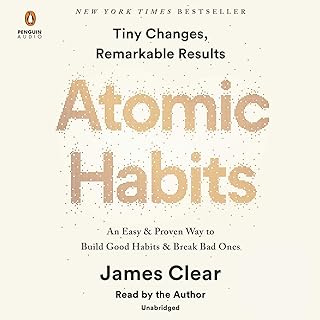
James Clear’s Atomic Habits (4.8 stars, free with Audible) dives deep into this. He shows that tiny, consistent changes outperform massive willpower-driven efforts. His “habit stacking” method is a perfect example of using self-discipline to preserve willpower.
How to Build Self-Discipline Without Exhausting Willpower
1. Design Your Environment
The easiest way to improve self-discipline is to remove friction. Want to eat healthier? Don’t buy junk food. Want to exercise? Lay your gym clothes out the night before. Your future self will thank you.
This is where Make Your Bed by Admiral William H. McRaven (4.7 stars, $6.95) comes in. Starting your day by making your bed sets a foundation of discipline. It’s a small win that costs minimal willpower but builds momentum.

2. Use Habit Stacking
Attach a new habit to an existing one. After your morning coffee, meditate for two minutes. After you brush your teeth, do ten push-ups. This uses your existing routine as a trigger, so you don’t need to decide or use willpower.
3. Practice Micro-Habits
Set the bar so low you can’t fail. Want to read more? Read one page a day. Want to run? Put on your shoes and walk five minutes. Most of the time, you’ll do more once you start. The important part is showing up.
4. Schedule Decision Fatigue
Make your important choices in the morning when willpower is highest. Don’t decide what to work on at lunchtime. Plan your day the night before. This preserves mental energy for when you really need it.
5. Embrace Rest and Recovery
Paradoxically, rest builds self-discipline. When you’re well-rested, your willpower is higher. Sleep, exercise, and breaks are not signs of weakness. They’re the foundation of sustained self-discipline.
Practical Examples: Applying Self Discipline and Will Power
Scenario 1: Waking Up Early
- Willpower approach: Force yourself out of bed with sheer grit. Works for a few days, then fails.
- Self-discipline approach: Set an alarm across the room. Use a light-based alarm clock. Prep your morning routine. Within two weeks, waking up becomes automatic.
Scenario 2: Sticking to a Budget
- Willpower approach: Constantly remind yourself not to spend. Exhausting.
- Self-discipline approach: Automate savings, remove credit cards from your wallet, use cash envelopes. The system does the work.
Scenario 3: Reducing Phone Scrolling
- Digital distractions are a huge drain. The book Digital Self-Discipline: Break Free from Dopamine’s Snare (4.8 stars, $12.99) offers practical steps. Use grayscale mode, delete social media apps, set app timers. Your willpower won’t be tested because the temptation isn’t there.

The Role of Mindset and Self-Compassion
Burning out isn’t just about overworking. It’s also about self-critical thinking. When you slip, do you beat yourself up? That drains more energy than the slip itself.
The book The Mountain Is You: Transforming Self-Sabotage into Self-Mastery (4.7 stars, free with Audible) explores this. The mountain you need to climb is often your own internal resistance. Self-discipline isn’t about fighting yourself. It’s about understanding your patterns and working with them.

Self-compassion is not an excuse to slack off. It’s a way to recover faster from setbacks. “I messed up today, that’s okay, I’ll start again tomorrow” is more effective than “I’m so weak, why even bother?”
Comparison Table: Top Books to Build Self Discipline and Will Power
| Book | Rating | Price | Key Focus | Buy at Amazon |
|---|---|---|---|---|
|
4.8 | $0.00 (audio) | Habit building, systems | Buy |
|
4.7 | $8.66 | Self-discipline blueprint | Buy |
 |
4.7 | $5.88 | Stoic self-control | Buy |
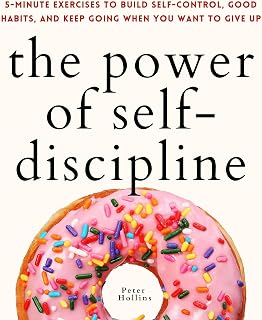 |
4.4 | $0.00 (audio) | 5-minute exercises | Buy |
|
4.8 | $12.99 | Digital addiction | Buy |
A 30-Day Plan to Strengthen Self Discipline and Will Power
Week 1: Audit and Environment
- Day 1-2: Track where you use willpower the most. Write down three decisions that drain you.
- Day 3-7: Remove friction. If junk food is a problem, don’t buy it. If social media is a distraction, delete apps from your phone.
Week 2: Build One Micro-Habit
- Pick one habit that would have the biggest ripple effect. Exercise? Reading? Meditation?
- Start with 2 minutes daily. Use habit stacking. No exceptions.
- Read The Science of Self-Discipline (4.5 stars) for deeper insight into mental toughness.

Week 3: Strengthen Your Willpower Reserve
- Get 7-8 hours of sleep every night.
- Eat balanced meals to stabilize blood sugar (willpower runs on glucose).
- Take short breaks every 90 minutes. Use a timer.
Week 4: Integrate and Reflect
- Add a second micro-habit.
- Review what worked. Did you rely too much on willpower? Adjust.
- Celebrate your wins, not just your streaks.
Common Questions About Self Discipline and Will Power
Can willpower be trained like a muscle?
Yes, but within limits. Regular practice of small acts of self-control (like using your non-dominant hand) can improve willpower. But don’t train it to exhaustion. Use it wisely.
Is self-discipline genetic?
Partly, but mostly learned. Some people are born more conscientious, but anyone can develop self-discipline through deliberate practice and environmental design.
What if I keep failing?
You’re not failing. You’re gathering data. Adjust your approach. Maybe the habit is too big, or your environment is too tempting. Start smaller.
Do I need both self-discipline and willpower?
Absolutely. Willpower gives you the spark. Self-discipline keeps the engine running. Without willpower, you might never start. Without self-discipline, you can’t sustain.
Conclusion
Self discipline and will power are not enemies. They’re partners. Use willpower for the crucial first steps and for resisting rare temptations. Then let self-discipline take over through routines, environment, and small habits.
The key to avoiding burnout is knowing when to push and when to design. You don’t have to be a warrior every day. You just need to be smart about your energy.
Start today. Pick one tiny change. Make your bed. Read one page. Do one pushup. That’s how you build a life of discipline without burning out. You’ve got this.
Frequently Asked Questions
What is the difference between self-discipline and willpower?
Self-discipline is a habit you build through routines and environment design. Willpower is a finite mental resource you use to resist temptation. Self-discipline makes willpower less necessary.
How can I improve self-discipline without feeling drained?
Focus on one small habit at a time, design your environment to remove temptation, and use habit stacking. Prioritize sleep and nutrition to keep willpower reserves high.
Which book is best for learning self-discipline?
Atomic Habits by James Clear is excellent for habit building. No Excuses! by Brian Tracy is great for motivational kick. For a stoic approach, Discipline Is Destiny by Ryan Holiday.
Can willpower really run out?
Research shows willpower depletes throughout the day, but beliefs matter. If you think willpower is unlimited, you perform better. Manage your decisions to avoid unnecessary temptation.
How do I stop relying on motivation?
Motivation is unreliable. Build systems and routines that don’t require motivation. Make your desired actions easier than your undesired ones.
What should I do if I break my streak?
Forgive yourself immediately. Don’t let one slip turn into a collapse. Get back on track the next day. Self-compassion speeds recovery.