
You know that feeling. You set a goal, feel fired up, and promise yourself this time will be different. Then a week passes. Or a day. And you’re back on the couch, wondering why your motivation burned out like a cheap candle.
The problem isn’t that you lack willpower. The problem is that you haven’t learned how to build self discipline for success the right way. Self discipline isn’t a gift you’re born with. It’s a skill, just like cooking or coding. And with the right plan, anyone can master it.
This guide is your step-by-step blueprint for sticking with your goals. No fluff, no fake slogans. Just practical strategies you can use today. And yes, we’ll pull in some of the best books on the topic to help you go deeper. Let’s get started.
Table of Contents
What Exactly Is Self Discipline and Why Does It Matter?
Self discipline is the ability to do what you need to do, even when you don’t feel like doing it. It’s choosing the hard right over the easy wrong. It’s the bridge between your goals and your accomplishments.
Without self discipline, talent means nothing. Motivation fades. But with discipline, you become unstoppable. Every successful person, from athletes to CEOs, relies on this one trait more than anything else.
The good news? You can rewire your brain for consistent action. The science of self discipline shows that willpower behaves like a muscle. Train it regularly, and it gets stronger. Neglect it, and it atrophies.
Why Most People Fail at Building Self Discipline (And How You Won’t)
Before we dive into the plan, let’s clear up three common mistakes that sabotage self discipline.
- Relying on motivation alone. Motivation is unreliable. It shows up when it’s convenient. Discipline is what keeps you going when motivation ghosts you.
- Trying to change everything at once. Overhauling your entire life in one day is a recipe for burnout. Small, consistent steps beat big, sporadic efforts every time.
- Ignoring your environment. If your environment is filled with temptations, your willpower will drain fast. Set up your space to support your goals, not fight them.
Sound familiar? Don’t worry. The plan below addresses each of these head-on.
The Simple Plan: 5 Steps to Build Self Discipline for Success
You don’t need a complicated system. You need a repeatable process. Follow these five steps, and you’ll transform from a “I’ll start tomorrow” person into a “let’s get it done” person.
Step 1: Define One Clear, Non-Negotiable Goal
Trying to build self discipline for success in every area of your life at once is like trying to juggle chainsaws. It won’t end well.
Pick one goal. One habit you want to solidify. For example:
- Exercise for 20 minutes every morning.
- Write 500 words a day.
- Save $50 each week.
Make it specific, measurable, and time-bound. Write it down. Hang it where you’ll see it every day. This becomes your anchor.
Step 2: Break It Down into Ridiculously Small Actions
Your brain hates big tasks. It loves small wins. So make your goal so easy that you can’t say no.
If your goal is to exercise, commit to putting on your shoes. That’s it. Once you’re dressed, you’ll probably do the workout. If you don’t, you still succeeded at the small action.
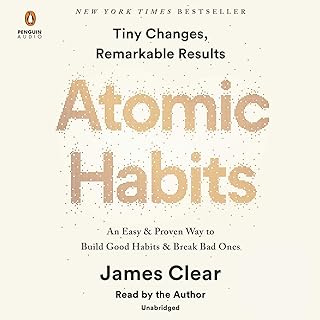
This is the principle behind Atomic Habits by James Clear (read it free with an Audible trial). Clear explains that habits stick when they’re tiny and frictionless. The book has a 4.8 rating and over 148,000 reviews for a reason.
Step 3: Systemize Your Environment
Willpower is a limited resource. Don’t waste it fighting temptation. Instead, design your surroundings to make good choices easy.
- Want to eat healthier? Keep junk food out of your house.
- Want to write more? Leave your notebook open on your desk.
- Want to stop scrolling? Put your phone in another room.
Digital Self Discipline is a huge factor today. The book Digital Self-Discipline: Break Free from Dopamine’s Snare offers practical advice for managing screen time. Rated 4.8, it’s a must-read for anyone battling distraction.

Step 4: Create a Simple Accountability Check
Accountability multiplies discipline. Tell a friend what you’re working on. Join a group. Or use a habit tracker.
Even better: track your progress daily. Seeing a streak of check marks gives you a dopamine boost and makes you want to keep going.
Step 5: Build Recovery Time into Your Plan
You will slip up. That’s normal. What matters is how you respond.
If you miss a day, forgive yourself and get back on track the next day. The “never miss twice” rule keeps small lapses from becoming full derailments.
Practical Exercises to Strengthen Your Self Discipline
Theory is useless without action. Try these exercises to build your discipline muscle.
- The 5-Minute Rule. When you don’t feel like doing a task, commit to just five minutes. Often, you’ll keep going.
- Cold Showers. Yes, really. A daily cold shower builds mental toughness. Start with 30 seconds and increase.
- Delay Gratification. When you crave something (like checking social media), wait ten minutes. Then decide.
- Practice the “One More” Principle. After your last rep, do one more. After your last paragraph, write one more sentence. This trains grit.
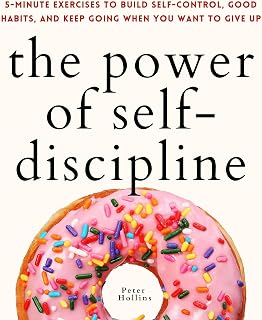
For a structured approach, check out The Power of Self-Discipline: 5-Minute Exercises (free with a trial, rated 4.4). It’s packed with bite-sized drills.
The Connection Between Self Discipline and Habits
Habits and self discipline are two sides of the same coin. Once a habit is automatic, it no longer requires willpower. That’s the goal: to make your desired behaviors unconscious.
The process is simple:
- Cue (trigger)
- Craving (desire)
- Response (action)
- Reward (satisfaction)
By engineering each stage, you can turn almost any activity into a habit. For a deep dive into this, read The Science of Self-Discipline by Peter Hollins (free with trial, 4.5 rating). It explains the neuroscience behind willpower and how to hack it.
How to Handle Temptation and Setbacks
Temptation is inevitable. Your brain is wired to seek short-term pleasure. But you can outsmart it.
- Use “if-then” plans: “If I feel the urge to procrastinate, then I will close my laptop and take three deep breaths.”
- Visualize the long-term benefits of your goal. Picture how good you’ll feel when you achieve it.
- Remind yourself of your “why.” When the going gets tough, the tough remember why they started.
The Mountain Is You by Brianna Wiest (free with trial, 4.7 rating) teaches you how to transform self-sabotage into self-mastery. It’s a powerful read for anyone who feels like their own worst enemy.

Recommended Resources to Build Self Discipline for Success
The following books offer different perspectives on discipline, habit formation, and mental toughness. I’ve handpicked the best based on ratings and reader feedback.
| Product | Price | Rating | Image | Buy at Amazon |
|---|---|---|---|---|
| Atomic Habits by James Clear | Free (with trial) | 4.8 | |
Buy Now |
| No Excuses!: The Power of Self-Discipline by Brian Tracy | $8.66 | 4.7 |  |
Buy Now |
| The Power of Discipline by Daniel Walter | $16.83 | 4.6 |  |
Buy Now |
| Mindful Self-Discipline by Giovanni Dienstmann | Free (with trial) | 4.7 |  |
Buy Now |
| Discipline Equals Freedom by Jocko Willink | $12.93 | 4.7 |  |
Buy Now |
| 365 Days With Self-Discipline by Martin Meadows | Free (with trial) | 4.5 |  |
Buy Now |
| Stoic Self-Discipline (self-published) | $19.99 | 4.7 |  |
Buy Now |
Quick Breakdown of Each Book
Atomic Habits is the gold standard for habit formation. It’s practical, science-backed, and easy to apply.
No Excuses! by Brian Tracy is a classic. Short chapters, direct advice, and a kick-in-the-pants style that works for many.
The Power of Discipline focuses on self control and mental toughness. Great if you want a no-nonsense manual.
Mindful Self-Discipline blends mindfulness with discipline. Perfect for those who struggle with inner resistance and overthinking.
Discipline Equals Freedom is Jocko Willink’s battlefield-tested philosophy. Raw, motivating, and beautifully simple.
365 Days With Self-Discipline gives you one thought per day. Use it as a daily meditation to stay on track.
Stoic Self-Discipline draws from ancient Stoic wisdom. If you liked Marcus Aurelius, you’ll love this.
The Role of Mindset in Sticking with Goals
Your mindset predicts your success more than any technique. If you believe discipline is fixed, you’ll give up when it gets hard. If you believe it’s a skill you can develop, you’ll keep going.
This is called a growth mindset. And it’s the foundation of lasting change.
One way to cultivate it is through daily affirmations. Not silly ones like “I am a millionaire.” Real ones like, “I am capable of building better habits,” or “Every effort I make strengthens my discipline.”
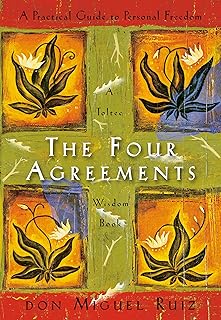
The book The Four Agreements (rated 4.7, $7.05) offers four principles that can transform your self talk. Agreements like “Be impeccable with your word” and “Don’t take anything personally” reduce mental friction and free up energy for disciplined action.
How to Measure Progress and Stay Motivated Long Term
Discipline alone can feel like a grind. You need to track progress to see the payoff.
- Use a habit tracker (digital or paper). Marking an X each day creates a visual streak that you’ll hate to break.
- Set mini milestones. If your goal is to lose 20 pounds, celebrate every 5 pounds.
- Review your why weekly. Write down why this goal matters. Read it aloud to yourself.
Also, rotate your environments and routines to avoid boredom. The brain craves novelty. Add small variations while keeping the core habit intact.
Putting It All Together: Your 30-Day Self Discipline Challenge
Ready to start? Here’s a simple 30-day challenge.
| Week | Focus | Action |
|---|---|---|
| 1 | Build awareness | Identify your biggest discipline leak. Track how often you give in to temptation. |
| 2 | Install one micro-habit | Choose one tiny habit (e.g., make your bed). Do it every day. |
| 3 | Optimize environment | Remove or hide one major distraction. |
| 4 | Add accountability | Tell someone your goal, or use an app to log progress. |
At the end of 30 days, you’ll have a solid foundation. Then pick another habit and repeat.
For a guided 30-day program, grab Self Discipline: 30 Days to Self Discipline (free with trial, 4.3 rating). It walks you through daily exercises.

Common Questions About Building Self Discipline
Below are answers to the most frequently asked questions. These will help you troubleshoot when things get tough.
What is the fastest way to build self discipline?
The fastest way is to start with one tiny habit and build momentum. Remove all friction from that habit. For example, lay out your workout clothes the night before. Success on small tasks reinforces your identity as a disciplined person.
Can self discipline be learned?
Absolutely. Research shows willpower is like a muscle. It gets stronger with consistent use. Start with easy challenges (e.g., standing up straight, saying no to snacks) and gradually increase difficulty.
Why do I lose discipline after a few days?
You’re probably trying to change too much at once, or relying on motivation. Motivation fades. Systems and routines keep you going. Also, check your sleep and nutrition. A tired brain has less willpower.
How do I stop procrastinating?
Procrastination is often fear of the task. Break it into a tiny first step. Start that step. Use the “5-Minute Rule” to overcome resistance. Also, manage your energy. Do hard tasks when your willpower is highest (usually morning).
What are the best books for self discipline?
Many excellent books exist. Atomic Habits, No Excuses!, and The Power of Discipline are top picks. For a daily dose of inspiration, try 365 Days With Self-Discipline. For a Stoic approach, Discipline Is Destiny by Ryan Holiday ($5.88, 4.7 rating) is fantastic.

How do I maintain discipline when I’m stressed?
Stress drains willpower. Double down on basics: sleep, exercise, and nutrition. Simplify your schedule. Focus on only one or two habits. Use mindfulness to avoid reacting impulsively.
Final Thoughts: Your Journey to Self Mastery Begins Now
Building self discipline for success isn’t about being perfect. It’s about being consistent. Every small decision you make today adds up to the person you become tomorrow.
Start with one goal. Follow the five steps. Use the resources we’ve shared. And when you stumble, remind yourself: falling down is part of the climb. What matters is getting back up.
You have everything you need inside you. Now go build that discipline.
Frequently Asked Questions
What is the difference between self discipline and motivation?
Motivation is the emotional desire to do something. Self discipline is the ability to act despite how you feel. Motivation gets you started; discipline keeps you going.
How long does it take to build self discipline?
There’s no fixed timeline, but most people notice a difference after 30 days of consistent practice. James Clear’s research suggests habits take 18 to 254 days to become automatic, with an average of 66 days.
Can meditation improve self discipline?
Yes. Meditation trains your ability to focus and resist distractions. Studies show that just 10 minutes of daily mindfulness increases self control. It also reduces stress, which supports discipline.
What’s the one habit I should start with?
Make your bed. It’s a small win that sets a disciplined tone for the day. Admiral William H. McRaven famously said, “If you make your bed every morning, you will have accomplished the first task of the day.” Check out his book Make Your Bed (only $6.95, rated 4.7) for more life-changing lessons.

Where can I learn more about the psychology of self discipline?
Two excellent resources are The Psychology of Self-Discipline ($17.99, 4.6 rating) and Discipline Is Destiny. Both dive deep into the mental frameworks behind consistent action.
