
You know that feeling. The alarm goes off at 5:30 AM, and your brain screams “just five more minutes.” The cookies are calling your name from the kitchen. The project deadline is looming, but Netflix just released a new season. In these moments, one thing separates those who achieve their goals from those who don’t: self discipline.
So, self discipline what is it, really? In plain English, self discipline is the ability to make yourself do what you know you should do, even when you don’t feel like doing it. It’s the inner engine that keeps you going when motivation fades, when excuses pile up, and when the easy path looks so tempting. And it’s the single most reliable predictor of long‑term success in any area of life.
If you’ve ever felt like you’re your own worst enemy, you’re not alone. The good news? Self discipline isn’t a gift you’re born with. It’s a skill you can build, one small decision at a time. And today, we’re going to break down exactly what it is, why it matters, and how you can start strengthening yours right now.

Table of Contents
What Self Discipline Really Means (Plain English)
Let’s cut through the jargon. Self discipline can sound like some harsh, military‑style boot camp. But at its core, it’s simply the practice of aligning your actions with your values and goals, regardless of your temporary feelings.
Think of it as your internal steering wheel. Emotions and impulses are like the wind – they can push you around. Self discipline is your hand on the wheel, keeping you pointed in the direction you chose, not the direction the wind wants to take you.
Here’s a working definition you can actually use:
Self discipline is the ability to delay gratification, resist temptation, and persist through discomfort in order to achieve a longer‑term payoff.
It’s what makes you choose the salad when you crave the burger. It’s what gets you to the gym when you’d rather sleep in. It’s what makes you close social media and write that report.
The beauty of this definition is that it removes the guilt. You don’t have to be perfect. You just need to practice making choices that serve your future self more than your present whims.
Why Self Discipline Matters More Than Motivation
We love motivation. It feels great. But here’s the truth: motivation is unreliable. It comes in waves, often peaking after a good night’s sleep or an inspiring podcast, then crashing when life gets hard.
Self discipline fills the gap when motivation takes a vacation.
Let’s look at a quick comparison to see why discipline wins:
| Quality | Motivation | Self Discipline |
|---|---|---|
| Relies on | Feelings, inspiration, mood | Habits, routines, commitment |
| Consistency | Spiky, unpredictable | Steady, trainable |
| Result after failure | “I’ll try again tomorrow” | “I’ll adjust and keep going” |
| Long‑term effect | Fizzles out | Builds momentum |
When you build self discipline, you no longer need to wait for the right feeling. You act anyway. That’s why top performers from athletes to entrepreneurs swear by it. As Jocko Willink puts it in his book Discipline Equals Freedom: Field Manual Mk1-MOD1: “Discipline equals freedom.” It sounds paradoxical, but by disciplining yourself, you free yourself from the slavery of impulse and indecision.

The Science Behind Self Control
You’re not weak. Your brain is wired to seek immediate rewards. That’s a survival mechanism from when we had to grab food quickly or starve. But in a world of endless temptations, that ancient wiring can work against you.
Researchers like Roy Baumeister have shown that self control is like a muscle. It gets tired with use (ego depletion), but it also gets stronger with training. The prefrontal cortex, the part of your brain responsible for decision‑making and impulse control, can be strengthened through practice.
Here’s the key insight: self discipline isn’t about white‑knuckling through every craving. It’s about designing your environment and habits so that the disciplined choice becomes the easy choice. As James Clear writes in Atomic Habits, “You do not rise to the level of your goals. You fall to the level of your systems.”
So if you want better self discipline, don’t rely on willpower alone. Change your surroundings, create friction for bad habits, and make good habits unavoidable.
Common Myths About Self Discipline
Let’s clear up some misconceptions that might be holding you back.
Myth 1: You have to be born with it.
False. Self discipline is a learned skill. Anyone can develop it with practice. Some people may have a head start due to upbringing, but it’s not a fixed trait.
Myth 2: Self discipline means being harsh and rigid.
Actually, the most disciplined people are often the most flexible. They know when to push and when to rest. Self discipline should feel like you’re on your own team, not like you’re punishing yourself.
Myth 3: It requires constant effort.
Initially, yes. But once you form a habit, it becomes automatic. The first few weeks of waking up early are hard. After a few months, it’s just what you do.
Myth 4: You either have it or you don’t.
This black‑and‑white thinking is dangerous. Self discipline exists on a spectrum. You can be disciplined in one area (work) and weak in another (eating). The goal is to improve gradually across the board.
How to Build Self Discipline (Actionable Steps)
Now that we know self discipline what it is, let’s talk about how to build it. These strategies are backed by research and real‑world practice.
1. Start ridiculously small.
Don’t try to transform your whole life overnight. Pick one tiny habit. For example, make your bed every morning. That’s it. As Admiral William H. McRaven says in his book Make Your Bed: Little Things That Can Change Your Life…And Maybe the World, if you make your bed every morning, you will have accomplished the first task of the day. It gives you a small sense of pride and encourages you to do another task, and another.

2. Use the “2‑Minute Rule.”
Any new habit should take less than two minutes to start. Want to read more? Read one page. Want to exercise? Put on your gym shoes. The goal is to lower the barrier to entry so your brain doesn’t resist.
3. Remove temptations.
Willpower is finite. Make it easier on yourself. If you want to eat healthier, don’t keep junk food in the house. If you want to focus, turn off notifications. Environmental design trumps willpower every time.
4. Create a pre‑commitment.
Tell someone your goal. Use an app that locks you out of social media. Set a deadline with a penalty. Pre‑commitment ties your future self’s hands so you can’t back out.
5. Practice discomfort deliberately.
Cold showers, fasting, or doing a boring task for five minutes. These small acts of discomfort train your brain to tolerate difficulty. Over time, bigger challenges feel easier.
6. Develop a “note to self” habit.
Write down your reasons for wanting to be disciplined. When temptation strikes, read your note. As the book Note to Self: The Discipline of Preaching to Yourself explains, speaking truth to yourself is a powerful way to realign your actions with your values.

7. Track your progress.
What gets measured gets improved. Use a journal, app, or calendar to mark your streaks. Seeing a chain of success motivates you to keep going.
Real Life Examples of Self Discipline
Sometimes the best way to understand self discipline what it is to see it in action.
- The writer who sits down to write every morning, even when the words won’t come. They produce a messy first draft, knowing they can edit later.
- The athlete who trains in the rain when everyone else stays home. They know consistency matters more than perfect conditions.
- The entrepreneur who turns down a lucrative short‑term deal because it doesn’t align with their long‑term vision. They choose strategic patience over quick cash.
- The person on a budget who says no to a night out because they’re saving for a house. They feel the FOMO, but they feel the goal more.
Notice that none of these people are superhuman. They’ve simply practiced aligning their actions with their values, again and again.
Recommended Books to Master Self Discipline
If you want to dive deeper, these books are gold. Each one offers a unique angle on building self discipline and self control. Here’s a comparison of the top picks.
| Book | Price | Rating | Key Focus | Buy at Amazon |
|---|---|---|---|---|
|
$8.66 | ⭐ 4.7 | 21 principles of self‑discipline for all areas of life | Buy on Amazon |
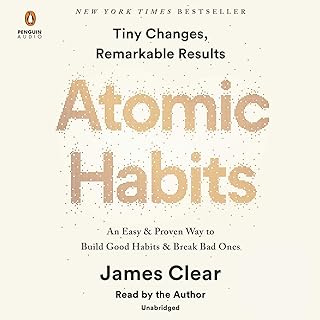 |
$0.00 (Audible) | ⭐ 4.8 | Habit formation, small changes, system design | Buy on Amazon |
 |
$5.88 | ⭐ 4.7 | Stoic approach to self‑control, willpower, resilience | Buy on Amazon |
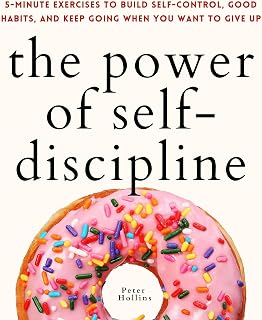 |
$0.00 (Kindle Unlimited) | ⭐ 4.4 | 5‑minute exercises, practical daily drills | Buy on Amazon |
 |
$0.00 (Audible) | ⭐ 4.7 | Transforming self‑sabotage into self‑mastery | Buy on Amazon |
Each book offers a slightly different path. No Excuses! by Brian Tracy is a classic, direct, and no‑nonsense. Atomic Habits is more about systems than willpower. Discipline Is Destiny by Ryan Holiday weaves Stoic philosophy into practical lessons. For anyone struggling with digital distractions, Digital Self-Discipline: Break Free from Dopamine’s Snare (rated 4.8) is a modern must‑read.
For a challenge, consider STOIC DISCIPLINE 30 DAYS TO UNBREAKABLE SELF-CONTROL AND FOCUS (rated 4.8) or the classic The Four Agreements: A Practical Guide to Personal Freedom (rated 4.7, only $7.05). And if you want a complete psychology‑based approach, The Psychology of Self-Discipline (rated 4.6) offers 24 proven strategies.
Frequently Asked Questions
What is the difference between self discipline and willpower?
Willpower is the mental energy you use to resist a short‑term temptation in the moment. Self discipline is a broader skill set that includes willpower but also involves habits, routines, and long‑term strategies. Willpower is like a sprint; self discipline is the marathon.
Can self discipline be learned or is it innate?
Absolutely learned. While some people may have a genetic advantage in impulse control, research shows that self discipline can be trained like a muscle. Consistent practice, small wins, and environmental changes can dramatically improve your level of self control.
How long does it take to build self discipline?
There’s no fixed timeline. Many people notice improvements within a few weeks of consistent small actions. But deep, lasting change often takes months. The key is to stop thinking of self discipline as an all‑or‑nothing trait and start seeing it as a daily practice.
Why is self discipline important for success?
Because success is rarely about talent or luck; it’s about what you do when no one is watching. Self discipline keeps you showing up, doing the work, and making the hard choices that compound over time. It’s the foundation of skill development, financial stability, health, and meaningful relationships.
How can I improve self discipline fast?
Focus on one tiny habit. Remove temptations. Use the 2‑minute rule. And most importantly, forgive yourself when you slip. Guilt drains willpower. Instead, learn from the slip and get back on track.
What are the best books on self discipline?
Some of the most highly rated include No Excuses! by Brian Tracy, Atomic Habits by James Clear, Discipline Is Destiny by Ryan Holiday, The Power of Self-Discipline by Peter Hollins, and The Mountain Is You by Brianna Wiest. All are available on Amazon at the links above.
Your Next Step
Now you know exactly what self discipline is. It’s not a secret superpower. It’s a choice you make every time you pick the hard right over the easy wrong. And the most beautiful part? Every small disciplined act strengthens your ability to do it again.
Start today. Not tomorrow, not next month. Pick one small thing, and do it. Make your bed. Read one page. Go for a five‑minute walk. Your future self will thank you.
Because when you master self discipline, you don’t just reach your goals. You become the kind of person who can achieve anything. And that’s a life worth building.