
If you’ve ever tried to teach self-discipline to a middle schooler, you know the struggle is real. Lectures fade out after the first sentence. Posters get ignored. But a self discipline video for middle school students? That’s a different story. Short, fun, and visually engaging videos can slip the message in before they even realize they’re learning something useful.
The trick is finding videos that match their energy and attention span. You need content that feels like a win, not a chore. In this guide, we’ll break down exactly what makes a self discipline video for middle school students stick, how to use it effectively, and what books and tools can reinforce the lessons long after the screen goes dark.
Table of Contents
What Makes a Self Discipline Video for Middle School Students Effective?
Middle school is a chaotic time. Hormones, homework, social pressure, and the sudden urge to argue with everything. A good self discipline video for middle school students must meet them where they are. That means:
- Short runtime: 3–5 minutes max. Anything longer and you lose them.
- Relatable characters or stories: Real-life examples of kids their age facing tough choices.
- Actionable takeaways: Not just “be disciplined” but “here’s how to ignore your phone when studying.”
- Humor: A little sarcasm or silliness goes a long way. They’re not adults – they still laugh at fart jokes.
Research shows that the teenage brain responds more strongly to rewards than punishments. So a video that frames self-discipline as a superpower (instead of a punishment) will resonate much deeper. Think of it like planting a mental seed – the video is the water, but the soil has to be ready.
Short and Fun: The Secret Ingredients That Actually Stick
What does “fun” mean for a middle schooler? It’s not a lecture from a guy in a suit. It’s fast cuts, relatable memes, and stories about real kids overcoming procrastination. The best self discipline video for middle school students uses these three elements:
1. The “Why” you can feel – Don’t just tell them discipline is good. Show them how it feels to finish a project early and have free time. Let them taste the relief.
2. The “How” you can see – Use step-by-step visuals. For example, a video that shows a student turning off notifications, setting a timer, and ticking off a task. Seeing is believing.
3. The “Oops” that makes them laugh – Include mistakes. Show a kid who waited until the last minute and had a meltdown. Humor makes the lesson stick longer than any dry explanation.
“Discipline is choosing between what you want now and what you want most.” – Abraham Lincoln (but put it in a meme format for maximum impact)
How to Choose the Right Self Discipline Video for Middle School Students
Not all videos are created equal. Some are too childish, others too preachy. Here’s a quick checklist to evaluate any self discipline video for middle school students:
| Feature | What to look for |
|---|---|
| Length | 3–5 minutes (shorter for younger, longer for older) |
| Tone | Respectful, not condescending; funny but not mean |
| Examples | Real middle school scenarios: homework, gaming, social media |
| Call to action | A simple challenge (e.g., “Try the 5-minute rule today”) |
| Production quality | Good audio, clear visuals – no low-effort slideshows |
Where to find them: YouTube has thousands of free options. Look for channels like The School of Life (for kids), TED-Ed, or Self-Discipline Daily. Also, some teachers create their own – search for “self discipline video for middle school students” and check the comments.
Pro tip: Watch the video yourself first. If it bores you, it will bore them. If it makes you smile or nod, you’ve found a keeper.
Real-Life Examples: When a Self Discipline Video Changed the Game
Let’s talk about Maria. She was a sixth grader who always left assignments until Sunday night. Her mom showed her a self discipline video for middle school students about the “Pomodoro Technique.” The video was only four minutes long, but it featured a kid exactly like Maria – stressed, distracted, and tired of last-minute panic.
After watching, Maria tried it. She set a timer for 25 minutes, worked without interruption, then took a five-minute break. Within a week, her grades improved, and she actually had time to play after school.
Another example: a group of eighth graders watched a video about “delayed gratification” – the marshmallow test adapted for teens. They then challenged each other to put away their phones during study time. The video sparked a classroom culture shift.
Stories like these happen when the content is short, fun, and directly relevant. The self discipline video for middle school students becomes a shared language. Teachers can say “Remember the video?” and students instantly recall the lesson.
Beyond the Video: Building Self-Discipline Habits That Last
Videos are a great start, but they’re not magic. To make self-discipline stick, you need to pair the video with practice. Here’s a simple framework:
- Watch a video (3–5 min) – pick one each week.
- Discuss it – ask “What would you do differently?”
- Try a challenge – like a no-phone study session.
- Reflect – journal about what worked or what was hard.
Recommended books for deeper learning:

The Four Agreements – Timeless wisdom in simple language. Perfect for middle schoolers who are ready for deeper self-awareness. Buy on Amazon – $7.05, Rated 4.7.

Discipline Equals Freedom – Jocko Willink’s no-nonsense approach. The short chapters work well for reluctant readers. Buy on Amazon – $12.93, Rated 4.7.

Atomic Habits – The gold standard for habit formation. The 1% rule is a game-changer for students. Buy on Amazon – $0.00 (audiobook), Rated 4.8.
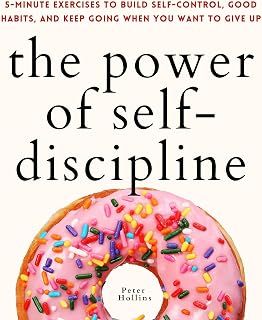
The Power of Self-Discipline – Quick exercises perfect for busy students. Each takes only five minutes. Buy on Amazon – $0.00 (audiobook), Rated 4.4.
Comparison Table: Top Self-Discipline Books for Middle School Students
| Book | Price | Rating | Key Feature | Buy at Amazon |
|---|---|---|---|---|
|
$7.05 | ⭐ 4.7 | Simple life principles | Buy Now |
|
$12.93 | ⭐ 4.7 | No-excuses mindset | Buy Now |
|
$0.00* | ⭐ 4.8 | Tiny changes, huge results | Buy Now |
|
$0.00* | ⭐ 4.4 | 5-minute exercises | Buy Now |
*Free with Audible trial or Kindle Unlimited.
Frequently Asked Questions
How long should a self discipline video for middle school students be?
Aim for 3–5 minutes. Any longer and attention drifts. Shorter videos can also work, but only if they pack a strong message.
Can a single video really change a student’s behavior?
It can spark a shift. Real change happens when the video is followed by discussion and practice. Use videos as conversation starters, not miracle cures.
What topics should a good self discipline video cover?
Procrastination, managing distractions (phones, games), goal setting, delayed gratification, and building routines. The best videos address specific challenges middle schoolers face daily.
Are there any free self discipline videos for middle school students?
Yes! YouTube channels like TED-Ed, The School of Life, and Self-Discipline Daily offer excellent free content. Just search for your topic and preview first.
Should I watch the video with my child or student?
Absolutely. Watching together opens the door for conversation. Ask questions like “What part did you like?” or “Could you try that tomorrow?” This doubles the impact.
Final Thoughts: Make It Stick
The best self discipline video for middle school students is the one they actually watch twice. It’s short, funny, and leaves them with a simple, doable action. Combine it with a good book like Atomic Habits or The Four Agreements, and you have a powerful toolkit for building lifelong habits.
Remember, middle schoolers are not broken. They just need the right nudge in the right package. A well-crafted video can be that nudge. Pair it with consistency, and you’ll see the change – homework done on time, less screen fighting, and more “I can do this” attitudes.
So go ahead. Find that perfect self discipline video for middle school students, press play, and watch the magic happen. Your future self (and your kid) will thank you.