
Let’s be honest. Telling a kid “just focus” or “be patient” rarely works. They need to see it, feel it, and laugh while learning it. That’s exactly where a self-discipline video for kids comes in. These aren’t boring lectures. They’re colorful, story-driven adventures that teach self-control, delayed gratification, and daily habits in a way that actually sticks.
If you’re a parent, teacher, or caregiver who wants your child to build stronger willpower without the power struggles, you’re in the right place. We’ll explore why videos work so well, what to look for, and even some book recommendations to reinforce the lessons when the screen goes off.
Table of Contents
Why Kids Need Self-Discipline (And Why Videos Work)
Self-discipline is the ability to choose what’s best over what’s easy. It’s the skill behind finishing homework before gaming, saving allowance instead of spending it all, and staying calm when things don’t go your way. Kids who develop self-discipline early tend to do better in school, handle emotions more effectively, and build healthier relationships.
But here’s the challenge: self-discipline is an abstract concept. You can’t touch it or see it. Kids learn best through stories, characters, and relatable situations. A well-made self-discipline video for kids turns that abstraction into a concrete, memorable experience.
The Science of Self-Control in Childhood
Research shows that self-control in childhood predicts everything from academic success to adult health. But brains aren’t born with it. The prefrontal cortex — the part that manages impulses — takes years to develop. That means kids need repeated, playful exposure to self-discipline ideas.
Videos that use songs, repetition, and positive role models help wire these lessons into the brain. When a child watches a character pause before making a choice, their own brain mirrors that behavior. It’s like mental practice without any pressure.
Why Videos Beat Lectures Every Time
Have you ever tried explaining “delayed gratification” to a seven-year-old? Good luck. But show them a video where a hero saves a treat for later and earns a bigger reward, and suddenly the concept clicks.
Videos are more than entertainment. They reduce cognitive load, provide visual cues, and trigger emotional engagement. The best self-discipline video for kids doesn’t feel like a lesson. It feels like play. And when kids are playing, they’re wide open to learning.
What Makes a Great Self-Discipline Video for Kids?
Not all videos are created equal. Some are flashy but shallow. Others are too preachy. To find content that builds real habits, look for these key ingredients:
- Engaging characters that kids care about and want to imitate
- Simple steps like “stop, think, choose” that are easy to remember
- Repetition of the core message without becoming boring
- Interactive elements like prompts to repeat actions or answer questions
- Positive reinforcement where the character succeeds through self-control, not punishment
Also keep an eye out for videos that include self-control activities for children woven into the story. For example, a video might pause and ask kids to take three deep breaths before the character makes a decision.
Examples of High-Quality Content
While we won’t name specific channels (every parent’s taste differs), you can search for terms like “patience game for kids”, “impulse control cartoon”, or “self-regulation short film”. Some of the most effective videos use real children demonstrating the behavior, or animated characters who face everyday temptations like screen time or sweets.
The goal is to find content that matches your child’s age and interests. A preschooler might love a puppet show about sharing, while a tween might respond better to a challenge-based video that shows the science behind willpower.
Best Self-Discipline Video for Kids: Types and Approaches
Now let’s break down the different formats you’ll encounter. Each has its own superpower.
| Type | Best for | Example approach |
|---|---|---|
| Story-based animation | Ages 3-7 | A rabbit learns to save carrots instead of eating them all |
| Real-life challenge video | Ages 6-12 | Kids try the marshmallow test and talk about their choices |
| Song or music video | Ages 2-6 | A catchy tune about brushing teeth or cleaning up toys |
| Guided meditation / breathing | Ages 5-10 | An animated character guides kids through a “calm down” moment |
The key is to mix formats. A child’s brain craves variety. One day watch a story, the next day do a breathing exercise video. This reinforces the self-discipline video for kids lessons from different angles.
How Parents Can Use These Videos Effectively
A video alone won’t transform your child’s habits. But when you use it as a springboard for conversation and practice, it becomes incredibly powerful. Here’s how to get the most out of screen time.
Watch Together
Don’t just hand over the tablet. Sit with your child and watch the video. Laugh at the funny parts. Ask questions like “What do you think she should do?” afterward. This turns passive watching into active learning.
Discuss and Connect
After the self-discipline video for kids ends, talk about how the lesson applies to real life. You might ask:
- When did you use self-control today?
- What’s one thing that’s hard for you to wait for?
- Can we try the trick the character used next time you’re feeling frustrated?
Practice the Skill
Pick one small habit from the video and practice it together. If the video taught deep breathing, do it together every time a timer rings. If it showed setting a goal, help your child draw a simple chart.
Celebrate Progress, Not Perfection
Self-discipline is a muscle. It gets stronger with consistent use, but it also gets tired. Celebrate small wins like resisting a cookie once or finishing a chore before screen time. Positive reinforcement keeps kids motivated to keep trying.
Books to Reinforce Self-Discipline at Home
While videos are wonderful for capturing attention, books offer deeper dives and reusable reference. They allow you to revisit concepts at your own pace and build a shared vocabulary around self-control.
We’ve handpicked several books that complement what your child learns from a self-discipline video for kids. These are resources for you as a parent, or for older kids who can read along.
Top Recommendations

Discipline Equals Freedom by Jocko Willink (Price: $12.93, Rating: 4.7)
A no-excuses field manual for building mental toughness. Great for parents who want a straightforward, actionable guide.
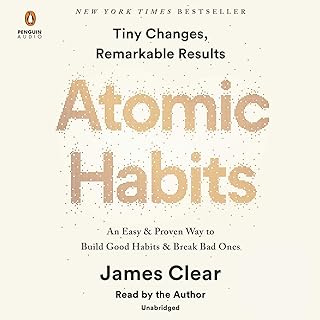
Atomic Habits by James Clear (Price: $0.00 audiobook, Rating: 4.8)
The gold standard for habit formation. Packed with strategies you can apply to your kids’ routines—like habit stacking and environment design.

Make Your Bed by Admiral William H. McRaven (Price: $6.95, Rating: 4.7)
Simple, powerful lessons about how small acts of discipline lead to bigger changes. Perfect for reading aloud together.

No Excuses! The Power of Self-Discipline by Brian Tracy (Price: $8.66, Rating: 4.7)
A classic that breaks down self-discipline into 21 practical principles. Great for older kids and teens.
Comparison Table
| Product | Price | Rating | Buy Link |
|---|---|---|---|
|
$12.93 | 4.7 | Buy at Amazon |
|
$0.00 (audiobook) | 4.8 | Buy at Amazon |
|
$6.95 | 4.7 | Buy at Amazon |
|
$8.66 | 4.7 | Buy at Amazon |
These books are excellent companions to any self-discipline video for kids. Read a chapter, then watch a related video. The combination creates a powerful learning loop.
Frequently Asked Questions About Self-Discipline Video for Kids
1. What exactly is a self-discipline video for kids?
A self-discipline video for kids is any short video designed to teach children self-control, patience, goal-setting, and good habits through entertaining stories, songs, or challenges. They use age-appropriate language and visuals to make abstract concepts concrete.
2. At what age should I start showing these videos?
You can start as early as age 2 with simple songs about routines. Around ages 3-4, kids begin to understand simple cause-and-effect, making story-based videos effective. For tweens (ages 10-12), look for more advanced content that discusses willpower and motivation.
3. How often should my child watch these videos?
2-3 times per week is a good starting point. The goal is reinforcement, not overexposure. You want the lessons to sink in without the video becoming background noise. Some families use a video as a weekly “habit booster” after a weekend family meeting.
4. Can these videos replace real-life discipline?
No. Videos are a teaching tool, not a replacement for consistent parenting. They work best when combined with watching together, discussing, and practicing the skills. Think of them as a fun supplement to your everyday guidance.
5. How do I know if a video is high quality?
Look for content that models positive behavior, avoids shaming, uses clear language, and includes interactive prompts. Check reviews from other parents or educators. The best self-discipline video for kids will leave your child feeling empowered, not scolded.
The Bottom Line
A self-discipline video for kids isn’t a magic button. But when used intentionally, it can plant seeds of self-control that grow for a lifetime. The best videos capture a child’s imagination while gently teaching them that pausing, waiting, and choosing wisely can be empowering — not boring.
Combine these videos with open conversations, real-world practice, and a few excellent books from the list above, and you’ve got a powerful toolkit. Your child doesn’t need to be perfect. They just need to take one small disciplined step at a time. And you can be right there with them, watching, learning, and cheering them on.
Start this week. Find one engaging self-discipline video for kids, sit down together, and see where the conversation takes you. It might just be the start of something beautiful.