
You’ve heard it a thousand times: self-discipline is the key to success. But what does that actually mean? Is it just about waking up at 5 a.m. or saying no to dessert? Not exactly.
The self-discipline value goes far deeper. It’s the compound interest of your daily choices—the hidden force that shapes your career, your connections, your body, and your dreams. When you understand the real payoff, you stop treating discipline like a punishment and start seeing it as the ultimate investment in yourself.

Let’s break down exactly where self-discipline pays off, and what you can do today to start collecting.
Table of Contents
The Self-discipline Value in Your Work and Career
If you want a promotion, a raise, or the freedom to work on your own terms, self-discipline is non-negotiable. It’s the difference between hitting snooze and showing up prepared. Between scrolling social media and finishing that project ahead of deadline.
Workplace discipline isn’t about grinding yourself into burnout. It’s about consistent, intentional effort that builds a reputation you can’t fake. When you consistently deliver, people trust you with bigger opportunities.
- High performers use self-discipline to prioritize deep work over busywork.
- Leaders need discipline to listen, delegate, and stay calm under pressure.
- Entrepreneurs rely on it to keep going when no one’s watching.
One book that nails this is No Excuses!: The Power of Self-Discipline by Brian Tracy. It’s a classic for a reason—practical, no-fluff strategies to stop talking and start doing.

Another standout is Discipline Equals Freedom by Jocko Willink. It’s a field manual for anyone who wants to take ownership of their life and career. The title says it all.

How Self-discipline Strengthens Your Relationships
You might not connect discipline with relationships, but think about it. Every healthy relationship requires self-control—biting your tongue when you’re angry, keeping promises, and showing up consistently even when you don’t feel like it.
Emotional self-discipline means you respond instead of react. You listen without planning your comeback. You apologise when you’re wrong. These small acts of discipline build trust over time.
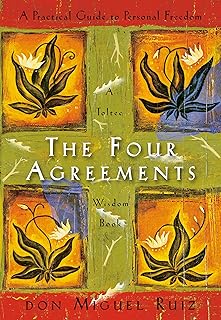
The classic book The Four Agreements by Don Miguel Ruiz offers a powerful framework. Agreements like “Be Impeccable with Your Word” and “Don’t Take Anything Personally” are essentially rules for disciplined communication.
Self-discipline also helps you set boundaries. That means saying no to toxic dynamics and yes to your own well-being. Yes to You, No to Them is a recent book that explores exactly this—the freedom that comes from choosing yourself.

The Self-discipline Value in Health and Fitness
Health is the area where discipline feels hardest and pays off most. You can’t outsmart biology. You have to do the work—eat well, move your body, sleep enough.
But here’s the secret: discipline simplifies health. When you decide ahead of time what you’ll eat and when you’ll exercise, you remove decision fatigue. You stop negotiating with yourself.
- Morning routines build momentum.
- Meal prepping saves willpower later.
- Regular exercise becomes automatic after 30 days.
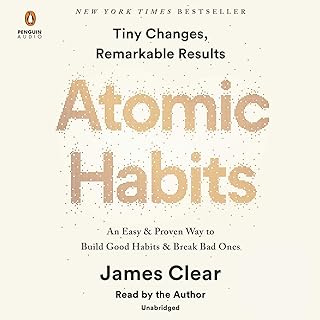
A powerful companion for building health habits is Atomic Habits by James Clear. It’s not about discipline in the old-fashioned sense—it’s about systems that make good choices inevitable.
And for a quick daily reminder, Make Your Bed by Admiral William H. McRaven shows how one small act of discipline can set the tone for your entire day—and your life.
Long-term Goals: Where Discipline Compounds
Most people overestimate what they can do in a year and underestimate what they can do in a decade. That’s because they miss the long-term self-discipline value of small, consistent actions.
Saving a little each month, learning one new skill per quarter, writing a page a day—these seem trivial. But over time, they become extraordinary.
The hard part is staying the course when rewards are far away. This is where The Mountain Is You by Brianna Wiest helps. It teaches you to transform self-sabotage into self-mastery, especially when your brain tries to pull you back to comfort.

Another great resource is Mindful Self-Discipline by Giovanni Dienstmann. It focuses on living with purpose and achieving goals without burning out.

Practical Strategies to Boost Your Self-discipline Value
You don’t need a massive overhaul. Here are a few actionable steps you can start today:
- Start small. Commit to one tiny disciplined action every day for 30 days. Use Self Discipline: 30 Days to Self Discipline as a guided plan.
- Design your environment. Make good habits easy and bad ones hard. Remove distractions.
- Use the 5-minute rule. When you don’t want to do something, commit to just five minutes. Often momentum carries you.
- Track your progress. Journaling or using an app helps you stay accountable.
- Build your identity. Instead of “I’m trying to be disciplined,” say “I am a disciplined person.” This shift changes your behavior.
If you need a structured program, STOIC DISCIPLINE 30 DAYS TO UNBREAKABLE SELF-CONTROL AND FOCUS combines ancient philosophy with modern psychology for a month-long challenge.

Comparison of Top Self-discipline Books
With so many great resources available, which one should you pick? Below is a quick comparison of four popular books that deliver real self-discipline value.
| Product | Price | Rating | Key Focus | Buy at Amazon |
|---|---|---|---|---|
|
$12.93 | 4.7 / 5 | Field manual for ownership, toughness, and daily action | Buy Now |
 |
$12.99 | 4.8 / 5 | Breaking digital addictions, reclaiming focus | Buy Now |
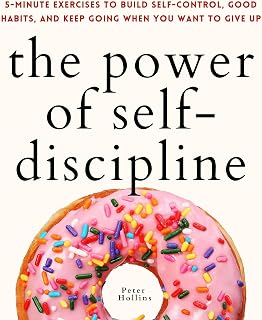 |
$0.00 (Audible) | 4.4 / 5 | 5-minute exercises for building self-control | Buy Now |
 |
$19.99 | 4.7 / 5 | Ancient Stoic secrets for mental toughness | Buy Now |
Each book serves a slightly different need. If you want a hardcore military mindset, go with Discipline Equals Freedom. If screen time is your biggest weakness, Digital Self-Discipline is a lifesaver. For quick daily wins, The Power of Self-Discipline works great.
Frequently Asked Questions About Self-discipline Value
What is self-discipline value in simple terms?
Self-discipline value is the long-term benefit you get from consistently choosing actions that align with your goals, even when you don’t feel like it. It’s the currency of personal growth.
How does self-discipline improve relationships?
It helps you control your emotions, keep commitments, and listen actively. These behaviors build trust and respect, which are the foundation of strong relationships.
Can self-discipline be learned?
Absolutely. Self-discipline is a skill, not a fixed trait. With practice, small daily habits, and the right strategies, anyone can increase their discipline.
What is the best book on self-discipline?
That depends on your style. No Excuses! by Brian Tracy is a solid all-rounder. Atomic Habits is excellent for habit design. Discipline Equals Freedom is great for a kick in the pants.
How long does it take to become self-disciplined?
You can see noticeable changes in 30 days if you commit to a structured plan like Self Discipline: 30 Days to Self Discipline. But lasting change takes months of consistent practice.
Final Thoughts: Your Next Step
The real payoff of self-discipline isn’t a gold star or a pat on the back. It’s the life you build—one choice at a time. Better work, deeper relationships, stronger health, and the ability to achieve goals that once felt impossible.
You don’t need to be perfect. You just need to start. Pick one area, one book, one small habit. The self-discipline value will multiply from there.
And if you want a structured guide, grab The Power of Discipline by Daniel Walter—it’s packed with actionable techniques to use self-control and mental toughness to achieve your goals.

Start today. Your future self will thank you.