
You know that feeling when your emotions hijack your best intentions? One minute you’re calm and focused, the next you’re reaching for comfort food or doom-scrolling for an hour. That’s your self-regulation UHV—or lack of it—showing up. Self-regulation UHV (Universal Human Values) isn’t just a fancy term. It’s the inner skill that helps you stay in control when life tries to knock you sideways. It’s the difference between reacting and responding, between feeling stuck and making progress.
At its core, self-regulation UHV is about managing your emotions, shaping your habits, and directing your attention where it matters most. When you master these three areas, self-discipline becomes second nature. You stop fighting yourself and start moving toward the life you actually want. Let’s dive into what this looks like and how you can build it starting today.
Table of Contents
Why Self-Regulation UHV Is the Foundation of Self-Discipline
Self-discipline often gets painted as gritting your teeth and forcing yourself to do hard things. But that approach burns out fast. Real self-discipline isn’t about willpower alone—it’s about self-regulation. It’s the ability to notice your impulses, pause, and choose a better action. Think of it as your brain’s air traffic control system. Without it, every distraction and emotional flare-up becomes a crisis.
Self-regulation UHV connects your actions to your deeper values. When you’re emotionally regulated, you don’t snap at a colleague over a small mistake. When your habits are aligned with your goals, you don’t need to battle temptation every hour. And when you control your attention, you actually finish what you start. That’s the real power of self-regulation UHV—it makes discipline feel less like a chore and more like a natural expression of who you are.

The Three Pillars of Self-Regulation UHV
Self-regulation UHV rests on three interconnected pillars. Ignore one, and your self-discipline wobbles. Strengthen all three, and you become nearly unstoppable.
1. Emotional Self-Regulation
Your emotions are signals, not commands. When you feel anger, anxiety, or frustration, your brain wants you to act fast. But acting fast isn’t always wise. Emotional self-regulation means acknowledging the feeling without letting it drive the bus. It’s the pause between the trigger and your response. That pause gives you space to ask: What’s really going on here? What do I value in this moment?
Practical example: Your boss gives critical feedback. Your chest tightens, your face heats up. Instead of snapping back, you take a deep breath and say, “Thank you, I’ll think about that.” That’s emotional self-regulation in action.
2. Habitual Self-Regulation
Your habits are automated patterns. Some serve you; others sabotage you. Self-regulation UHV in the habit domain means auditing your routines and intentionally reshaping them. You stop relying on motivation and start designing your environment so the right habits feel easy.
Key idea: Don’t try to change everything at once. Pick one tiny habit, anchor it to an existing routine, and repeat until it’s automatic. That’s the atomic approach to self-discipline.
3. Attentional Self-Regulation
Attention is your most valuable resource. Every time you check your phone in the middle of deep work, you pay a switching cost. Attentional self-regulation means protecting your focus like a guard dog. It means saying no to shiny distractions so you can say yes to what matters.
This pillar often gets overlooked, but it’s the one that makes the other two possible. Without focus, you can’t regulate emotions or build habits.
Practical Strategies for Emotional Self-Regulation
Name the Emotion to Tame It
When you feel a strong emotion, label it out loud or in your head. “I’m feeling anxious.” “I’m feeling frustrated.” Research shows that naming an emotion reduces its intensity. It moves activity from the amygdala (the alarm center) to the prefrontal cortex (the thinking center). Try it next time you’re about to lose your cool.
Use the 10-Second Rule
Before you react to anything, count to ten. It sounds simple, but it works. Ten seconds gives your rational brain time to catch up with your emotional brain. That tiny gap can prevent a regrettable email, a harsh word, or a poor decision.
Reframe the Story
Your emotions are often tied to the story you tell yourself. If you think, “My boss is out to get me,” you’ll feel angry. If you reframe to, “My boss is stressed and this feedback might help me grow,” you’ll feel more in control. You can’t always change the event, but you can always change the narrative.
Practical Strategies for Habitual Self-Regulation
Start with a Habit Audit
List all your daily habits. Circle the ones that move you toward your goals. Cross out the ones that hold you back. Be honest. Maybe it’s checking social media first thing in the morning, or procrastinating on that important task. Now choose one bad habit to replace with a good one. Don’t try to fix everything.
Use Implementation Intentions
Instead of saying “I’ll exercise more,” say “When I wake up, I will do ten push-ups before I check my phone.” This format (When [situation], I will [behavior]) makes the habit automatic. It removes the need for decision-making when your willpower is low.
Stack Habits
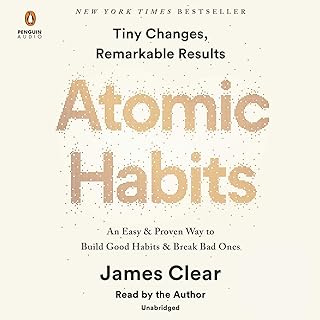
Habit stacking is a proven strategy from Atomic Habits. After your current habit (like brushing teeth), immediately do your new habit (like stretching for two minutes). The existing habit becomes a trigger for the new one.
Practical Strategies for Attentional Self-Regulation
Single-Task Like Your Life Depends On It
Multitasking is a myth. Your brain can only focus on one thing at a time. When you try to do two things, you’re just rapidly switching, and both suffer. For the next week, pick one task and give it your full attention until it’s done. No tabs, no notifications, no background noise.
Schedule Distraction Time
Ironically, trying to ignore distractions completely backfires. Instead, schedule specific times to check email, social media, or messages. Use a timer: 5 minutes every hour to catch up, then back to focus. This structure satisfies your need to stay connected without wrecking your flow.
Create a Digital Fortress
Turn off all non-essential notifications. Keep your phone in another room during deep work. Use apps that block distracting sites if you have to. Your attention is like a muscle—the more you protect it, the stronger it gets.
Books and Resources to Deepen Your Self-Regulation UHV
The best self-regulation UHV strategies are useless unless you practice them consistently. But you don’t have to figure everything out alone. These books offer roadmaps, insights, and daily reminders to keep you on track.

Comparison of Top Self-Discipline Books
| Product | Price | Rating | Image | Buy at Amazon |
|---|---|---|---|---|
| Atomic Habits: An Easy & Proven Way to Build Good Habits & Break Bad Ones | $0.00 (Audiobook) | 4.8 | |
Buy Now |
| The Power of Discipline: How to Use Self Control and Mental Toughness to Achieve Your Goals | $16.83 | 4.6 |  |
Buy Now |
| Discipline Equals Freedom: Field Manual Mk1-MOD1 | $12.93 | 4.7 | |
Buy Now |
| No Excuses!: The Power of Self-Discipline | $8.66 | 4.7 | |
Buy Now |
These aren’t just books—they’re operating manuals for your brain. Each one offers a slightly different angle on self-regulation UHV. Read one, apply the lessons, then pick another. The goal isn’t to own a library; it’s to build a better you.
How to Build a Self-Regulation UHV Routine
A routine locks in your progress. Without structure, you’ll drift back to old patterns. Here’s a simple daily framework to strengthen all three pillars of self-regulation UHV.
Morning: Set the Tone
- Emotion: Take three deep breaths before getting out of bed. Name how you’re feeling.
- Habit: Do one small habit you’ve been avoiding (make your bed, drink water, stretch).
- Attention: Spend the first 30 minutes of your day without screens. Read, journal, or just think.
Midday: Reset
- Emotion: If you feel stressed, step outside for two minutes. Look at a tree or the sky.
- Habit: Use a habit stack: after lunch, take a five-minute walk.
- Attention: Set a timer for 25 minutes of focused work, then a five-minute break. Repeat.
Evening: Reflect and Wind Down
- Emotion: Write down one thing you’re grateful for. This shifts your brain away from negativity.
- Habit: Review your habit audit. Did you do your target habit? If not, why?
- Attention: Turn off screens 30 minutes before bed. Read a physical book instead of scrolling.
You don’t have to do all of these perfectly. Start with one part of the day and build from there.
Common Obstacles to Self-Regulation UHV (And How to Overcome Them)
Obstacle 1: You Try to Do Too Much at Once
Many people burn out because they attempt a complete lifestyle overhaul overnight. Self-regulation UHV grows slowly. Pick one emotion to manage, one habit to change, and one attention strategy to implement. Focus on that for two weeks before adding anything else.
Obstacle 2: You Expect Perfection
You will slip up. You’ll snap at someone, skip your habit, or waste an hour on social media. That’s not failure—that’s feedback. Self-regulation UHV isn’t about never falling. It’s about how quickly you get back up. Forgive yourself and try again tomorrow.
Obstacle 3: You Don’t Have a System
Willpower is unreliable. Systems are not. If you want to regulate your attention, don’t rely on “I’ll try to focus.” Instead, use a website blocker. If you want to build a habit, don’t rely on “I’ll remember.” Put a visual cue in your path. Design your environment to make good choices easy and bad choices hard.
FAQ: Your Questions About Self-Regulation UHV Answered
What exactly is self-regulation UHV?
Self-regulation UHV stands for Universal Human Values. It’s the practice of managing your emotions, habits, and attention in alignment with your deepest values. It’s about becoming the person you want to be, not just the person you happen to be when life gets messy.
How is self-regulation different from self-discipline?
Self-discipline often focuses on doing what’s hard. Self-regulation is broader—it includes understanding your triggers, adjusting your environment, and choosing responses that serve you. Think of self-regulation as the engine and self-discipline as the car. You need both, but the engine runs first.
Can I improve self-regulation UHV if I’ve always struggled?
Absolutely. Self-regulation is a skill, not a fixed trait. Your brain changes with practice. Every time you pause before reacting or stick to a new habit, you strengthen the neural pathways for self-regulation. Start small and be consistent.
How long does it take to see results?
You’ll notice small wins within days—like catching yourself before an emotional outburst or completing a habit you’d normally skip. Lasting change usually takes weeks to months. The key is to keep practicing without judging yourself for imperfection.
Which book is best for someone new to self-regulation UHV?
Atomic Habits is a great starting point because it’s simple, science-backed, and immediately actionable. If you prefer a more philosophical approach, try The Power of Discipline or Discipline Equals Freedom.
The Bottom Line on Self-Regulation UHV
You’re not broken. You’re not lazy. You’re just lacking the right tools for self-regulation UHV. And that’s fixable. Every time you pause before reacting, every time you choose a good habit over a bad one, every time you protect your focus, you’re building a stronger version of yourself.
Start today. Pick one emotion to regulate, one habit to build, and one attention strategy to try. That’s it. The journey of self-discipline isn’t about giant leaps. It’s about the small, consistent acts of self-regulation that compound over time. You’ve got this.