
Bad habits feel like invisible chains. You know you should stop scrolling, quit snacking after midnight, or finally hit the gym. Yet when the moment comes, your brain hijacks your best intentions. Why?
Understanding the psychological mechanisms behind bad habits is the first step to breaking them. This deep dive will show you exactly what happens inside your mind, why willpower alone fails, and how to rewire your brain for lasting change. And because building better habits often starts with what you put in your body, we’ll also look at how a simple tool like protein powder can help replace old routines with new, healthier ones.
Let’s unpack the science.
Table of Contents
The Brain’s Reward System: Why Your Brain Loves Bad Habits
Your brain is wired to seek pleasure and avoid pain. Every bad habit—whether it’s biting your nails, smoking, or binge-eating sugar—hijacks this ancient survival system.
Dopamine is the key player. When you perform a rewarding behavior, your brain releases dopamine, creating a feeling of pleasure. Over time, your brain associates the cue (like stress) with the routine (eating junk food) and the reward (temporary relief). This forms a powerful habit loop:
| Component | Example |
|---|---|
| Cue | Feeling stressed after work |
| Routine | Ordering fast food or grabbing a candy bar |
| Reward | Temporary dopamine spike + sugar rush |
| Belief | “This helps me relax” |
The more you repeat the loop, the stronger the neural connection becomes. That’s why even after you decide to quit, the cue can trigger an automatic urge before you have time to think.
The Role of the Basal Ganglia: Automatic Pilot
Your brain has two main systems for behavior: the prefrontal cortex (decision-making, willpower) and the basal ganglia (automatic routines). Once a behavior becomes a habit, it gets stored in the basal ganglia. This frees up mental energy—but it also makes habits incredibly hard to override.
When you try to stop a bad habit, your prefrontal cortex must consciously suppress the automatic response. That takes effort, and it’s easily overwhelmed by stress, fatigue, or distraction. This explains why willpower depletes over the course of a day.
The Power of Context and Environment
Your environment is a silent trigger for many habits. The sight of your phone on the nightstand can cue endless scrolling. The smell of coffee can trigger a sugar craving. These contextual cues become part of the habit loop.
Research shows that simply changing your environment can weaken bad habits. For example, moving your alarm clock across the room forces you out of bed before you can hit snooze. Similarly, replacing the cookie jar with a tub of protein powder can shift your morning routine from sugar to nourishment.
Protein powder serves as a powerful replacement habit. It’s quick, satisfying, and supports muscle recovery—turning a potential junk-food ritual into a health-boosting one. Products like Optimum Nutrition Gold Standard 100% Whey Protein Powder, Double Rich Chocolate 1.98 Pound provide a convenient, delicious alternative that fits into any lifestyle.
Emotional Eating and Stress: The Vicious Cycle
Many bad habits are driven by emotional regulation. When you feel anxious, bored, or lonely, you may turn to a habit that numbs the feeling—like stress-eating chocolate or binge-watching TV.
This is because your brain’s amygdala (emotional center) can override the prefrontal cortex. Under stress, you’re more likely to fall back on old, familiar routines. This is why breaking habits is especially hard during tough times.
The key is to replace the routine without changing the cue and reward. For example:
- Cue: Stress from work
- Old routine: Eating a sugary snack
- New routine: Drinking a protein shake with Premier Protein Powder, Chocolate Milkshake
- Reward: Still get energy and satisfaction, but without the crash
The Dopamine Crash and Withdrawal
When you try to break a habit, your brain misses the expected dopamine spike. This creates a feeling of discomfort, craving, and even mild withdrawal. This is the opponent-process theory: the brain works to balance pleasure and pain. After a dopamine high, it creates a low.
This low makes you crave the habit even more, creating a cycle of relapse. Understanding that this feeling is temporary—and that your brain will rebalance—is crucial for staying on track.
Why “Just Stop” Never Works
Saying “just stop” ignores the deep neurological wiring. Instead, experts recommend habit substitution—replacing the bad habit with a good one that provides a similar reward. This is where protein powder shines as a replacement for unhealthy snacks.
A glass of Orgain Organic Vegan Protein Powder, Vanilla Bean 2.03 lb can satisfy a sweet tooth, provide steady energy, and help you feel full. It’s a simple swap that respects the habit loop while changing the outcome.
The Habit Loop in Action: Real-Life Examples
Let’s look at two common bad habits and how to rewire them using psychological principles and protein powder.
Example 1: Late-Night Snacking
- Cue: Watching TV in the evening
- Routine: Grabbing chips or cookies
- Reward: Salty/sweet satisfaction + comfort
- New routine: Mix a scoop of Dymatize ISO 100 Whey Protein Powder, Vanilla 5 Pound with milk or water. It’s quick, tastes like dessert, and provides protein instead of empty calories.
Example 2: Skipping Breakfast
- Cue: Morning rush
- Routine: Grab coffee and skip food
- Reward: Caffeine jolt + saving time
- New routine: Blend Premier Protein Powder, Vanilla Milkshake with ice for a 30g protein shake in under 60 seconds.
Cognitive Dissonance and Self-Justification
Another psychological barrier is cognitive dissonance. When your actions don’t match your beliefs, you feel mental discomfort. To reduce it, you justify the bad habit: “I deserve this treat,” “I’ll start fresh tomorrow,” or “One won’t hurt.”
This self-justification weakens your resolve. The solution is to expose the gap between your values and actions. Write down why you want to break the habit and read it daily. Then make a concrete plan, like setting out your Transparent Labs Grass-Fed Whey Protein Isolate, French Vanilla the night before, so you have a visible commitment.
The Role of Identity: “I’m Not That Person Anymore”
Lasting habit change comes from shifting your identity. Instead of “I’m trying to quit sugar,” think “I’m a person who fuels my body with clean protein.” When you see yourself as someone who makes healthy choices, the behavior follows.
Using a high-quality product like Body Fortress Super Advanced Whey Protein Powder, Vanilla reinforces that identity. Each shake becomes a small vote for the person you want to be.
How Long Does It Take to Break a Habit?
The famous “21 days” myth has been debunked. Research shows it takes anywhere from 18 to 254 days to form a new habit, with the average being 66 days. Breaking an old habit can take even longer because you’re also fighting withdrawal and entrenched neural pathways.
Patience and consistency are key. Use tools that simplify the process—like pre-portioned protein powder—to reduce friction.
The Science of Cravings and Environmental Design
Cravings are not just psychological. They’re also triggered by environmental cues—the sight of a donut box, the smell of pizza, the notification sound on your phone. To reduce cravings, design your environment for success.
- Keep trigger foods out of the house.
- Place your protein shaker and powder on the counter.
- Use a visual reminder, like a sticky note on the fridge.
Products like Six Star Whey Protein Powder, Triple Chocolate come in resealable bags that are easy to grab and use, making the healthy choice the convenient choice.
The Importance of Self-Compassion
Guilt and shame often follow a relapse, which can lead to more bad habits—a phenomenon called the ‘what-the-hell effect’. If you slip up, forgive yourself quickly and get back on track.
Think of it like training for a marathon. Even if you miss a day, you don’t quit. You just run the next day. The same applies to breaking habits.
Internal Links for Further Reading
To deepen your understanding of the psychology behind habit change, check out these related guides:
- The Psychology Behind Breaking Bad Habits: a Step-by-step Guide
- Breaking Bad Habits with Cbt: Practical Techniques That Work
Both articles provide actionable strategies that complement the mechanisms we’ve explored here.
Frequently Asked Questions
Q: Why is it so hard to break a bad habit even when I really want to?
A: Bad habits are stored in the basal ganglia, which automates behavior. Your prefrontal cortex has to override this automatic system, and that takes conscious effort, which depletes under stress or fatigue. The habit loop (cue-routine-reward) is reinforced by dopamine, making it feel rewarding even when you know it’s bad.
Q: Can protein powder really help break a bad habit?
A: Yes—by serving as a replacement routine. If you have a habit of reaching for sugary snacks when stressed or hungry, swapping in a protein shake can satisfy the same cue and reward (quick energy, taste satisfaction) without the negative health consequences. Protein also stabilizes blood sugar, which reduces cravings over time.
Q: How long does it take to rewire a habit neurologically?
A: Research suggests it takes an average of 66 days for a new habit to become automatic. Breaking an old habit can take longer because the neural pathway is already deeply established. Consistency and environmental design accelerate the process.
Q: What should I look for in a protein powder when trying to replace junk-food habits?
A: Choose one with minimal added sugar (to avoid feeding the sugar habit), high protein content (to promote satiety), and a flavor you genuinely enjoy. Whey isolates offer fast absorption; plant-based options work well for those with dairy sensitivities. See the product recommendations below.
Q: Is it better to go cold turkey or use habit substitution?
A: Habit substitution (replacing the bad behavior with a good one) is generally more effective than cold turkey because it preserves the cue and reward while changing the routine. This reduces the feeling of deprivation and withdrawal.
Product Recommendations: Protein Powders to Support Your Habit Change
Below are top-rated protein powders that can help you build a healthier routine. Click on any product image to view it on Amazon.

Optimum Nutrition Gold Standard 100% Whey Protein Powder, Double Rich Chocolate – $44.99 – ★4.6

Optimum Nutrition Gold Standard 100% Whey Protein Powder, Vanilla Ice Cream, 5 Pound – $79.99 – ★4.7
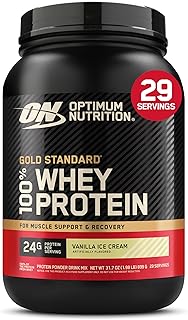
Optimum Nutrition Gold Standard 100% Whey Protein Powder, Vanilla Ice Cream, 2 Pound – $44.99 – ★4.7

Premier Protein Powder, Chocolate Milkshake – $25.97 – ★4.6

Orgain Organic Vegan Protein Powder, Vanilla Bean – $31.52 – ★4.5

Dymatize ISO 100 Whey Protein Powder, Vanilla 5 Pound – $108.99 – ★4.7

Premier Protein Powder, Vanilla Milkshake – $31.60 – ★4.6

Transparent Labs Grass-Fed Whey Protein Isolate – $59.99 – ★4.5

Body Fortress Super Advanced Whey Protein Powder, Vanilla – $45.28 – ★4.6

Six Star Whey Protein Powder, Triple Chocolate – $24.97 – ★4.5

Isopure Zero Carb 100% Pure Whey Isolate Protein Powder, Unflavored – $89.95 – ★4.4

Dymatize Elite 100% Whey Protein Powder, Rich Chocolate – $76.18 – ★4.6
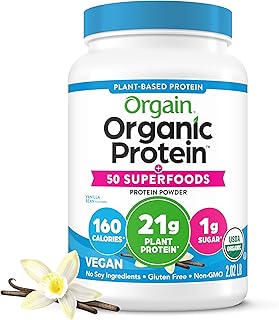
Orgain Organic Vegan Protein + 50 Superfoods Powder, Vanilla Bean – $34.15 – ★4.6

Dymatize x Fruity Pebbles ISO100 Whey Protein Powder Isolate – $42.48 – ★4.6

Dymatize Super Mass Gainer Protein Powder, Gourmet Vanilla – $39.98 – ★4.5

Levels Grass Fed Whey Protein Powder, Pure Chocolate, 2LB – $44.99 – ★4.5

Vital Proteins Collagen Peptides Powder, Unflavored – $18.65 – ★4.6

NAKED Whey Vanilla Protein Powder – $44.99 – ★4.1

Nutricost Whey Protein Concentrate (Chocolate) 5LBS – $74.95 – ★4.5

Orgain Organic Unflavored Vegan Protein Powder – $26.99 – ★4.3