
Habits shape your daily life, for better or worse. The good news? You can rewire them. Cognitive Behavioral Therapy (CBT) offers a proven, science-backed approach to breaking even the most stubborn patterns. And when you pair it with a simple nutritional shift—like swapping a sugary snack for a quality protein shake—you create a powerful, sustainable change.
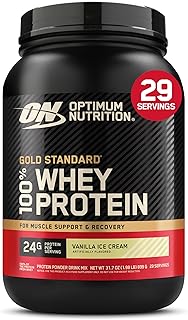
This guide walks you through the exact CBT techniques that work, why they work, and how to apply them immediately. You’ll learn to identify triggers, challenge unhelpful thoughts, and replace old habits with new ones that actually stick. Along the way, we’ll show how a smart choice like Optimum Nutrition Gold Standard 100% Whey Protein Powder can become a cornerstone of your new routine.
Table of Contents
What Is Cognitive Behavioral Therapy (CBT)?
CBT is a short-term, goal-oriented psychotherapy that focuses on the connection between thoughts, feelings, and behaviors. Unlike talk therapy that explores the past, CBT is action-driven. It helps you identify distorted thinking patterns and replace them with realistic, constructive ones.
The core idea is simple: your thoughts create your feelings, and your feelings drive your actions. By changing the thought, you change the behavior. This makes CBT exceptionally effective for breaking bad habits—from nail-biting and procrastination to emotional eating and late-night snacking.
Why Bad Habits Form and Stick – The CBT Perspective
Bad habits don’t appear out of nowhere. They are learned behaviors that once offered a reward—relief from stress, a dopamine hit, or a moment of escape. Over time, the brain creates a strong neural pathway: trigger → behavior → reward.
CBT explains this through the cognitive-behavioral model. A cue (e.g., feeling bored) triggers an automatic thought (“I need something sweet to perk up”). That thought leads to an urge, then an action (eating candy), and finally a temporary reward. The cycle repeats, strengthening the habit.
To break it, you must disrupt the loop at the thought or action stage. This is exactly what CBT tools are designed to do.
For a deeper dive into why habits resist change, read our guide on Why Bad Habits Are Hard to Break: Psychological Mechanisms Explained?.
The Core CBT Technique: The ABC Model
The ABC model is the foundation of CBT habit-breaking work. It stands for:
- A – Activating Event: The trigger or situation.
- B – Beliefs & Thoughts: Your interpretation of the event.
- C – Consequences: The emotional and behavioral outcome.
Example:
A = You walk past the vending machine at 3 p.m.
B = “I’m tired. A candy bar will give me energy.”
C = You buy the candy, feel a brief high, then crash.
The breakthrough happens when you challenge belief B. Instead of accepting it, you ask: Is that thought true? Is there another way to get energy? A protein shake, for instance, provides sustained energy without the sugar crash. The key is to insert a new behavior at C—one that aligns with your goals.
Practical CBT Techniques to Break Bad Habits
Here are the most effective CBT techniques you can start using today. Each one targets a different part of the habit loop.
1. Identify Your Triggers
You can’t change what you don’t notice. For one week, keep a simple log of your target habit. Write down:
- Time of day
- Location
- Emotional state (bored, stressed, happy)
- What you did right before
Look for patterns. Do you always reach for chips when you sit down to work? Do you scroll social media when you feel anxious? Once you see the trigger, you gain leverage.
2. Challenge Automatic Thoughts
Automatic thoughts are quick, unexamined beliefs that pop into your head. They often include distortions like:
- All-or-nothing thinking: “I already ate one cookie, so I might as well eat the whole box.”
- Emotional reasoning: “I feel like having a drink, so I must need one.”
- Catastrophizing: “If I don’t have my coffee ritual, I’ll be useless all day.”
Use the Socratic questioning technique:
What evidence supports this thought? What evidence contradicts it? What would I tell a friend who had this thought?
3. Behavioral Activation – Replace, Don’t Just Remove
Willpower alone rarely works. Instead of simply trying to stop a bad habit, replace it with a healthier behavior that meets the same underlying need.
- Need stress relief? Replace smoking with 5-minute deep breathing.
- Need a mid-afternoon energy boost? Replace a sugary soda with a glass of water and a scoop of protein powder. Consider Premier Protein Powder, Chocolate Milkshake—30g protein, 1g sugar, no soy.
Behavioral activation works because it preserves the reward (energy, comfort) while changing the action.
4. Cognitive Restructuring – Reframe the Reward
Many bad habits persist because we overvalue the immediate reward and undervalue the long-term consequence. Cognitive restructuring helps you shift that balance.
Create a cost-benefit analysis for your habit:
| Short-Term Benefits | Long-Term Costs |
|---|---|
| Instant pleasure | Weight gain, guilt |
| Temporary relief | Lower energy, poor health |
Then reframe: “I might feel good now, but I’ll feel worse later. Choosing a healthier option makes me proud and keeps me on track.”
5. Exposure and Response Prevention (ERP)
ERP is especially useful for compulsive habits like skin picking, hair pulling, or checking your phone. The idea is to expose yourself to the trigger without performing the habitual response.
- Example: You feel the urge to check Instagram. Instead, set a timer for 2 minutes and resist. Gradually increase the wait time.
- Over time, your brain learns that the urge fades on its own—you don’t have to act.
6. Implement Implementation Intentions
This is one of the most powerful, research-backed techniques. Formulate an if-then plan:
- If I feel hungry between meals, then I will drink a glass of water and have a protein shake.
- If I want to procrastinate, then I will work for just 5 minutes.
The specificity bypasses decision fatigue. Your brain automatically follows the plan when the cue appears.
How Protein Powder Fits Into Your Habit Change Journey
Replacing a bad habit with a good one is easier when the replacement is quick, satisfying, and nutritionally aligned. That’s where protein powder becomes a secret weapon.
- Time crunch: A shake takes 60 seconds to prepare.
- Cravings: Protein increases satiety and stabilizes blood sugar, reducing the urge for sugar crash cycles.
- Mental clarity: Balanced nutrition supports focus, making it easier to practice CBT techniques.
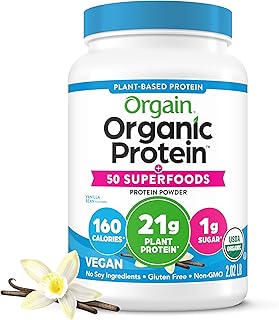
Consider keeping a tub of Orgain Organic Vegan Protein Powder, Vanilla Bean on your desk. When the 3 p.m. slump hits, mix a scoop instead of hitting the vending machine. You’ve just replaced an automatic thought (“I need sugar”) with a healthier response.
Case Study: Breaking the Late-Night Snacking Habit with CBT and Protein Shakes
Meet Sarah. Every night around 10 p.m., she found herself in the kitchen eating chips or cookies. She felt guilty, but couldn’t stop.
Using the ABC model, she identified:
A = Watching TV in the living room after dinner.
B = “I’m bored. Eating will make this show more enjoyable.”
C = Snacking, guilt, poor sleep.
Sarah challenged the thought: Is eating really making the show better? Or am I just mindless? She used implementation intentions: If I feel bored during TV, then I will make a warm vanilla protein shake.
She bought Optimum Nutrition Gold Standard 100% Whey Protein Powder, Vanilla Ice Cream, 5 Pound. The ritual of shaking, pouring, and sipping replaced the old pattern. Within two weeks, her nighttime snacking dropped to zero. The new habit stuck because it satisfied the same urge—a comforting, flavorful break—without the negative consequences.
Common Mistakes When Using CBT for Habit Breaking
Even with the best tools, people slip. Here are the pitfalls to avoid:
- Trying to change too many habits at once. Focus on one target habit until it’s automatic.
- Expecting perfection. Relapses are part of the process. Use them as learning data, not failure.
- Skipping the thought work. If you only change the behavior without addressing the underlying belief, the old habit will resurface.
- Neglecting self-care. CBT requires mental energy. Poor sleep, stress, or hunger weaken your ability to challenge thoughts.
Frequently Asked Questions
What is the ABC model in CBT?
The ABC model stands for Activating event, Beliefs/thoughts, and Consequences. It helps you trace how a trigger leads to an automatic thought, which then drives an emotional or behavioral response. By challenging the belief (B), you change the consequence (C).
How long does it take to break a habit with CBT?
Research suggests that replacement behaviors can become automatic in 18 to 66 days, depending on complexity and consistency. CBT techniques accelerate this by targeting the cognitive roots of the habit.
Can CBT help with emotional eating?
Absolutely. Emotional eating is often driven by automatic thoughts like “I need comfort” or “I deserve a treat.” CBT teaches you to identify those thoughts, challenge their validity, and choose a different coping strategy—such as a protein shake that provides satisfaction without guilt.
What is the difference between cognitive restructuring and behavioral activation?
Cognitive restructuring focuses on changing unhelpful thoughts, while behavioral activation involves changing actions directly. Both are powerful and often used together. For habit breaking, start with identifying distorted thoughts, then follow with a concrete action replacement.
When should I seek professional CBT help?
If a habit severely impacts your health, relationships, or daily functioning—or if you’ve tried self-guided techniques without success—a licensed CBT therapist can provide tailored support. Many now offer online sessions.
Related Reading
Deepen your understanding of habit psychology with these companion guides:
- The Psychology Behind Breaking Bad Habits: A Step-by-Step Guide
- Why Bad Habits Are Hard to Break: Psychological Mechanisms Explained?
Top Protein Powders to Support Your New Healthy Routine
The following products are excellent choices for replacing unhealthy snacks, supporting muscle recovery, or simply adding a nutrient-dense habit to your day. Click any image to view the product on Amazon.






| Product | Price | Rating | Best For |
|---|---|---|---|
| Optimum Nutrition Gold Standard Double Rich Chocolate 1.98lb | $44.99 | 4.6 | All-around whey |
| Optimum Nutrition Gold Standard Vanilla Ice Cream 5lb | $79.99 | 4.7 | Bulk value |
| Optimum Nutrition Gold Standard Vanilla Ice Cream 2lb | $44.99 | 4.7 | Smaller tub |
| Premier Protein Chocolate Milkshake 41.9oz | $25.97 | 4.6 | Low sugar, ready-to-drink style |
| Orgain Organic Vegan Protein Vanilla Bean 2.03lb | $31.52 | 4.5 | Plant-based, organic |
| Dymatize ISO 100 Vanilla 5lb | $108.99 | 4.7 | Hydrolyzed isolate, zero carbs |
| Premier Protein Vanilla Milkshake 23.3oz | $31.60 | 4.6 | Low sugar, whey isolate |
| Transparent Labs French Vanilla 30 servings | $59.99 | 4.5 | Grass-fed, clean ingredients |
| Body Fortress Super Advanced Whey Vanilla 3.9lb | $45.28 | 4.6 | Immune support + protein |
| Six Star Whey Protein Plus Triple Chocolate 1.82lb | $24.97 | 4.5 | Budget-friendly |
| Isopure Zero Carb Unflavored 3lb | $89.95 | 4.4 | Zero carb, unflavored |
| Dymatize Elite Rich Chocolate 5lb | $76.18 | 4.6 | Classic whey, great taste |
| Orgain Organic Protein + 50 Superfoods Vanilla 2.02lb | $34.15 | 4.6 | Protein + superfoods |
| Dymatize x Fruity Pebbles ISO100 20 servings | $42.48 | 4.6 | Fun flavor, isolate |
| Dymatize Super Mass Gainer Gourmet Vanilla 8 servings | $39.98 | 4.5 | Mass gainer, 52g protein |
| Levels Grass Fed Whey Pure Chocolate 2lb | $44.99 | 4.5 | Grass-fed, no artificials |
| Vital Proteins Collagen Peptides Unflavored 9.33oz | $18.65 | 4.6 | Collagen, joint health |
| Naked Whey Vanilla Protein Powder 24 servings | $44.99 | 4.1 | Simple ingredients, 3 ingredients |
| Nutricost Whey Protein Concentrate Chocolate 5lb | $74.95 | 4.5 | Budget bulk concentrate |
| Orgain Organic Vegan Unflavored 1.59lb | $26.99 | 4.3 | Unsweetened, plant-based |
Choose the protein powder that aligns with your dietary needs and taste preferences. Pair it with the CBT techniques above, and you’ll have a practical, sustainable system for breaking bad habits and building a stronger, healthier life.