
Habits define your daily life. The small actions you repeat shape your health, productivity, and happiness. Yet breaking a bad habit often feels impossible. You know you should stop. You want to stop. But your brain keeps pulling you back.
Understanding the psychology behind breaking bad habits is the first step toward real change. This guide dives deep into the science of habit formation, offers a practical step-by-step plan, and shows how replacing a destructive habit with a healthy one—like using a quality protein powder after a workout—can rewire your brain for success.
Table of Contents
Why Bad Habits Stick: The Neuroscience of Automatic Behavior
Every habit follows a three-part loop: cue, routine, reward. Your brain learns to associate a trigger with a behavior that delivers a payoff. Over time, this loop becomes automatic.
- Cue – A signal that triggers the habit (stress, boredom, time of day).
- Routine – The behavior itself (smoking, scrolling, snacking).
- Reward – The positive feeling or relief that reinforces the habit (dopamine release).
The problem is that bad habits often give an immediate reward, while the consequences are delayed. Your brain prioritizes short-term pleasure over long-term health.
Key insight: You cannot simply “erase” a habit. The neural pathways are too strong. But you can replace the routine while keeping the same cue and reward.
This is where understanding the psychological mechanisms that make habits hard to break becomes essential.
The Role of Dopamine in Habit Loops
Dopamine is the brain’s “reward chemical.” It spikes when you anticipate something pleasurable. The more dopamine a habit releases, the harder it is to quit.
- Anticipation – Just thinking about your habit (e.g., a sugary snack) releases dopamine.
- Compulsion – You feel a strong urge to act because the brain craves the reward.
- Desensitization – Over time, you need more of the habit to get the same hit.
Example: Reaching for a late-night candy bar becomes automatic because your brain remembers the sugar rush. But if you replace it with a protein shake (which stabilises blood sugar), you can still get a reward without the crash.
Step 1: Identify Your Cue and Reward
Before you break a habit, you must understand it. For one week, log every time you perform the unwanted behavior. Ask three questions:
- What was the cue? (time, emotion, location, person, preceding action)
- What was the routine? (the exact behavior)
- What was the reward? (the feeling you got – calm? excitement? relief?)
Example – Late-night snacking:
- Cue: 10 PM, sitting on the couch
- Routine: Eating chips
- Reward: Stress relief / distraction
Once you know the cue and reward, you can design a new routine that delivers a similar payoff.
Step 2: Choose a Replacement Routine
The most effective way to break a bad habit is to substitute the routine, not eliminate it. Keep the same cue and reward, but change the action.
- If the cue is boredom and the reward is mental stimulation, try reading for five minutes.
- If the cue is stress and the reward is calm, try deep breathing or a short walk.
- If the cue is post-workout fatigue and the reward is energy, drink a premier protein powder shake instead of reaching for a sugary energy drink.
Case study: A man who smoked every time he drove replaced the cigarette with a piece of gum. The cue (driving) and reward (oral stimulation) stayed the same. He quit within three weeks.
Step 3: Use Implementation Intentions
Research shows that specific “if-then” plans dramatically increase follow-through.
- If [cue happens], then I will [new routine].
Example:
- “If I feel the urge to check my phone at 3 PM, then I will stand up and stretch for 60 seconds.”
- “If I finish my workout, then I will immediately mix a vanilla protein shake.”
Implementation intentions create a mental link between the cue and the new behavior, making the replacement automatic.
Step 4: Manage Your Environment
Willpower is a limited resource. The best way to break a bad habit is to make the wrong choice harder and the right choice easier.
- Remove triggers: If you want to stop eating junk food, don’t keep it in your house.
- Add friction: Unsubscribe from shopping emails, delete social media apps.
- Reduce barriers: Have your protein powder pre-portioned in a shaker cup. Place your running shoes by the door.
Practical tip: If your bad habit is skipping breakfast (which leads to poor food choices later), prepare a premier protein powder shake the night before. Zero effort in the morning means you’re more likely to follow through.
Step 5: Use the “20-Second Rule”
From behavioral scientist Shawn Achor: to start a good habit, reduce the activation energy to under 20 seconds. To stop a bad habit, increase it to over 20 seconds.
- Bad habit: Keep the TV remote in a drawer that takes 30 seconds to open.
- Good habit: Place a Dymatize ISO 100 scoop on your counter so you can make a shake in 15 seconds.
This principle works because your brain is lazy. A tiny barrier can stop a habit; a tiny boost can start one.
Step 6: Track Your Progress and Reward Yourself
Habit tracking provides immediate feedback and reinforces the loop. Each time you perform the new routine, mark it on a calendar. Visual progress boosts dopamine.
- Use a habit tracker app or a simple paper checklist.
- After seven consecutive days, give yourself a non-food reward (e.g., a new book, a massage).
Food reward warning: Avoid using food as a reward if you’re trying to break an eating-related habit. Instead, reward with experiences or items that support your new identity.
Step 7: Reframe Failure as Data
No one is perfect. When you slip—and you will—don’t spiral into guilt. Analyze what happened.
- What cue triggered the relapse?
- Did the replacement routine feel unsatisfying?
- Do you need a different reward?
Example: You planned to have a protein shake after work, but you ended up grabbing a donut. Maybe the shake wasn’t sweet enough. Try a chocolate-flavored Orgain Organic Vegan Protein to satisfy the sweet tooth.
Resilience tip: One slip does not erase your progress. The brain learns from mistakes. Use every relapse to refine your plan.
The Hidden Power of Identity-Based Habits
James Clear, author of Atomic Habits, argues that lasting change happens when you shift your identity.
- Instead of “I’m trying to quit snacking,” say “I’m the kind of person who fuels their body with clean protein.”
- Instead of “I’m breaking the habit of skipping workouts,” say “I’m a person who prioritises recovery with a collagen shake after every session.”
When the new habit becomes part of how you see yourself, it sticks without constant willpower.
Step 8: Build a Supportive Community
Accountability amplifies results. Share your goal with a friend or join an online group. Tell them you’re replacing your afternoon soda with a Body Fortress protein shake. Ask them to check in.
- Social accountability increases commitment by up to 65%.
- Co-habit changes can make the process more fun. Try swapping bad habits with a partner.
How Long Does It Take to Break a Habit?
The famous “21 days” myth is not supported by science. A study from University College London found the average time to form a new habit is 66 days, but it can range from 18 to 254 days depending on complexity.
- Simple replacements (e.g., water instead of soda) may take 2–3 weeks.
- Complex changes (e.g., consistent gym + nutrition) can take several months.
Patience is key. Focus on consistency, not speed. Each day you perform the new routine, you strengthen the neural pathway.
Cognitive Behavioral Therapy (CBT) Techniques for Habits
CBT offers several practical tools that work directly on habit loops.
- Cognitive restructuring: Identify irrational beliefs that drive the habit (e.g., “I need sugar to get through the afternoon”).
- Behavioural experiments: Test the belief. Skip the sugar and drink a vegan protein shake instead. Notice if your energy actually crashes.
- Stimulus control: Remove cues and add friction as discussed.
For a deeper dive, explore Breaking Bad Habits with CBT: Practical Techniques That Work.
Why Protein Powder Is an Ideal Replacement for Many Bad Habits
Protein powder might seem unrelated to habit change, but it fits perfectly as a replacement routine. Consider common bad habits:
| Bad Habit | Cue (often) | Reward (often) | Protein Powder Replacement |
|---|---|---|---|
| Late-night snacking | Boredom | Sensory satisfaction | A warm vanilla shake |
| Skipping breakfast | Rushed morning | Convenience | Pre-made shake |
| Afternoon candy craving | Energy dip | Quick energy | Whey isolate with coffee |
| Post-workout junk food | Physical fatigue | Recovery feeling | Fast-digesting hydrolysed whey |
Protein powder delivers a reward—fullness, stable energy, muscle repair—without the negative health consequences. That makes it an excellent substitute
Top Protein Powders to Support Your Habit Change
Ready to put psychology into practice? Here are some of the best protein powders to replace bad habits with healthy ones. Click on any image to see the product on Amazon.

Optimum Nutrition Gold Standard 100% Whey – Double Rich Chocolate, 1.98 lb – $44.99 – ⭐4.6

Optimum Nutrition Gold Standard – Vanilla Ice Cream, 5 lb – $79.99 – ⭐4.7

Premier Protein Powder – Chocolate Milkshake, 29 servings – $25.97 – ⭐4.6

Orgain Organic Vegan Protein – Vanilla Bean, 2.03 lb – $31.52 – ⭐4.5

Dymatize ISO 100 – Vanilla, 5 lb – $108.99 – ⭐4.7

Transparent Labs Grass-Fed Whey – French Vanilla, 30 servings – $59.99 – ⭐4.5

Body Fortress Super Advanced Whey – Vanilla, 3.9 lb – $45.28 – ⭐4.6

Six Star Whey Protein Plus – Triple Chocolate, 1.82 lb – $24.97 – ⭐4.5

Isopure Zero Carb – Unflavored, 3 lb – $89.95 – ⭐4.4

Dymatize Elite 100% Whey – Rich Chocolate, 5 lb – $76.18 – ⭐4.6
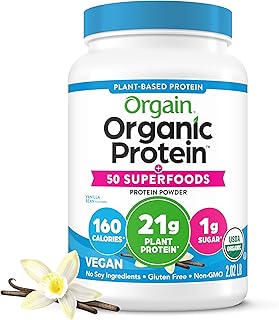
Orgain Organic Protein + 50 Superfoods – Vanilla Bean, 2.02 lb – $34.15 – ⭐4.6

Dymatize x Fruity Pebbles ISO100 – 20 servings – $42.48 – ⭐4.6

Dymatize Super Mass Gainer – Gourmet Vanilla, 8 servings – $39.98 – ⭐4.5

Levels Grass Fed Whey – Pure Chocolate, 2 lb – $44.99 – ⭐4.5

Vital Proteins Collagen Peptides – Unflavored, 9.33 oz – $18.65 – ⭐4.6

NAKED Whey Vanilla – 24 servings – $44.99 – ⭐4.1

Nutricost Whey Protein Concentrate – Chocolate, 5 lb – $74.95 – ⭐4.5

Orgain Organic Unflavored Vegan Protein – 1.59 lb – $26.99 – ⭐4.3
FAQ: Breaking Bad Habits Psychology
Q1: How long does it really take to break a bad habit?
The average time is 66 days, but it varies widely. Simple habits may change in 2–3 weeks, while complex ones can take months. The key is consistent replacement of the routine.
Q2: Why is it so hard to break a habit even when I know it’s bad?
Your brain has built strong neural pathways that fire automatically. The reward (dopamine) reinforces the behavior regardless of logic. You must replace the routine, not just try to stop.
Q3: Can protein powder help break a bad eating habit?
Yes. Protein powder can replace high-sugar, high-fat snacks by providing a satiating, nutrient-dense alternative. It keeps your reward system satisfied without the negative health effects.
Q4: What if I relapse?
Relapse is part of the process. Analyze the trigger, adjust your plan, and try again. Each attempt strengthens your understanding of the habit loop.
Q5: Should I use a habit tracker?
Absolutely. Tracking provides visual proof of progress and reinforces the new habit. It also helps you identify patterns that lead to relapse.
Q6: Is willpower enough to break a habit?
No. Willpower depletes. The most sustainable method is environment design and routine substitution, which reduce reliance on willpower.
Q7: How does CBT help with breaking habits?
CBT helps you challenge the irrational thoughts that drive habits, then test new behaviors through experiments. It also uses stimulus control and behavioral activation.