
You’ve been crushing your weight loss routine for weeks. Then suddenly, the scale stops moving. Your clothes fit the same. Your energy dips. Plateau confusion sets in, and doubt creeps up.
That frustrating stall isn't a sign of failure. It's a signal that your body has adapted to your current habits. Without a structured weekly check-in system, you’re essentially flying blind. You need a simple review process to catch plateaus early, adjust your strategy, and reclaim your momentum.
A weekly check-in does more than track weight. It reveals hidden patterns, measures real progress, and keeps you connected to your deeper why. When you know exactly what to look for, plateau confusion disappears.
Table of Contents
Why Plateaus Happen (And Why They Confuse Us)
Weight loss plateaus are biologically normal. Your body is wired for survival, not rapid fat loss. Over time, your metabolism slows as you lose mass, and your energy expenditure decreases. This is called adaptive thermogenesis.
But here’s what most people miss: plateaus often aren’t fat loss stalls. They’re water retention, muscle gain, or simply the natural fluctuations of a female or male body. Without a review system, you mistake these normal shifts for failure.
Confusion grows because you rely on a single number: the scale. That number lies more often than it tells the truth. A weekly check-in gives you context. It shows you the full picture.
The Simple Review System: Your Weekly Check-in Framework
This system takes 15 minutes, once per week. You don’t need a spreadsheet or a complex app. A notebook or notes app works perfectly.
Step 1: Pick a consistent day and time.
Choose a day that feels low-pressure, like Sunday morning. Same time, same conditions (fasting, after bathroom, minimal clothing). Consistency eliminates variables.
Step 2: Measure three key inputs.
Track your average daily calories, your total weekly exercise minutes, and your sleep quality (scale of 1-10). These are the levers you actually control.
Step 3: Measure three key outputs.
Weigh yourself, take one waist measurement, and rate your energy/mood (scale of 1-10). These tell you if your inputs are working.
Step 4: Review the data, not the emotion.
Look for trends over 2-3 weeks, not daily spikes. If your waist is shrinking but the scale isn’t moving, you are losing fat. That’s a win.
Step 5: Make one small adjustment.
If you’ve stalled for two weeks, adjust one variable: reduce calories by 100-200, add 10 minutes of cardio, or improve sleep hygiene. Then wait another week before changing anything else.
What to Track Each Week (Beyond the Scale)
The scale is a terrible judge of progress. Here’s what actually reveals your trajectory.
- Waist circumference: Measures visceral fat loss. More reliable than weight.
- Photos: Take front, side, and back photos monthly. Visual changes appear long before the scale moves.
- How your clothes fit: A simple “looser, tighter, or same” rating for your favorite jeans.
- Energy levels: Low energy often means under-eating or poor sleep.
- Strength or endurance: If you can do more reps or walk further, your body composition is improving.
Tracking these five signals weekly eliminates plateau confusion. You’ll see progress even when the scale stays flat.
Tools and Supplements That Support Your Weekly Check-ins
Your review system works best when your body is properly supported. Smart supplementation can help you break through stalls and maintain consistency.

Thermogenic Fat Burner Brazilian Lean supports metabolic warmth and reduces bloating. At $9.99 with a 4.1 rating, it’s an affordable addition for women and men looking to support fat metabolism. Combined with your weekly check-ins, it helps you notice real fat loss rather than water weight fluctuations.

OLLY Metabolism Gummy Rings deliver apple cider vinegar, vitamin B12, and chromium in a tasty chewable format. Priced at $16.97 with a 4.3 rating, these gummies support energy and digestion. When your check-in reveals low energy or digestive bloat, this is a smart addition.

Nature's Bounty Chromium Picolinate (800 mcg, $7.49, 4.5 rating) supports fat, protein, and sugar metabolism. If your weekly check-in shows sugar cravings or sluggish metabolism, this mineral supplement helps stabilize blood sugar and energy.
Real Data: How Prescription Options Fit Into Your Review System
For some individuals, prescription weight loss aids are a useful tool when combined with a weekly check-in system. These should always be discussed with a healthcare provider.

Zepbound (starting at $25.00) is a prescription injectable that can significantly reduce appetite. When tracking weekly, you’ll notice consistent calorie deficits and steady fat loss. This is not a standalone solution—it works best when you review your energy, digestion, and waist measurements weekly.
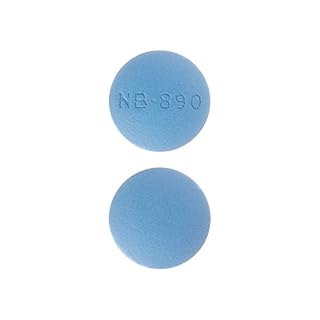
Contrave (starting at $50.00) combines bupropion and naltrexone to curb cravings. Your weekly check-in will reveal whether your food urges are decreasing. If they aren’t, you may need to adjust dosage (with your doctor) or combine with other habits.
Comparison Table: Top Supplements for Your Weekly Check-in System
| Product | Price | Rating | Key Benefit | Buy at Amazon |
|---|---|---|---|---|
| Thermogenic Fat Burner Brazilian Lean | $9.99 | 4.1 | Bloating reduction + thermogenesis | |
| OLLY Metabolism Gummy Rings | $16.97 | 4.3 | Energy + digestion support | |
| Nature's Bounty Chromium Picolinate | $7.49 | 4.5 | Blood sugar & metabolism regulation | |
| alli Weight Loss Diet Pills (Orlistat) | $65.99 | 4.2 | Blocks dietary fat absorption |  |
| Premium Liquid Collagen + L-Carnitine | $26.95 | 4.4 | Hair, skin & fat metabolism support |  |
| ZELUS Weighted Vest (6-30 lbs) | $28.98 | 4.6 | Increases calorie burn during walks/runs | 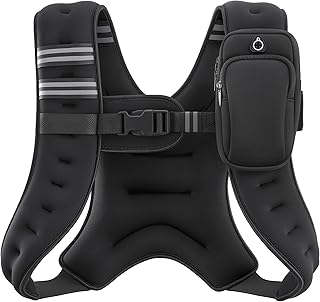 |
| Purely Inspired 7-Day Detox Cleanse | $9.99 | 4.2 | Whole body cleanse + digestive enzymes |  |
| alli Weight Loss Diet Pills (120 ct) | $65.99 | 4.2 | Clinically proven fat blocker | |
How to Adjust Your Approach Based on Weekly Data
Your check-in system is only useful if you act on it. Here’s how to respond to common patterns.
Pattern: Scale is flat, waist is shrinking.
You are losing fat and gaining muscle. Do nothing different. Keep doing exactly what you’re doing. This is the best kind of progress.
Pattern: Scale is flat, waist is flat, energy is low.
You may be under-eating or over-training. Increase calories by 150-200 for one week. Add one rest day. Reassess next check-in.
Pattern: Scale is up, waist is up, clothes feel tight.
You are likely in a calorie surplus or retaining water. Reduce sodium, increase water intake, and check your average calories for the week. Consider a gentle detox support like Purely Inspired 7-Day Detox Cleanse ( $9.99, 4.2 rating) to reset digestion.
Pattern: Scale is down, waist is flat, strength is dropping.
You may be losing muscle. Increase protein intake, reduce cardio, and add resistance training. A weighted vest like ZELUS Weighted Vest ( $28.98, 4.6 rating) can preserve muscle while burning extra calories.
Sample Weekly Check-in Template
Use this simple format every week. Print it, copy it, or keep it in your notes app.
Date: [Date]
Weight: [lbs or kg]
Waist: [inches/cm]
Energy (1-10): [Score]
Avg Daily Calories: [Number]
Weekly Exercise Minutes: [Number]
Sleep Quality (1-10): [Number]
Clothes Fit: Looser / Same / Tighter
One Adjustment for Next Week: [One change]
Stick with this for four weeks. You’ll see patterns emerge. More importantly, you’ll stop panicking when the scale doesn’t move.
Final Words: Consistency Beats Intensity
Plateau confusion thrives on inconsistency. You binge-train for a week, then crash. You weigh yourself every day and spiral over water fluctuations. Your weekly check-in system replaces chaos with clarity.
Remember: progress is not linear. It’s a spiral of small wins, stalls, and breakthroughs. With a simple review system, you navigate that spiral with confidence. You adjust without guilt. You keep moving forward.
Your journey is yours. Track it weekly. Trust the data. And let your check-ins guide you, not confuse you.