
When you’re working toward weight loss, the numbers on the scale can feel like the ultimate judge of your effort. But here’s the truth: the scale is a lagging indicator. By the time it moves, the real work has already happened elsewhere.
The signals that genuinely predict your results come from three daily behaviors you can track right now: steps, workouts, and sleep. These three metrics don’t just reflect progress—they drive it. When you start measuring them consistently, you unlock a feedback loop that accelerates fat loss and keeps you motivated.
In this guide, we’ll explore exactly how each signal works, how to track them effectively, and which tools (including top-rated Amazon finds) can help you stay on course.
Table of Contents
Why Tracking Matters More Than Willpower
Willpower is a limited resource. Data, on the other hand, is renewable. When you log your steps, record your workout intensity, and monitor your sleep quality, you turn abstract goals into concrete numbers. You can spot patterns, correct course, and celebrate small wins long before the scale budges.
Research shows that people who self-monitor their physical activity and sleep lose significantly more weight than those who don’t. Tracking creates accountability and reveals what’s actually working.
Steps: The Foundation of Daily Energy Expenditure
Your step count is the most accessible indicator of non‑exercise activity thermogenesis (NEAT). NEAT is the energy you burn doing everything except sleeping, eating, or formal exercise. For most people, it represents the largest variable in daily calorie burn.
Why steps predict weight loss:
- Walking is low‑impact and sustainable. You can accumulate 10,000+ steps without burnout.
- Higher step counts directly increase your total daily energy expenditure (TDEE), creating a calorie deficit without extra hunger.
- Consistently hitting a daily step goal builds a habit that spills into better food choices and more movement throughout the day.
Aim for 8,000–12,000 steps per day. If you’re currently sedentary, start at 5,000 and add 500 every week. Use a fitness tracker or a simple phone app.
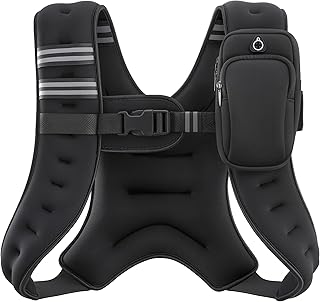
To make your walks more effective and build muscle simultaneously, consider adding a weighted vest. The ZELUS Weighted Vest (available in 6–30 lb options, rated 4.6) adds resistance that boosts calorie burn and strengthens your core without extra time.
Workouts: Measuring Intensity and Volume
Tracking workouts goes beyond checking a box. The specific signals you record—sets, reps, duration, heart rate, perceived exertion—tell you whether you’re progressing or plateauing.
Key workout signals that predict fat loss:
- Volume load (weight × reps × sets) indicates muscle‑building stimulus. More muscle = higher resting metabolism.
- Training frequency per muscle group ensures enough stimulation for growth.
- Heart rate zones show how much time you spend in the fat‑burning and cardio zones.
- Progressive overload (adding weight or reps over time) is the single best predictor of long‑term results.
For fat loss, combine resistance training (3–4 days per week) with moderate‑intensity cardio (like brisk walking or cycling). Log every session in an app or notebook.
Supplements can support your metabolism during this phase. Nature’s Bounty Chromium Picolinate (800 mcg, 50 tablets, $7.49, rated 4.5) helps metabolize fat, protein, and carbohydrates. Many users report better energy stability, which supports consistent workouts.

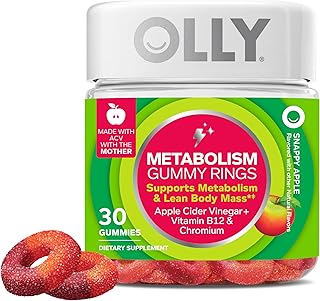
Another popular option is OLLY Metabolism Gummy Rings (apple cider vinegar, B12, chromium, $16.97, rated 4.3). These tasty gummies support energy and digestive health—perfect for pre‑workout or mid‑day fuel.
Sleep: The Underrated Fat‑Loss Signal
Sleep is when your body repairs muscle, balances hunger hormones, and consolidates fat‑burning processes. Poor sleep sabotages even the best diet and exercise plan.
How sleep quality predicts results:
- Leptin (fullness hormone) drops when you’re sleep‑deprived, making you hungrier.
- Ghrelin (hunger hormone) spikes, increasing cravings for high‑calorie foods.
- Cortisol rises with poor sleep, promoting belly fat storage and muscle breakdown.
- Recovery suffers, reducing your next day’s workout intensity.
Aim for 7–9 hours of quality sleep per night. Track duration, wake‑ups, and morning refreshness. Use a wearable or a simple sleep diary.
To support better sleep and overall metabolism, some people turn to gentle detox cleanses. Purely Inspired 7-Day Detox Cleanse (42 capsules, $9.99, rated 4.2) uses senna leaf, apple cider vinegar, and probiotics to aid digestion. A cleaner digestive system often leads to deeper, more restorative sleep.

How These Three Signals Work Together
Tracking steps, workouts, and sleep individually is useful, but together they form a predictive trifecta.
| Signal | Direct Impact on Fat Loss | Indirect Benefit |
|---|---|---|
| Steps | Increases NEAT, burns calories without hunger | Lowers stress, improves mood |
| Workouts | Builds muscle, raises resting metabolism | Increases insulin sensitivity |
| Sleep | Regulates hunger hormones, reduces cortisol | Improves recovery and workout performance |
When you see a drop in steps, a skipped workout, or a string of poor sleep nights, you can predict a stall in your weight loss. Conversely, when all three improve simultaneously, fat loss accelerates.
Simple tracking routine: Every morning, rate your sleep 1–10. At night, log your steps and the workout you completed (or why you skipped). After two weeks, look for correlations—you’ll find that one good night of sleep often leads to a higher step count the next day, which fuels a better workout.
Real Tools to Support Your Tracking Journey
Beyond the digital apps and wearables, certain products can make your progress smoother. Here’s a comparison of highly rated Amazon options that complement your tracking efforts.
| Product | Image | Price | Rating | Buy at Amazon |
|---|---|---|---|---|
| ZELUS Weighted Vest | |
$28.98 | 4.6 | Buy Now |
| Nature’s Bounty Chromium Picolinate | |
$7.49 | 4.5 | Buy Now |
| OLLY Metabolism Gummy Rings | |
$16.97 | 4.3 | Buy Now |
| Purely Inspired 7-Day Detox Cleanse | |
$9.99 | 4.2 | Buy Now |
| Thermogenic Fat Burner Brazilian Lean |  |
$9.99 | 4.1 | Buy Now |
| alli Weight Loss Diet Pills |  |
$65.99 | 4.2 | Buy Now |
| Premium Liquid Collagen for Women |  |
$26.95 | 4.4 | Buy Now |
| Zepbound |  |
$25.00 | — | Buy Now |
| Contrave |  |
$50.00 | — | Buy Now |
| Phendimetrazine |  |
$4.00 | — | Buy Now |
Note: Zepbound, Contrave, and Phendimetrazine are prescription medications available through Amazon Pharmacy. Always consult a healthcare provider before using.
FAQ: Tracking Progress Signals
How do I start tracking steps, workouts, and sleep without feeling overwhelmed?
Begin with just one metric—steps. Use your phone’s built‑in pedometer or a free app. After a week, add workout logging (just the type and duration). Once that’s routine, add sleep tracking. Gradual layering prevents burnout.
What’s the best way to track sleep quality?
A wearable device (like a Fitbit or Apple Watch) gives objective data on duration, deep/REM stages, and disturbances. If you don’t have one, rate your sleep on a 1–10 scale each morning and note any wake‑ups.
Can I lose weight just by increasing my step count and sleeping better, without intense workouts?
Absolutely. Many people achieve significant fat loss by boosting NEAT (steps) and improving sleep quality, which balances appetite hormones. However, adding resistance training will accelerate results and preserve muscle.
How do I know if my progress signals are pointing in the right direction?
Look for consistent upward trends: steps increasing week over week, workout intensity or volume gradually rising, and sleep quality averaging 7+ hours with few disruptions. Even if the scale doesn’t move for a couple of weeks, these signals predict future fat loss.
Which supplement should I try first for metabolism support?
Start with a chromium supplement like Nature’s Bounty Chromium Picolinate—it’s affordable and well‑studied. Pair it with consistent tracking for a few weeks to see how it affects your energy and cravings.
Conclusion
Weight loss is not a mystery. It’s a feedback loop. By tracking the three core progress signals—steps, workouts, and sleep—you equip yourself with real‑time data that predicts results before the scale does. You stop guessing and start steering.
Start today: log your steps, plan your next workout, and prioritize 7+ hours of sleep. Use the tools that fit your lifestyle, and watch the numbers line up in your favor. Your future self will thank you.