
You step on the scale. The number drops—you’re thrilled. The next day, it jumps up two pounds. Suddenly, your mood spirals. Sound familiar? Weighing yourself can feel like emotional roulette. But here’s the truth: how often you check progress matters more than you think.
Most people either obsess over daily weigh-ins or avoid the scale entirely. Neither extreme helps. The real key lies in finding a balanced weigh-in frequency that keeps you motivated without derailing your mental health. Whether you’re tracking progress for weight loss, muscle gain, or general wellness, the right approach makes all the difference.
And while the scale is one measure, several tools and supplements can support your journey. For example, options like Zepbound and Contrave are prescription aids that some people use under medical supervision. But let’s start with the core question.

Table of Contents
The Great Weigh-In Debate: Daily vs. Weekly
Experts are split. Some recommend daily weigh-ins for accountability. Others say weekly is best to avoid water-weight noise. So who’s right?
Daily weigh-ins can work if you treat the number as just data. Research shows that daily self-weighing helps some people stay consistent and catch small gains early. But the downside? Daily fluctuations from hydration, salt, and hormones can cause unnecessary stress.
Weekly weigh-ins offer a broader trend—less noise, more clarity. You’re less likely to panic over a 0.5 lb blip. However, waiting a whole week can also let bad habits slide unnoticed.
The truth? There is no one-size-fits-all answer. Your personality, goals, and relationship with the scale determine what’s best.
If you find the scale triggering, consider using additional progress signals (clothing fit, energy levels, measurements) instead of relying solely on weight. And if you’re looking for added support, products like alli Weight Loss Diet Pills or Nature's Bounty Chromium Picolinate can complement your routine when used responsibly.

Why the Scale Isn't Everything: Other Progress Signals
Weight is only one piece of the puzzle. As you lose fat and gain muscle, the scale may stay the same—but your body recompenses. That’s why you need a well-rounded tracking system.
Consider adding these measures:
- Body measurements: Waist, hips, chest, arms. Use a tape measure weekly.
- Progress photos: Compare every 2–4 weeks.
- How clothes fit: A looser belt or snug jeans that fit again.
- Energy and mood: Better sleep, less cravings, more vitality.
- Performance gains: Lifting heavier, running longer, feeling stronger.
When you focus on multiple signals, the scale loses its power over your emotions. You stop chasing a number and start celebrating real transformation.
How Often Should You Weigh In? The Verdict
Based on behavioral science and input from dietitians, once per week on the same day, same time, under similar conditions is the sweet spot for most people.
Here’s a simple protocol:
- Weigh every Wednesday morning, after using the bathroom, before eating or drinking.
- Wear minimal clothing.
- Log the number in an app or journal.
- Look at the trend over 4–6 weeks, not the day-to-day.
Why Wednesday? It’s midweek, away from weekend splurges and Monday water retention.
If you feel compelled to step on the scale daily, that’s okay—but only if you can detach emotionally. Ask yourself: Does this serve me or stress me? If it stresses you, scale back.
Supporting Your Weight Loss Journey with Smart Tools and Supplements
While weigh-in frequency is critical, your overall progress also depends on supporting habits. Proper nutrition, exercise, sleep, and sometimes supplements can make a difference.
Below are several products available on Amazon that people commonly use to aid weight loss. From prescription-strength options to dietary supplements and fitness gear, each offers a unique angle. Always consult your doctor before starting any new supplement or medication.

Comparison of Popular Weight Loss Aids
| Product | Price | Rating | Key Feature | Picture | Buy at Amazon |
|---|---|---|---|---|---|
| Zepbound (prescription) | $25.00 | N/A | GLP-1 receptor agonist, injectable, helps reduce appetite | |
Buy Now |
| Contrave (prescription) | $50.00 | N/A | Bupropion/naltrexone combo, curbs cravings | |
Buy Now |
| Phendimetrazine (prescription) | $4.00 | N/A | Stimulant appetite suppressant |  |
Buy Now |
| alli (Orlistat 60 mg) | $65.99 | 4.2/5 | Blocks fat absorption, 120 capsules | |
Buy Now |
| Nature's Bounty Chromium Picolinate | $7.49 | 4.5/5 | Supports metabolism of fats, carbs, protein |  |
Buy Now |
For those who prefer a tasty supplement, OLLY Metabolism Gummy Rings (Apple Cider Vinegar + B12 + Chromium) is a popular choice with a 4.3 rating. They provide a gentle metabolic boost in a chewable form.
If you’re looking for a drinkable collagen that also supports weight loss, Premium Liquid Collagen (with hyaluronic acid, biotin, L-carnitine, and apple cider vinegar) may help with both satiety and skin health—rated 4.4 stars.
Fitness and Detox Options
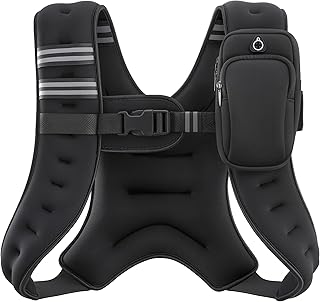
- ZELUS Weighted Vest – 4.6 stars, $28.98. Great for increasing calorie burn during walks or strength training.
- Purely Inspired 7-Day Detox Cleanse – 4.2 stars, $9.99. Senna leaf, vitamin C, and probiotics for a gentle reset.
- Thermogenic Fat Burner Brazilian Lean – 4.1 stars, $9.99. A budget-friendly pill to help with bloating and thermogenesis.
Remember: no supplement replaces a solid routine. Use these tools as part of a balanced plan that includes proper nutrition, movement, and sleep. And when you step on the scale, do so with the right frequency—once a week, with a focus on long-term trends.
FAQ
How often should I weigh myself for accurate weight loss tracking?
Most experts recommend once per week, same day, same time, after waking and using the bathroom. This minimizes daily fluctuations and gives you a reliable trend.
Can daily weigh-ins help with weight loss?
Yes, for some people. Daily weigh-ins create accountability and can help you notice small changes quickly. However, they can also cause anxiety. If you choose daily, log the number without emotional attachment and focus on the weekly average.
What should I do if the scale doesn’t move for several weeks?
Look beyond the scale. Check your measurements, take progress photos, and assess your consistency with nutrition and exercise. Sometimes weight stays the same while body composition improves. If the plateau persists, adjust your caloric intake or increase activity.
Are prescription weight loss medications like Zepbound and Contrave safe?
They require a doctor’s prescription and are intended for individuals with obesity or weight-related health conditions. Always discuss potential side effects and your medical history with your healthcare provider.
Do supplements like chromium picolinate or ACV gummies actually work?
They can support metabolism and appetite control but are not miracle solutions. For best results, combine them with a healthy diet and regular exercise.
Final Takeaway
The truth about weigh-in frequency is simple: choose a rhythm that keeps you motivated without making you obsessive. Once a week works for most. Pair that with non-scale victories and, when appropriate, evidence-based tools like the ones we’ve highlighted. Your journey is about more than a number—it’s about building sustainable habits that last.