
If you’ve ever wondered whether to lift weights or run on the treadmill for fat loss, the answer is both. Combining strength training with cardio isn’t just a trend—it’s the most effective programming for sustainable weight loss. When you blend these two modalities, you unlock metabolic benefits that neither can achieve alone.
A well-designed strength + cardio program keeps your body guessing, burns calories during and after exercise, and preserves lean muscle while shedding fat. No gimmicks, no fads—just science backed by real results. Before diving into the details, let’s look at how a few trusted supplements can support your journey.  — a thermogenic boost when used wisely.
Table of Contents
Why Strength Training Matters for Fat Loss
Strength training builds muscle, and muscle is metabolically active tissue. The more muscle you have, the more calories your body burns at rest. This is called your resting metabolic rate (RMR). Every pound of muscle burns about 6–10 calories per day just sitting still.
Lifting weights also creates an “afterburn” effect (EPOC — excess post-exercise oxygen consumption). Your body continues burning extra calories for hours after you leave the gym. This is why strength training is non-negotiable for fat loss.
- Preserves muscle during a calorie deficit
- Boosts metabolism long after your workout ends
- Improves insulin sensitivity — crucial for weight management
Why Cardio Is Essential
Cardiovascular exercise directly torches calories. Whether you prefer running, cycling, rowing, or brisk walking, cardio increases your total daily energy expenditure (TDEE). That’s the caloric deficit needed for fat loss.
But cardio does more than burn calories. It strengthens your heart, improves lung capacity, and reduces stress. Lower stress means lower cortisol, which is linked to stubborn belly fat.
- Immediate calorie burn during exercise
- Heart health and better recovery
- Stress reduction — keeps hormones in check
The Synergy of Combined Programming
When you pair strength and cardio, the whole becomes greater than the sum of its parts. Strength training builds the engine; cardio builds the fuel system. Together, they create a powerful fat-burning machine.
Studies show that people who combine both lose more body fat than those who do only one type. The key is sequencing: do your strength workout first (when your glycogen stores are full) followed by shorter cardio, or separate them into different days.
Benefits of Combined Programming:
- Greater EPOC — more calories burned after exercise
- Prevents plateaus — constant adaptation required
- Better body composition — lose fat, keep muscle
- Enhanced endurance — improves work capacity for heavier lifts
Sample Weekly Strength + Cardio Schedule
| Day | Workout Type | Example |
|---|---|---|
| Monday | Full-body strength + 20 min HIIT | Squats, presses, rows; 30 sec sprint/90 sec rest |
| Tuesday | Steady-state cardio (45 min) | Brisk walk or light jog |
| Wednesday | Upper body strength + 15 min HIIT | Bench press, pull-ups, shoulder press; jump rope intervals |
| Thursday | Active recovery | Yoga or light stretching |
| Friday | Lower body strength + 20 min moderate cardio | Deadlifts, lunges; incline walk |
| Saturday | Steady-state or long cardio (60 min) | Bike ride or swim |
| Sunday | Rest | — |
This schedule balances intensity, recovery, and variety. Adjust based on your fitness level and time availability.
How to Structure Your Workouts
- Warm-up (5–10 minutes) — dynamic stretches, light cardio
- Strength (30–45 minutes) — focus on compound lifts (squat, deadlift, bench, row, overhead press)
- Cardio (15–30 minutes) — either HIIT or steady-state depending on the day
- Cool-down (5 minutes) — static stretching, deep breathing
Use a weighted vest like the ZELUS Weighted Vest, 6lb–30lb to add intensity to bodyweight exercises, walks, or lunges. 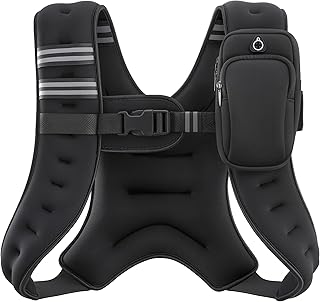 It’s a versatile tool that makes cardio more challenging without requiring extra time.
Nutrition and Supplements to Support Your Program
Exercise is only half the equation. A nutrient-dense diet and smart supplementation can amplify results. Let’s explore some effective options (always consult a healthcare provider first).
Metabolism & Energy Support
- Nature’s Bounty Chromium Picolinate (800 mcg) — supports carbohydrate and fat metabolism.

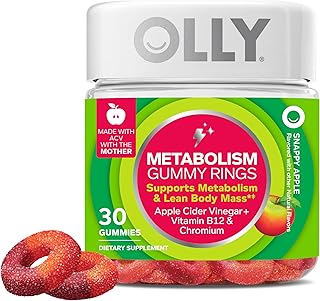
- OLLY Metabolism Gummy Rings — apple cider vinegar, vitamin B12, and chromium in a tasty chewable.
- Thermogenic Fat Burner Brazilian Lean — helps increase calorie burn and reduce bloating.
Collagen and Skin Health During Weight Loss
Premium Liquid Collagen for Women combines hyaluronic acid, biotin, and L-carnitine to support weight loss while preserving skin elasticity. 
Medical-Grade Options (Prescription Only)
For individuals with obesity or related conditions, prescription medications like Zepbound (tirzepatide) or Contrave (bupropion/naltrexone) can be effective under medical supervision. Also Phendimetrazine, a short-term appetite suppressant.
- Zepbound — $25.00 (prescription required)
- Contrave — $50.00
- Phendimetrazine — $4.00
Over-the-Counter Fat Absorption Blocker
alli Weight Loss Diet Pills (Orlistat 60 mg) blocks some dietary fat absorption.  — $65.99 for 120 count refill.
Detox Support
Purely Inspired 7-Day Detox Cleanse uses senna leaf, vitamin C, and probiotics to support digestion.  — $9.99
Comparison Table: Popular Weight Loss Supplements
| Product | Price | Rating | Buy at Amazon |
|---|---|---|---|
| Thermogenic Fat Burner |
$9.99 | 4.1 | Buy Now |
| Chromium Picolinate |
$7.49 | 4.5 | Buy Now |
| alli Orlistat 120 ct |
$65.99 | 4.2 | Buy Now |
| OLLY Metabolism Gummies |
$16.97 | 4.3 | Buy Now |
| Liquid Collagen |
$26.95 | 4.4 | Buy Now |
| Weighted Vest |
$28.98 | 4.6 | Buy Now |
| 7-Day Detox |
$9.99 | 4.2 | Buy Now |
 Phendimetrazine (Rx) Phendimetrazine (Rx) |
$4.00 | — | Buy Now |
 Zepbound (Rx) Zepbound (Rx) |
$25.00 | — | Buy Now |
 Contrave (Rx) Contrave (Rx) |
$50.00 | — | Buy Now |
FAQ: Strength + Cardio for Fat Loss
1. Should I do cardio before or after strength training?
Answer: Do strength training first when your energy is high. Cardio afterward can then tap into fat stores more effectively. If you’re pressed for time, split them into separate sessions.
2. How much cardio do I need each week for fat loss?
Answer: Aim for 150–300 minutes of moderate-intensity cardio per week, combined with 2–3 strength sessions. Adjust based on your calorie deficit and recovery.
3. Can I lose fat without supplements?
Answer: Absolutely. Supplements are optional tools that may support metabolism or convenience, but consistent exercise and nutrition drive results.
4. Are prescription weight loss medications safe?
Answer: Prescription options like Zepbound or Contrave should only be used under a doctor’s supervision. They are not fads but medical interventions for obesity.