
Losing weight while getting stronger sounds like a contradiction. You’re eating fewer calories, so how can you possibly add weight to the bar? The answer lies in a training principle called progressive overload. When done correctly, progressive overload allows you to build strength even in a calorie deficit. This guide will show you exactly how to apply it as a beginner, with practical steps and the right supplements to support your journey.
Table of Contents
What Is Progressive Overload?
Progressive overload simply means gradually increasing the demands on your muscles over time. If you always lift the same weight for the same reps, your body has no reason to adapt. To get stronger, you must push beyond your current capacity. During a cut (calorie deficit), your body is fighting to preserve muscle, so strategic overload becomes even more critical.
Common ways to apply progressive overload include:
- Increasing weight (the most obvious method)
- Increasing reps or sets
- Decreasing rest time between sets
- Improving form to recruit more muscle fibers
- Increasing time under tension (slower reps)
For beginners, the easiest and safest approach is to add a small amount of weight each week, or aim for one extra rep per set.
Why Progressive Overload Matters During Weight Loss
When you’re in a calorie deficit, your body is prone to losing both fat and muscle. Strength training signals your muscles to hold onto that precious tissue. By progressively overloading, you tell your body, “I need this muscle—don’t break it down.” This metabolic stress also boosts calorie burn, making your cut more efficient.
Without progressive overload, you risk muscle loss and a slower metabolism. That’s why many people hit a weight loss plateau despite strict dieting.
How to Apply Progressive Overload as a Beginner on a Cut
Start with a simple, full-body routine three times per week. Choose compound lifts like squats, bench presses, rows, and deadlifts. For the first two weeks, focus on perfecting form with a weight you can lift comfortably for 10–12 reps. Then begin the overload.
Week 1–2: Find your starting weights. Do 3 sets of 10 reps.
Week 3: Add 2.5–5 lbs to the bar (or use dumbbell increments). If you can’t increase weight, try to do 11 reps on your last set.
Week 4: Continue adding small weight jumps or extra reps. If you fail to complete all reps, stay at that weight for another session.
Remember, recovery is vital when cutting. You may not be able to add weight every single session—progress might be slower, but it will still happen.
Sample Workout for Beginners (Cutting Phase)
| Exercise | Sets | Reps | Overload Target |
|---|---|---|---|
| Goblet Squat | 3 | 10–12 | +1 rep or +2.5 lbs weekly |
| Dumbbell Bench Press | 3 | 10–12 | Same method |
| Seated Cable Row | 3 | 10–12 | Same method |
| Overhead Press | 3 | 10–12 | Same method |
| Plank | 3 | 30–45 sec | +5 sec weekly |
Do this workout on Monday, Wednesday, and Friday. On off days, do light walking or mobility work.
The Role of Supplements in Supporting Your Cut
While no supplement replaces hard work, certain products can help manage energy, appetite, and recovery. Here are a few that fit well with a cutting plan:
- Thermogenic fat burners like Brazilian Lean ($9.99, rating 4.1) may give you a slight metabolic boost.
- Chromium picolinate from Nature’s Bounty ($7.49, rating 4.5) helps metabolize carbs and fats, potentially curbing cravings.
- Collagen protein shots, like this Premium Liquid Collagen ($26.95, rating 4.4), support joint health and muscle recovery during a cut.
For appetite control, some people use prescription medications like Contrave ($50.00) or Phendimetrazine ($4.00), but always consult a doctor first.
And to add extra resistance to bodyweight exercises or light runs, a weighted vest like the ZELUS Weighted Vest ($28.98, rating 4.6) is an excellent tool for progressive overload without heavy weights.
Comparison of Top Weight Loss Supplements for Your Cut
 |
 |
 |
|---|---|---|
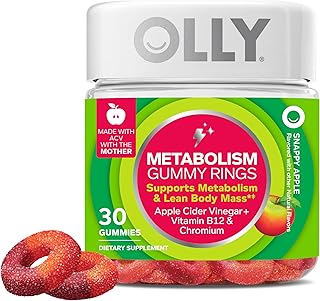
| Nature's Bounty Chromium Picolinate | OLLY Metabolism Gummy Rings | alli Weight Loss Diet Pills |
| Price: $7.49 | Price: $16.97 | Price: $65.99 |
| Rating: 4.5 (8,600 reviews) | Rating: 4.3 (7,100 reviews) | Rating: 4.2 (28,600 reviews) |
| Supports carb & fat metabolism | Apple cider vinegar + B12 + chromium | Blocks dietary fat absorption (Orlistat) |
| Buy at Amazon | Buy at Amazon | Buy at Amazon |
Common Mistakes and How to Avoid Them
Mistake #1: Trying to add too much weight too fast. This leads to injury or burnout. Stick to micro-loads (2.5–5 lbs).
Mistake #2: Ignoring recovery. Being in a calorie deficit means you need more sleep and lower stress. If you’re constantly sore, skip a session.
Mistake #3: Only doing cardio. Resistance training is non-negotiable for muscle preservation during a cut.
Also, avoid detoxes and fad cleanses like the Purely Inspired 7-Day Detox Cleanse ($9.99) unless you’re looking for a short-term reset—they don’t replace consistent nutrition.
Final Thoughts on Getting Strong While Cutting
Progressive overload is the key to maintaining—and even building—strength during weight loss. Start with compound lifts, add small increments each week, and fuel your body with enough protein. Combine that with a modest calorie deficit and smart supplementation (like ZELUS Weighted Vest for added resistance, or Nature's Bounty Chromium for metabolic support), and you’ll see results that go beyond the scale.
For those who need extra medical help, options like Zepbound ($25.00) or Contrave ($50.00) are available by prescription. Always talk to your doctor before starting any new medication.
Frequently Asked Questions
Can I build muscle while cutting?
Yes, especially if you’re a beginner. While muscle gain is slower in a calorie deficit, progressive overload can still stimulate growth due to neuromuscular adaptations and extra water/glycogen storage.
How many calories should I eat to cut without losing muscle?
Aim for a deficit of 300–500 calories below maintenance. Consume at least 1.6 g of protein per kg of body weight to support muscle repair.
Do I need supplements to progress?
No, but supplements like chromium picolinate or a weighted vest can make the process easier. Focus first on diet and training.
What if I can’t increase weight every week?
That’s normal during a cut. Try increasing reps, slowing down negatives, or improving form. Progress is still progress.