
You’ve set a goal to lose weight, and you know that consistency is the secret sauce. But you’ve also started strong before, only to fizzle out by week three. The difference between a plan you abandon and one you actually follow isn’t willpower—it’s structure.
A smart weekly training schedule balances fat loss, muscle preservation, and recovery without feeling like a second job. Done right, it becomes a habit you crave, not a chore you dread.
Let’s walk through a proven framework to build a schedule that sticks—and how a few science-backed helpers (including Phendimetrazine, Zepbound, and Contrave) can support your journey when used under medical guidance.
Table of Contents
Why Most Training Schedules Fail (And How to Fix It)
We often copy a pro athlete’s routine or a viral “30-day shred” without considering our own life. That’s like trying to squeeze into shoes two sizes too small.
Reasons schedules fail:
- Too much, too soon – Five hard workouts per week when you’re just getting started leads to burnout.
- No flexibility – Life happens. If you miss a day, many plans give you no easy way to adjust.
- Ignoring recovery – Rest days aren’t optional. Fat loss happens when your body repairs, not when you’re grinding.
The fix? Design your schedule around your non-negotiables – work, family, sleep – and build up gradually.
Step 1: Define Your “Why” and Your Starting Point
Before you write down exercises, get clear on what you want and where you are now.
- Your goal: Lose 1-2 pounds per week? Build strength while dropping body fat? That changes the ratio of cardio to resistance training.
- Your current fitness level: Can you walk for 30 minutes without stopping? Have you lifted weights in the past year? Be honest.
Write one sentence: “I want to lose XX pounds by doing YY workouts each week, and I’m starting at ZZ fitness level.” This becomes your anchor when motivation dips.
Step 2: Choose the Right Mix of Workout Types
For sustainable fat loss, you need three ingredients: strength training, cardio, and mobility/recovery.
| Training Type | Frequency (per week) | Purpose |
|---|---|---|
| Strength (full body or upper/lower splits) | 3 days | Build muscle, boost metabolism, preserve lean mass |
| Steady-state cardio (walking, cycling, incline treadmill) | 3–4 days | Burn calories, improve heart health, reduce stress |
| HIIT or interval training | 1–2 days | Increase calorie burn, improve insulin sensitivity |
| Mobility / active recovery | 2–3 days (or after workouts) | Reduce injury risk, improve movement quality |
Sample structure: Strength Mon, Wed, Fri. Cardio Tue, Thu, Sat. Sunday – rest or light yoga.
Step 3: Progressive Overload – The Engine of Change
Your body adapts quickly. If you do the same workout every week, progress stalls.
How to apply progressive overload:
- Strength: Add 2–5 pounds to your main lifts every 1–2 weeks, or add an extra rep.
- Cardio: Increase duration by 5 minutes or increase incline/speed slightly.
- HIIT: Add one more interval or reduce rest time.
Track your workouts in a journal or app. Seeing small wins builds confidence and keeps you coming back.
Step 4: Build Recovery Into the Schedule
Rest is where your body repairs muscle tissue and balances hormones like cortisol and ghrelin. Without it, you risk overtraining and stalled weight loss.
Recovery essentials:
- 7–9 hours of sleep per night
- At least one full rest day each week
- Active recovery sessions (light walking, stretching, foam rolling)
If you’re using appetite-suppressing or metabolism-supporting medications like Zepbound or Contrave, remember that these tools work best alongside proper nutrition and rest—they don’t replace recovery.
Step 5: Make It Non-Negotiable (But Flexible)
Habits stick when they’re easy to start and hard to skip.
Tips to lock it in:
- Time-block your workouts on the same days each week. Treat them like meetings.
- Prepare in advance: Lay out your clothes, fill your water bottle, pack your gym bag.
- Have a “minimum dose” – a 15-minute workout you can do even on busy days. That keeps the streak alive.
If you miss a workout, don’t try to “make it up” by doubling the next day. Just resume your normal routine.
Supplements and Tools That Can Support Your Effort
While no pill replaces a solid training schedule, certain products can help you manage hunger, energy, or metabolism when used appropriately.
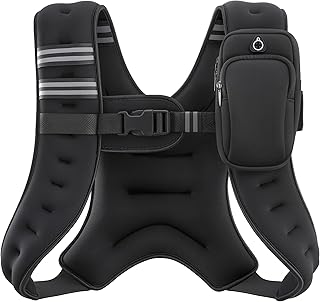
ZELUS Weighted Vest – Add 6–30 lbs to your walks or bodyweight exercises to increase calorie burn without spending extra time. Rated 4.6 stars with over 15,900 reviews. Perfect for progressive overload.

Nature's Bounty Chromium Picolinate – Supports fat, protein, and sugar metabolism. At $7.49, it’s an affordable mineral supplement to consider if your diet is lacking.
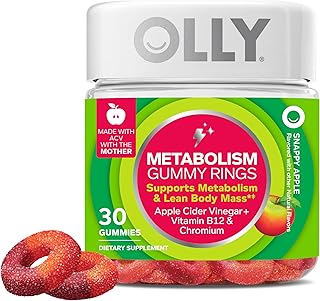
OLLY Metabolism Gummy Rings – Apple cider vinegar, B12, and chromium in a tasty gummy. Helps energy and digestion. 4.3 stars from 7,100 ratings.

Thermogenic Fat Burner Brazilian Lean – A budget-friendly option ($9.99) for women seeking a metabolism boost and bloating relief. 4.1 stars.

alli Weight Loss Diet Pills – Orlistat 60 mg, an FDA‑approved non-prescription option that blocks some fat absorption. 4.2 stars with 28,600+ reviews.

Premium Liquid Collagen – Collagen with hyaluronic acid, biotin, and L‑carnitine. Supports hair, skin, and metabolism. 4.4 stars from 3,200 reviews.

Purely Inspired 7-Day Detox Cleanse – A quick whole‑body cleanse with senna leaf, vitamin C, and apple cider vinegar. 4.2 stars from 11,000 reviews.
Comparison Table: Popular Weight Loss Support Products
| Product | Key Features | Price | Rating | Buy at Amazon |
|---|---|---|---|---|
|
Orlistat, blocks fat absorption, prescription-free | $65.99 | ⭐ 4.2 | Buy alli |
|
Chromium picolinate 800 mcg, metabolism support | $7.49 | ⭐ 4.5 | Buy Nature's Bounty |
|
ACV, B12, chromium, gummy form, energy & digestion | $16.97 | ⭐ 4.3 | Buy OLLY |
|
Thermogenic, waist trimmer, anti‑bloating, 60 caps | $9.99 | ⭐ 4.1 | Buy Brazilian Lean |
|
Liquid collagen, hyaluronic acid, L‑carnitine, biotin | $26.95 | ⭐ 4.4 | Buy Premium Collagen |
Important: Always consult a healthcare professional before starting any supplement or medication, especially prescription options like Phendimetrazine ($4.00), Zepbound ($25.00), or Contrave ($50.00). These medications require a prescription and are intended for individuals with specific medical conditions.
Sample Weekly Schedule (Fat Loss Focus)
Monday: Full‑body strength (3 sets of 8–12 reps) + 20 min brisk walk
Tuesday: 30 min steady‑state cardio (incline walk or cycle) + 10 min core
Wednesday: Full‑body strength (progressive overload focus)
Thursday: 20 min HIIT (e.g., 30 sec sprint / 60 sec walk) + mobility
Friday: Full‑body strength (lighter weight, higher reps)
Saturday: Longer cardio (40–60 min) – hiking, jogging, or elliptical
Sunday: Rest or gentle yoga / stretching
Adjust the number of strength days to 2 if you’re a beginner, and add the third after 4 weeks.
How to Stay on Track Long‑Term
- Celebrate small wins – Hitting 4 of 5 workouts one week is a win, not failure.
- Audit your schedule monthly – Does it still fit your life? Adjust as needed.
- Find an accountability partner – Even a quick text check‑in can keep you going.
Your training schedule should evolve with you. What works in week one may need tweaking by month three. That’s normal.
Frequently Asked Questions
Q: How many days per week should I work out for weight loss?
A: Aim for 4–5 total workout days: 3 strength and 2–3 cardio. Beginners can start with 3 days.
Q: Can I take weight loss supplements without exercise?
A: Supplements like alli, chromium, or thermogenics are designed to support a calorie‑controlled diet and exercise plan, not replace them.
Q: Is it okay to do the same workout every week?
A: No. Your body adapts quickly. Use progressive overload (increase weight, reps, or duration) every 1–2 weeks.
Q: Should I use a weighted vest for walking?
A: Yes, if you have good joint health. Start with a light weight (6–12 lbs) and focus on posture. The ZELUS Weighted Vest is a popular choice.
Q: Do I need prescription medication like Contrave or Zepbound?
A: These are for individuals with obesity or weight‑related health conditions. Talk to your doctor—they are not over‑the‑counter.
Q: How do I know if my schedule is too aggressive?
A: If you’re constantly fatigued, irritable, or not recovering between workouts, scale back. Consistency beats intensity every time.
Building a weekly training schedule that you’ll actually follow isn’t about finding the “perfect” plan. It’s about creating a flexible, progressive structure that respects your life. Start with what you can handle, lean on supportive tools when needed, and trust the process.
Your future self will thank you for showing up—again and again.