
When it comes to shedding stubborn body fat, cardio often takes the spotlight. But not all cardio is created equal, and doing too much can actually backfire. The key is understanding which type of cardio works best for your body, your schedule, and your fat loss goals. In this article, we’ll break down the science of cardio for fat loss, share the optimal amounts, and show you how to integrate smart tools like a weighted vest or metabolism-supporting supplements to accelerate your results.
Let’s ditch the fads and build a sustainable cardio plan that actually works.
Table of Contents
Why Cardio Works for Fat Loss
Cardiovascular exercise increases your total daily energy expenditure, creating the calorie deficit needed for fat loss. But it also improves insulin sensitivity, boosts mitochondrial density, and enhances your body’s ability to use fat as fuel. When combined with proper nutrition and strength training, cardio becomes a powerful lever for transforming your physique.
However, more is not always better. Excessive cardio can elevate cortisol, break down muscle, and slow your metabolism. The goal is to find the minimum effective dose for fat loss while preserving lean mass.
Types of Cardio for Fat Loss
Not all cardio burns fat the same way. Here are the three main types and how they fit into a fat loss plan.
Steady-State (LISS) – Low Intensity, Steady State
LISS involves maintaining a consistent, moderate pace for 30–60 minutes. Think brisk walking, cycling at a comfortable pace, or using an elliptical.
- Best for: Beginners, recovery days, and maintaining a calorie deficit without excessive stress.
- Fat burning: Primarily uses fat as fuel during the session, but total calorie burn is lower per minute than HIIT.
- How much to do: 3–5 sessions per week, 30–45 minutes each.
High-Intensity Interval Training (HIIT)
HIIT alternates between all-out effort and active recovery. For example, 30 seconds sprinting, 90 seconds walking, repeated 6–8 times.
- Best for: People short on time, those wanting to improve conditioning, and blasting fat after the workout (EPOC effect).
- Fat burning: Burns more calories in less time and elevates metabolism for hours post-workout.
- How much to do: 2–3 sessions per week, 15–25 minutes total. Never do HIIT on consecutive days to avoid overtraining.
Moderate-Intensity Continuous Training (MICT)
Falls between LISS and HIIT – think jogging at a conversational pace, or rowing at a steady effort.
- Best for: Building aerobic endurance and creating a moderate calorie burn.
- Fat burning: A balance of fat and carbohydrate usage.
- How much to do: 2–3 sessions per week, 30–45 minutes.
Comparison at a glance:
| Type | Intensity | Duration | Frequency | Best For |
|---|---|---|---|---|
| LISS | Low (60–65% max HR) | 30–60 min | 3–5x week | Recovery, beginners, calorie deficit |
| HIIT | High (85–95% max HR) | 15–25 min | 2–3x week | Time efficiency, afterburn effect |
| MICT | Moderate (70–80% max HR) | 30–45 min | 2–3x week | Aerobic fitness, steady calorie burn |
How Much Cardio Do You Really Need?
The American College of Sports Medicine recommends 150–300 minutes of moderate-intensity cardio per week for weight loss. But the optimal amount depends on your diet, activity level, and how your body responds.
A practical starting point for most people:
- Beginner: 3–4 LISS sessions per week (30 min each) + 1 HIIT session
- Intermediate: 2 LISS, 2 MICT, 1–2 HIIT per week (total ~200–250 min)
- Advanced: 3 LISS, 2 HIIT, 1 MICT (total ~250–350 min)
Signs you’re doing too much cardio:
- Constant fatigue, poor sleep, elevated heart rate at rest
- Plateau in weight loss or muscle loss
- Increased cravings and mood swings
If you notice these, cut cardio by 20–30% and focus on recovery.
Adding Intensity with a Weighted Vest
One underrated way to boost fat burning without adding more time to your cardio is to use a weighted vest. Wearing a vest during LISS or incline walking increases your calorie burn by 10–15%, builds lower body strength, and improves bone density.
ZELUS Weighted Vest (available in 6–30 lbs) is a top-rated option for both men and women. It features reflective stripes for safety, adjustable weight distribution, and a comfortable fit for walking, running, or bodyweight exercises.
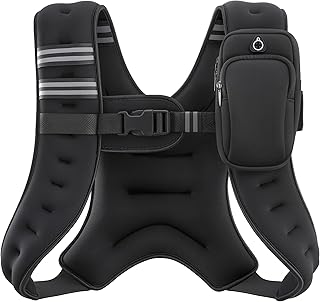
Tips for using a weighted vest:
- Start with 5–10% of your body weight and gradually increase.
- Use it for walking on an incline, stair climbing, or non-impact cardio 2–3 times per week.
- Avoid using it for HIIT or running until you’re well adapted.
Supporting Fat Loss with Smart Nutrition & Supplements
Cardio alone won’t deliver dramatic fat loss unless your nutrition supports a calorie deficit. You can also leverage evidence-based supplements to enhance metabolism, reduce cravings, or improve energy.
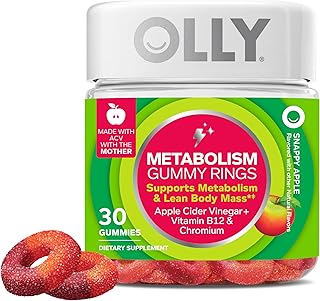
OLLY Metabolism Gummy Rings combine apple cider vinegar, vitamin B12, and chromium to support digestion and energy metabolism. They taste great and are easy to incorporate into a morning routine.
Nature’s Bounty Chromium Picolinate (800 mcg) is a mineral supplement shown to help regulate blood sugar and reduce carb cravings. It’s a budget-friendly option for those wanting to stabilize energy levels.

Important: Supplements are not substitutes for a whole-food diet, but they can provide an edge when combined with consistent training.
Sample Weekly Cardio Plan for Fat Loss
Here’s a simple but effective template you can follow. Adjust volume based on your recovery and other training.
| Day | Cardio Type | Duration | Intensity | Notes |
|---|---|---|---|---|
| Monday | LISS (walking with weighted vest) | 40 min | Zone 2 | Add 10 lbs vest |
| Tuesday | HIIT (sprint intervals) | 20 min | All-out | Warm up 5 min |
| Wednesday | LISS (cycling or incline walk) | 45 min | Zone 2 | No vest |
| Thursday | Rest or light yoga | – | – | Active recovery |
| Friday | MICT (jogging or rowing) | 30 min | Moderate | Steady pace |
| Saturday | HIIT (bodyweight circuit) | 15 min | High | Include stairs/jumps |
| Sunday | Rest | – | – | – |
Product Comparison: Tools to Boost Your Results
To help you choose the right products for your fat loss journey, here’s a quick comparison of the three we discussed.
| Product | Price | Rating | Key Features | Buy at Amazon |
|---|---|---|---|---|
| ZELUS Weighted Vest | $28.98 | ⭐ 4.6 (15,900 reviews) | Adjustable weight (6–30 lbs), reflective stripe, comfortable fit | |
| OLLY Metabolism Gummy Rings | $16.97 | ⭐ 4.3 (7,100 reviews) | Apple cider vinegar + B12 + chromium, gummy form, digestive support | |
| Nature's Bounty Chromium Picolinate | $7.49 | ⭐ 4.5 (8,600 reviews) | 800 mcg per tablet, supports sugar metabolism, affordable | |
Frequently Asked Questions
Can I lose fat with only cardio and no strength training?
Yes, but you risk losing muscle, which can slow your metabolism over time. A combination of cardio and resistance training is more effective for long-term fat loss.
Is HIIT better than LISS for belly fat?
HIIT is excellent for reducing overall body fat, including visceral fat. However, LISS can be more sustainable for many people and also targets belly fat when combined with a calorie deficit.
How long before I see results from cardio for fat loss?
With consistent cardio and a proper diet, you may notice changes in 3–4 weeks. Significant fat loss usually takes 8–12 weeks.
Should I do cardio before or after weights?
If your primary goal is fat loss, doing cardio after strength training can maximize fat burning. If you want to improve endurance, do cardio first. Both approaches work; consistency matters more.
What if I feel exhausted from too much cardio?
Reduce your volume by 20–30% and prioritize sleep and nutrition. Consider swapping HIIT for LISS for a week to allow recovery.
Final Thoughts on Cardio for Fat Loss
Cardio is a powerful tool, but it’s not a magic bullet. The best approach is to combine a variety of modalities—LISS for recovery, HIIT for efficiency, and weighted activities for extra burn—while supporting your body with smart nutrition and, if needed, targeted supplements. Listen to your body, adjust as you go, and stay consistent.
Your fat loss journey is about building habits that last. Start with what feels manageable, add intensity gradually, and watch the results unfold.