
Losing weight often feels like a battle between good intentions and a busy schedule. You know what to eat, but somehow the week slips away, and you end up ordering takeout or grabbing whatever’s in the vending machine. The solution isn’t more willpower—it’s a system.
A weekly weight loss meal planning system removes guesswork, saves time, and keeps you on track even when life gets chaotic. By dedicating just one hour each week to planning, you set yourself up for consistent, healthy eating. And when you support that plan with smart supplements like Nature's Bounty Chromium Picolinate—which helps metabolize fats, proteins, and carbs—the results compound faster.

Below is a complete step-by-step system that works. No complicated diets, just a repeatable framework anyone can follow.
Table of Contents
Why Meal Planning Works for Weight Loss
Meal planning puts you in control. Instead of reacting to hunger with high-calorie impulse choices, you decide ahead of time what goes into your body. This proactive approach naturally reduces calorie intake because you’re less likely to overeat or grab processed snacks.
- Calorie awareness: Planning forces you to account for every meal.
- Portion control: You pre-portion servings, eliminating guesswork.
- Nutrient density: You choose whole foods over convenience items.
When you combine structured planning with a quality supplement like Premium Liquid Collagen for Women Weight Loss & Beauty, you support both satiety and metabolic function.
Step 1 – Set Your Calorie and Macro Goals
Your meal plan must be based on real numbers, not guesses. Use a TDEE (Total Daily Energy Expenditure) calculator to find your maintenance calories. For weight loss, subtract 300–500 calories to create a moderate deficit.
Your macro split should look something like this:
- Protein: 30–35% of calories (supports muscle retention and satiety)
- Carbs: 40–45% (focus on fiber-rich sources)
- Fat: 20–25% (healthy fats for hormone balance)
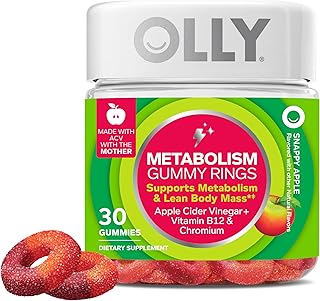
Tip: A supplement like OLLY Metabolism Gummy Rings provides apple cider vinegar, vitamin B12, and chromium to support energy and digestion—helping you stay consistent with your targets.
Step 2 – Choose a Meal Plan Framework
Pick one structure and stick with it for the week. The most effective frameworks for weight loss are:
- The Balanced Plate: Half veggies, quarter lean protein, quarter whole grains.
- Intermittent Fasting: Eating window of 8–10 hours (e.g., 12pm–8pm).
- Portion-Controlled Container System: Use physical containers for each food group.
Choose what fits your lifestyle. The key is consistency, not perfection.
Step 3 – Create Your Weekly Menu
Start with 2–3 core proteins (chicken, fish, tofu) and 3–4 vegetables (broccoli, spinach, bell peppers, zucchini). Build dinner first, then use leftovers for lunch.
Sample Monday Menu:
| Meal | Food |
|---|---|
| Breakfast | Greek yogurt + berries + chia seeds |
| Lunch | Grilled chicken salad with vinaigrette |
| Dinner | Baked salmon + roasted asparagus + quinoa |
| Snack | Apple slices with almond butter |
Repeat this pattern with variety. Prepare a written or digital menu for all 7 days. This reduces decision fatigue and impulse eating.
Step 4 – Build a Smart Grocery List
Organize your list by supermarket aisles. Include everything you need for breakfast, lunch, dinner, and snacks. Stick to the list—no extras.
Sample grocery categories:
- Produce: Spinach, broccoli, bell peppers, lemons, berries, avocados
- Protein: Chicken breast, salmon fillets, eggs, Greek yogurt
- Pantry: Quinoa, brown rice, almonds, olive oil, spices
- Frozen: Frozen mixed vegetables, frozen fruit for smoothies
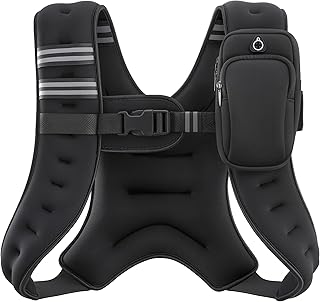
Pro tip: While grocery shopping doesn’t directly burn fat, pairing your meal plan with a ZELUS Weighted Vest for your morning walks will increase calorie burn without changing your diet.
Step 5 – Prep and Batch Cook
Set aside 1–2 hours on Sunday. Cook grains, chop veggies, marinate proteins, and portion snacks into containers. This makes weekday assembly a 5-minute task.
- Cook protein ahead: Grill chicken breasts or bake salmon fillets.
- Pre-wash produce: Store cut veggies in airtight containers.
- Make one dressing or sauce: A simple vinaigrette works for multiple salads.
Prepping isn’t glamorous, but it’s the single most effective habit for weight loss success.
Step 6 – Stay Consistent with Supportive Habits
Your meal plan works best when backed by healthy lifestyle habits:
- Hydrate: Drink at least 8 cups of water daily. Add a splash of apple cider vinegar for metabolism support.
- Move daily: Even a 20-minute walk makes a difference. A weighted vest adds resistance.
- Sleep well: Poor sleep increases cravings. Aim for 7–8 hours.
- Track meals: Use an app or journal for accountability.
You can also add targeted supplements to bridge nutritional gaps. Consider Purely Inspired 7-Day Detox Cleanse to reset your digestion, or a thermogenic aid like Thermogenic Fat Burner Brazilian Lean if you need an extra edge.
Supercharge Your Results with the Right Tools
While meal planning is the foundation, the right supplements can amplify your efforts. Below is a comparison of popular options to support your weight loss journey.
| Product | Price | Rating | Key Benefits | Buy at Amazon |
|---|---|---|---|---|
|
$7.49 | 4.5 ⭐ | Supports fat, protein & carb metabolism | Check Price |
|
$16.97 | 4.3 ⭐ | Apple cider vinegar, B12, chromium for energy | Check Price |
 |
$26.95 | 4.4 ⭐ | Collagen, hyaluronic acid, L-carnitine for weight & beauty | Check Price |
 |
$9.99 | 4.1 ⭐ | Thermogenic fat burner, bloating relief | Check Price |
Each product serves a different need. Chromium picolinate is a classic staple for metabolism support, while liquid collagen offers beauty benefits along with weight management. Choose based on your personal goals and budget.
Conclusion
A weekly meal planning system is the single most powerful habit for sustainable weight loss. It removes guesswork, saves money, and frees mental energy. By following the six steps above—setting goals, choosing a framework, creating a menu, building a grocery list, batch cooking, and supporting with healthy habits—you can lose weight without feeling deprived.
Remember, consistency beats intensity. Start small, plan one week at a time, and watch the numbers on the scale move in the right direction. And if you need an extra push, pair your plan with a trusted supplement from the comparison table above.
Frequently Asked Questions
1. Can I use meal planning if I have a busy schedule?
Yes. That’s exactly when it’s most valuable. Batch cooking on Sunday and using pre-portioned containers makes weekday eating effortless.
2. How many calories should I eat for weight loss?
Use a TDEE calculator to find maintenance calories, then subtract 300–500. A 1,500–1,800 calorie range works for many women; 1,800–2,200 for many men.
3. Do I really need supplements to lose weight?
No. Whole foods should be the priority. However, supplements like chromium picolinate or apple cider vinegar gummies can support metabolism and help you stay on track.
4. How often should I change my meal plan?
Every week or two. Variety prevents boredom and ensures you get a wide range of nutrients. Keep core staples but rotate vegetables and proteins.
5. What if I have a “cheat” meal during my plan?
It’s fine. One off-plan meal won’t derail progress. Log it, move on, and stick to your next planned meal. Perfection is not required—consistency is.