
You’re standing in the cereal aisle, tired after work, and the bright packaging screams “buy me.” Before you know it, your cart has three boxes of sugary granola and a bag of chips you never planned to buy. Impulse purchases are the number one enemy of a weight loss grocery list. They derail your progress, blow your budget, and leave you with a pantry full of regrets.
The good news? You can outsmart your own cravings with a simple system. When you build your grocery list around a weekly meal plan, you remove the guesswork—and the temptation. This guide will show you exactly how to create a list that protects your goals, saves you money, and keeps you on track.
Table of Contents
Why Impulse Buys Happen (And How to Stop Them)
Impulse buying isn’t a character flaw—it’s a biological response. Your brain craves instant rewards, especially when you’re hungry, tired, or stressed. That’s why shopping on an empty stomach is a guaranteed disaster. Studies show that hunger increases the number of unhealthy items people buy.
The solution is pre-commitment. When you decide what to eat for the week before you step into the store, you create a mental barrier against every flashy deal. Your list becomes a contract with yourself. Stick to it, and you’ll save both calories and cash.
Step 1: Start with Your Weekly Meal Plan
Before you write down a single ingredient, map out your meals. A solid weight loss plan includes:
- Three balanced meals (protein + veggies + healthy fat)
- Two snacks (high protein or high fiber)
- One optional treat (planned, not spontaneous)
Focus on recipes that use overlapping ingredients. For example, if you buy a bag of spinach, use it in salads, smoothies, and stir-fries. This reduces waste and keeps your list lean.
Sample Weekly Framework
| Day | Breakfast | Lunch | Dinner | Snack |
|---|---|---|---|---|
| Mon | Egg scramble with veggies | Grilled chicken salad | Salmon with roasted broccoli | Greek yogurt |
| Tue | Overnight oats with berries | Turkey wrap with lettuce | Stir-fry tofu with brown rice | Apple + almond butter |
| Wed | Smoothie with protein powder | Leftover stir-fry | Baked chicken with sweet potato | Cottage cheese |
Pro tip: Cook double portions at dinner so lunch is already prepped. That’s one less decision you have to make under hunger.
Step 2: Categorize Your List to Reduce Wandering
Organizing your grocery list by store layout prevents backtracking—and impulse browsing. Use these categories:
- Produce: Fresh veggies and fruits
- Proteins: Chicken, fish, eggs, tofu, lean beef
- Dairy & Alternatives: Greek yogurt, cottage cheese, unsweetened almond milk
- Pantry Staples: Oats, brown rice, quinoa, spices, oils
- Frozen: Frozen vegetables, berries, fish fillets
- Supplements (optional): Weight loss aids that support your routine
Real Example of a Smart List
- Produce: Spinach, bell peppers, broccoli, lemons, berries
- Protein: Chicken breast, salmon, eggs, ground turkey
- Dairy: Greek yogurt, part-skim mozzarella
- Grains: Rolled oats, quinoa
- Healthy fats: Avocado, olive oil, almond butter
- Frozen: Mixed veggies, frozen edamame
Now, here’s the critical rule: If it’s not on the list, it doesn’t go in the cart. Repeat that to yourself as you walk through the store.
Step 3: Use Technology and Tools to Stay Accountable
Your phone can be your greatest ally. Use a grocery list app (like AnyList or Todoist) that you share with your family. Set a rule: any addition to the list must be approved by your meal plan.
For extra support, consider adding a weight loss supplement to your shopping list—but only after you’ve locked in your meals. Supplements are not magic, but they can fill nutritional gaps.
For example, Nature's Bounty Chromium Picolinate supports fat, protein, and sugar metabolism. It’s an affordable addition (just $7.49 with a 4.5-star rating) that can help curb sugar cravings.

Chromium picolinate is a mineral that helps your body use insulin more efficiently, which may reduce your desire for sweets. Add it to your supplement list after you’ve built your food list.
Step 4: Avoid the “Health Halo” Trap
Just because something says “organic,” “natural,” or “low-fat” doesn’t mean it’s good for weight loss. Manufacturers often add sugar to low-fat products to improve taste. Read labels, not slogans.
Red Flags on Packages
- “Low-fat” but has added sugar as the second ingredient
- “Gluten-free” but made from refined white rice flour
- “High protein” but also high in saturated fat
Stick to whole foods as much as possible. If you want a packaged snack, plan for it. Unplanned packaged foods are almost always impulse buys.
Step 5: Supplement Smartly—But Don’t Replace Meals
Your grocery list should be 90% real food. But if you’re trying to accelerate results or manage cravings, a targeted supplement can help.
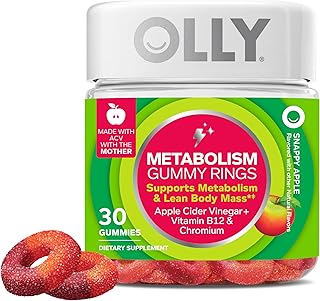
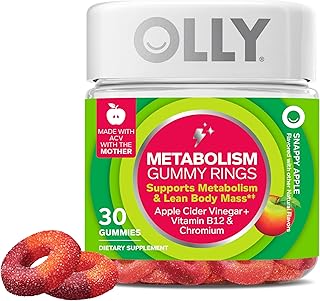
The OLLY Metabolism Gummy Rings ($16.97, 4.3 stars) combine apple cider vinegar, vitamin B12, and chromium in a tasty chewable. They support energy and digestive health—perfect for keeping your metabolism humming while you stick to your meal plan.
Another option is the Purely Inspired 7-Day Detox Cleanse ($9.99, 4.2 stars). It contains senna leaf, vitamin C, and apple cider vinegar—ingredients that may help reduce bloating and support regularity.

Important: Always check with your doctor before starting any supplement, especially if you have medical conditions or take medications.
Step 6: Plan for the “Gym Bag” Too
Weight loss isn’t just about what you eat—it’s about how you move. Your grocery list should include items that support your workout routine, like protein powder or electrolyte drinks. But don’t forget the gear you’ll need to stay consistent.
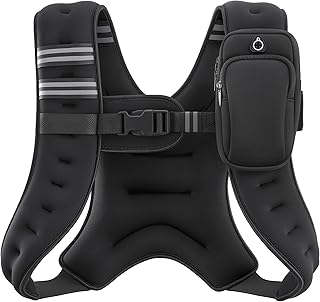
The ZELUS Weighted Vest (from $28.98, 4.6 stars) is a fantastic tool for adding resistance to walks or bodyweight exercises. Wearing a weighted vest while grocery shopping? Probably not—but wearing it during your morning walk boosts calorie burn by up to 30%.
Add a line to your grocery list: “Check my workout gear.” That simple reminder can stop you from buying another bag of chips when you should be buying a better pair of sneakers.
Comparison Table: Top Supplements to Support Your Grocery List
Here’s a quick look at the products mentioned that can complement your weight loss grocery strategy.
| Product | Price | Rating | Key Benefits | Buy at Amazon |
|---|---|---|---|---|
| Nature's Bounty Chromium Picolinate |
$7.49 | 4.5 | Supports fat, protein, sugar metabolism; 800 mcg per tablet | Buy Now |
 OLLY Metabolism Gummy Rings OLLY Metabolism Gummy Rings |
$16.97 | 4.3 | Apple cider vinegar, vitamin B12, chromium; energy + digestion | Buy Now |
| Purely Inspired 7-Day Detox Cleanse |
$9.99 | 4.2 | Senna leaf, vitamin C, ACV, digestive enzymes | Buy Now |
| ZELUS Weighted Vest |
$28.98+ | 4.6 | Adjustable 6–30 lbs; reflective stripe for outdoor use | Buy Now |
Step 7: Mindset Tricks That Kill Impulse Buys
Even the best list can fail if you’re mentally unprepared. Try these psychological hacks:
- Shop online for pickup. You can’t impulse buy what you don’t see.
- Use cash only. Physically handing over money hurts more than swiping a card.
- Listen to a podcast. Distract your brain from the bright packaging.
- Avoid the middle aisles. Stick to the perimeter where whole foods live.
Repeat this mantra: “My grocery list is my meal plan. My meal plan is my goal.”
FAQ: Building a Weight Loss Grocery List That Works
Q: How often should I update my weight loss grocery list?
A: Update it every Sunday before you shop. Your list should match your meal plan for the upcoming week. If you eat the same breakfast and lunch daily, keep those items constant.
Q: What if I crave something not on my list?
A: Add it to next week’s meal plan. That gives you time to research a healthier version or portion it out. The craving often passes within 20 minutes.
Q: Can I buy frozen vegetables instead of fresh?
A: Absolutely. Frozen vegetables are just as nutritious (sometimes more) because they’re flash-frozen at peak ripeness. They also stay fresh longer, reducing impulse buys when you run out of fresh produce.
Q: Should I include treats on my weight loss grocery list?
A: Yes—if you plan them. A small dark chocolate square or a single-serve bag of popcorn can satisfy cravings without derailing progress. The problem isn’t treats; it’s unplanned treats.
Your Action Plan: This Week’s Grocery List Challenge
- Pick three dinners and one batch-cook breakfast (like egg muffins).
- Write down every ingredient you need—no extras.
- Add one supplement if you’re struggling with cravings (like Nature's Bounty Chromium Picolinate).
- Shop only from that list. No substitutions, no extras.
- Celebrate with a non-food reward (a new workout playlist or a weighted vest like the ZELUS Weighted Vest).
Final Thought
Building a weight loss grocery list isn’t about restriction—it’s about intention. Every item you put in your cart is a vote for the person you want to become. When you plan ahead, you stop fighting your impulses and start designing your environment for success.
Your next grocery trip can be your best one yet. Print this article, stick it on your fridge, and walk into the store with clarity. No more impulse buys. Just smart choices, one aisle at a time.