
You’ve mastered the basics of a calorie deficit—now it’s time to level up. Advanced strategies go beyond “eat less, move more” and can accelerate progress while minimizing plateaus. But with greater control comes greater risk. Understanding calorie cycling, setting precision targets, and navigating the pitfalls can transform your weight loss journey from a simple grind into a sustainable, personalized system.
Whether you’re a seasoned dieter or a coach helping others, these advanced tactics demand respect. Let’s break down how to use them wisely.

Table of Contents
Calorie Deficit Cycling: The Power of Alternation
Calorie deficit cycling means varying your daily or weekly calorie intake rather than keeping it flat. Instead of eating 1,800 calories every single day, you might eat 1,600 on some days and 2,000 on others. This mimics how our bodies naturally handle energy—no one eats the same amount every day.
Why cycle? It prevents metabolic adaptation.
- Refeeds – Scheduled higher-calorie days boost leptin (a satiety hormone) and thyroid output.
- Performance – Higher days around workouts fuel training and preserve muscle.
- Adherence – Variety makes the diet feel less restrictive.
A common method is 3–4 days of deficit, 1 day at maintenance. Another is weekly cycling: five days deficit, two days refeed. Experiment to find what fits your lifestyle.
Watch the rebound. Too many high-calorie days can erase your weekly deficit. Track total weekly energy balance, not just daily numbers.
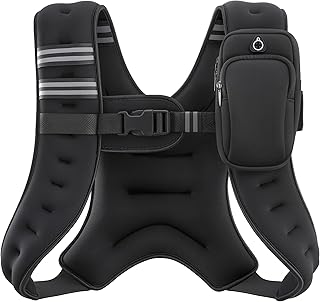
Using a ZELUS Weighted Vest on low-calorie days can maintain workout intensity without extra stress on recovery.
Precision Targets: From Macros to Micros
Gone are the days of guessing. Precision deficit strategies rely on data. You don’t just target a calorie number—you optimize protein, fiber, micronutrients, and even timing.
Set your deficit with a target range (e.g., 300–500 calories below maintenance). Then dial in:
- Protein: 1.6–2.2 g per kg of body weight to spare muscle.
- Fat: 0.5–0.8 g per kg to maintain hormone function.
- Carbs: Fill the rest, prioritizing around workouts.
Supplements can fill gaps. For example, Nature's Bounty Chromium Picolinate supports sugar metabolism and appetite control. It’s a low-cost addition for those struggling with cravings.

Track with tools. Apps like MyFitnessPal or Cronometer work well. For workout precision, a ZELUS Weighted Vest (rated 4.6 stars) lets you exactly load extra weight during cardio, making calorie burn more predictable.
Muscle sparing is key. Without precision in protein and training, you risk losing muscle instead of fat. That leads to a lower BMR and eventual regain.
Risks of Advanced Deficit Strategies
Metabolic adaptation is the biggest concern. Your body fights back by reducing resting energy expenditure, hunger hormones spike, and fidgeting decreases. Cycling helps but isn’t foolproof.
Nutrient deficiencies creep in when deficits become too large. Low intake of iron, calcium, and B vitamins can cause fatigue, hair thinning, and immune drops. Consider a supportive product like OLLY Metabolism Gummy Rings (apple cider vinegar, vitamin B12, chromium) to aid digestion and energy levels during aggressive deficits.

Psychological strain from constant monitoring can lead to disordered eating. Advanced strategies require a healthy mindset. If you feel obsessive, scale back.
Hormonal disruption – Women especially may experience menstrual cycle changes. Prolonged severe deficits can lower T3 and increase cortisol.
Drug-assisted risks. Products like alli (Orlistat) block fat absorption but can cause gastrointestinal issues. Prescription options like Contrave or Zepbound require medical supervision. They are powerful tools, not shortcuts.
| Product | Price | Rating | Key Feature | Buy |
|---|---|---|---|---|
|
$65.99 | 4.2 ⭐ | Blocks fat absorption | Buy on Amazon |
|
$16.97 | 4.3 ⭐ | Supports metabolism with ACV & B12 | Buy on Amazon |
Avoid rapid loss. More than 1–2 pounds per week increases risk of gallstones, electrolyte imbalances, and muscle loss. Advanced cyclers should aim for a slow, steady decline.
How to Implement Safely
- Start with a 250–300 calorie deficit for two weeks before trying advanced cycling.
- Log everything – calories, macros, weight, sleep, and mood.
- Use refeed days strategically – high carb, moderate fat, still hitting protein goals.
- Cycle intensity – alternate high-deficit days (400–500 cal) with maintenance days every 4–6 days.
- Monitor biomarkers – energy, libido, menstrual cycle, and resting heart rate.
Listen to your body. If you feel drained, increase calories or add a maintenance week. Long-term consistency beats short-term intensity.
FAQ: Advanced Deficit Strategies
Q: Can I do deficit cycling every day?
A: No. Cycling requires structured high/low days, not random eating. Consistency in the weekly average is what drives results.
Q: How do I calculate my precise deficit target?
A: Use a TDEE calculator, then subtract 300–500 calories. Adjust based on actual weight loss rate (0.5–1% body weight per week is safe).
Q: Are supplements essential for advanced deficits?
A: Not essential, but they can help. Products like Nature's Bounty Chromium Picolinate or OLLY Metabolism Gummy Rings address specific deficiencies or cravings.
Q: What’s the biggest risk of calorie cycling?
A: Overcompensating on refeed days. If you eat 1,000 extra calories on a “high” day, you erase the week’s progress. Plan your refeed numbers precisely.
Q: Can I use prescription weight loss drugs with cycling?
A: Only under medical supervision. Drugs like Contrave or Zepbound can amplify appetite suppression, but they require careful monitoring of side effects.
Q: When should I stop advanced deficit strategies?
A: When you reach a healthy body fat percentage, when performance drops significantly, or if you experience any negative health symptoms. Transition to maintenance for 4–6 weeks before another cycle.
Advanced deficit strategies are powerful tools in your weight loss toolbox. They require discipline and self-awareness, but the payoff is a leaner, stronger body without the metabolic crash. Use precision, cycle wisely, and respect the risks. Your body will thank you.
For more personal development and science-backed weight loss tactics, explore the rest of SuccessGuardian.com.