
You step on the scale after a week of eating clean and hitting the gym. The number hasn’t budged – or worse, it went up. Frustration sets in. You question everything: Am I really in a calorie deficit? Is this even working?
The truth is, the scale can lie. What looks like a plateau is often a powerful process called body recomposition (recomp) – where you lose fat and gain muscle at the same time. The scale doesn’t capture that shift. Understanding “fake weight loss” and real deficit effects will save you from unnecessary discouragement and keep you on track.
Table of Contents
What Is Body Recomposition?
Body recomposition is the simultaneous loss of body fat and gain of lean muscle mass. It’s common in beginners, those returning after a break, or anyone who combines a modest calorie deficit with consistent resistance training.
- Fat loss happens when you burn more energy than you consume.
- Muscle gain happens when you provide enough protein and stimulate muscle growth through exercise.
When both occur together, your total body weight may stay the same or change very slowly – even though your body composition is improving dramatically. That’s recomp in action.
Why the Scale Stalls During Recomp
Muscle is denser than fat. A pound of muscle takes up less space than a pound of fat. So while you’re losing inches and gaining definition, the number on the scale might stay flat. This is not a failure – it’s a victory. Your clothes fit better, your strength increases, and your body fat percentage drops.
The “Fake Weight Loss” Phenomenon
You may have experienced rapid weight loss in the first week of a diet – only to see it slow to a crawl. That initial drop is largely water weight and glycogen depletion, not fat. This is what many call “fake weight loss.”
- When you cut calories or carbs, your body uses stored glycogen (which holds water). As glycogen depletes, water is released, causing a quick drop on the scale.
- After a few days, true fat loss begins at a slower, steadier pace – typically 0.5–2 pounds per week.
If you don’t understand this, you might think your “deficit stopped working” and give up. In reality, your body is simply adjusting.
Calorie Deficit Effects on Metabolism and Muscle
A prolonged calorie deficit can affect your metabolism. Your body may lower its energy expenditure to conserve fuel – known as adaptive thermogenesis. But this is often exaggerated by improper dieting or too aggressive a cut.
Key points to remember:
- A moderate deficit (300–500 calories below maintenance) preserves muscle better than a huge crash diet.
- High protein intake (1.6–2.2 g per kg of body weight) protects muscle mass.
- Strength training signals your body to keep muscle, even while in a deficit.
Tools that support metabolism can help. For example, Nature's Bounty Chromium Picolinate aids in carbohydrate and fat metabolism, and at $7.49 with a 4.5-star rating, it’s a budget-friendly addition.

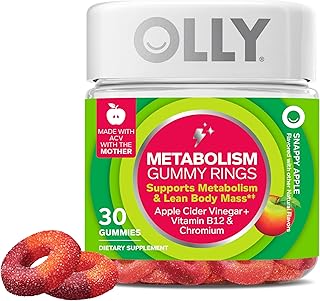
Another popular option is OLLY Metabolism Gummy Rings, which include apple cider vinegar, vitamin B12, and chromium. They’re tasty and convenient at $16.97 (4.3 stars).
How to Track Real Progress (Beyond the Scale)
Stop relying only on the scale. Instead, use multiple metrics to measure recomp and genuine fat loss:
- Body measurements – measure waist, hips, chest, arms, and thighs every two weeks.
- Progress photos – take front, side, and back photos in consistent lighting.
- How clothes fit – are your jeans looser? That’s real fat loss.
- Strength and performance – can you lift heavier or do more reps? That means muscle gain.
- Body fat percentage – use calipers, a bioimpedance scale, or a DEXA scan if available.
The Personal Development Angle
Weight loss isn’t just physical – it’s mental. Learning to trust the process, detach from daily scale fluctuations, and celebrate non-scale victories builds discipline and resilience. That growth is the real goal.
Tools and Supplements That Support Recomp and Deficit
Several products can support your journey. Below is a comparison of popular options:
| Product | Key Features | Price | Rating | Buy at Amazon |
|---|---|---|---|---|
 |
Orlistat 60 mg, blocks dietary fat absorption, 120 count | $65.99 | 4.2 ⭐ | Buy alli |
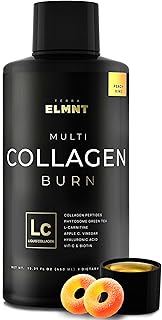 |
Collagen + hyaluronic acid, biotin, L-carnitine, apple cider vinegar | $26.95 | 4.4 ⭐ | Buy Collagen |
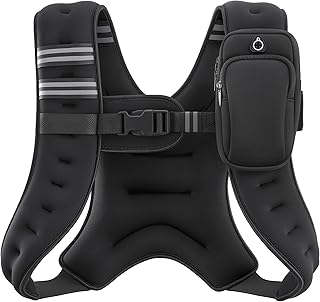 |
6–30 lb adjustable, reflective stripe, for strength & cardio | $28.98 | 4.6 ⭐ | Buy Vest |
 |
Senna leaf, vitamin C, ACV, digestive enzymes, 7-day cleanse | $9.99 | 4.2 ⭐ | Buy Detox |
Note: Weighted vests like the ZELUS can amplify your recomp efforts by increasing resistance during walks, runs, or bodyweight exercises – helping you burn more calories while preserving muscle.
Prescription options like Phendimetrazine ($4.00), Zepbound ($25.00), and Contrave ($50.00) are available for medical use under professional guidance. Always consult your doctor before starting any medication.
Frequently Asked Questions
How long does it take to see results from recomp?
Most people notice changes in body composition within 4–8 weeks. The scale may not move, but you’ll see clothes fit better and strength increase.
What should I do if the scale doesn’t move for 3 weeks?
Review your calorie intake, protein, and training intensity. Re-assess using measurements and photos. If you’re still in a deficit and training hard, stay consistent – recomp can take time.
Can I recomp without exercise?
It’s difficult. Resistance training is crucial to signal muscle preservation. Without it, a deficit leads to muscle loss, not recomposition.
Are “detox” weight loss pills effective?
Products like Purely Inspired 7-Day Detox Cleanse can support digestion and reduce bloating, but they don’t cause lasting fat loss. Use them as a short-term aid, not a permanent solution.
Is it normal to gain weight initially when starting a new workout routine?
Yes. Muscle inflammation and increased glycogen storage can cause a temporary 1–3 pound gain. This is water, not fat, and will subside.
Final Thoughts
Recomp and “fake weight loss” challenge everything we think we know about dieting. The scale is just one data point – not the whole story. True success lies in how you feel, how your body performs, and the habits you build.
Trust the deficit, train smart, and track progress with tools that reveal the real picture. Patience and consistency will deliver results that no number on a scale can measure.