
Hitting a weight loss plateau is one of the most frustrating experiences on a fitness journey. You’ve been consistent with your calorie deficit, yet the scale refuses to budge for weeks. The good news? A plateau isn’t a dead end—it’s a signal that your body has adapted and needs a new approach.
Learning how to adjust your calorie deficit at the right time can keep your progress moving without wrecking your metabolism. This guide covers the science behind plateaus, the exact signs that call for a change, and practical adjustments you can make—including smart use of supplements and tools like the alli Weight Loss Diet Pills and the ZELUS Weighted Vest.
Table of Contents
Why Calorie Deficit Plateaus Happen
Your body is designed to survive. When you maintain a calorie deficit for a long period, it adapts by lowering your resting metabolic rate, reducing non‑exercise activity, and even increasing hunger hormones. This metabolic adaptation is the main culprit behind weight loss plateaus.
Understanding that this is a normal physiological response helps you avoid panic. Instead of slashing calories further (which can backfire), you need strategic adjustments that rev up your metabolism and restore progress.
Signs It’s Time for a Calorie Deficit Adjustment
Not every week of no weight loss is a plateau. True plateaus last three to four weeks or longer. Here are the key indicators:
- Stalled weight loss despite consistent calorie tracking and exercise.
- Persistent fatigue, low energy, or poor sleep – signs of metabolic slowdown.
- Increased hunger and cravings – your body is fighting the deficit.
- Loss of strength or performance in workouts.
- No changes in measurements or how clothes fit.
If you recognize two or more of these, it’s time to adjust your approach.
How to Adjust Your Calorie Deficit Without Breaking Your Progress
The goal of an adjustment is to re‑sensitize your metabolism while keeping fat loss moving. Here are the most effective strategies.
1. Reverse Dieting (Temporary Calorie Increase)
Reverse dieting means slowly increasing your calorie intake by 50–100 calories per week for 3–6 weeks. This signals to your body that the “famine” is over, raising your metabolic rate. After the reversal, you can drop calories again to restart weight loss.
2. Refeed Days or Diet Breaks
A refeed day involves eating at maintenance (or slightly above) for one day, focusing on carbohydrates. This restores glycogen, boosts leptin, and often triggers a whoosh of fat loss. Diet breaks (1–2 weeks at maintenance) work similarly.
3. Increase Non‑Exercise Activity (NEAT)
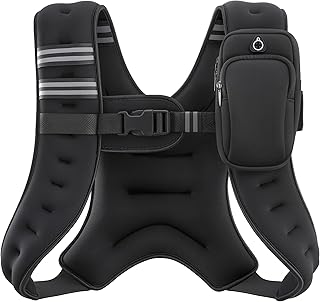
Instead of cutting more calories, increase your daily movement—walk more, take the stairs, or use a weighted vest during walks. The ZELUS Weighted Vest (rated 4.6 stars) is an excellent tool for boosting NEAT without adding extra workout time.
4. Optimize Protein and Fiber
Higher protein intake (1.2–1.6 g per kg of body weight) preserves muscle and increases thermic effect of food. Fiber‑rich foods improve satiety and gut health, which supports metabolic function.
5. Support Metabolism with Targeted Supplements
Certain supplements can help bridge the gap during a plateau. For example, Nature’s Bounty Chromium Picolinate (800 mcg, $7.49, 4.5 stars) supports carbohydrate and fat metabolism, which may help stabilize blood sugar and reduce cravings. OLLY Metabolism Gummy Rings combine apple cider vinegar, vitamin B12, and chromium for an easy, tasty addition to your routine.
Another option is thermogenic support. Brazilian Lean Thermogenic Fat Burner ($9.99, 4.1 stars) includes ingredients that may temporarily boost metabolic rate and reduce bloating.
When to Consider Medical Assistance
For some individuals, lifestyle adjustments alone aren’t enough due to underlying metabolic or hormonal issues. Prescription weight loss medications can be an option under medical supervision.
- Phendimetrazine (available at $4.00) is an appetite suppressant used for short‑term management.
- Zepbound (tirzepatide) is a newer injectable that mimics hormones to reduce appetite and improve insulin sensitivity.
- Contrave combines bupropion and naltrexone to target food cravings and reward pathways.
These should only be used with a doctor’s guidance. They are linked here for informational purposes.
Comparison of Top Weight Loss Support Products
 |
 |
 |
 |
 |
|---|---|---|---|---|
| alli – Orlistat 60 mg | Chromium Picolinate | OLLY Metabolism Gummy | Premium Liquid Collagen | ZELUS Weighted Vest |
| $65.99 | $7.49 | $16.97 | $26.95 | $28.98 |
| ⭐ 4.2 (28,600 ratings) | ⭐ 4.5 (8,600 ratings) | ⭐ 4.3 (7,100 ratings) | ⭐ 4.4 (3,200 ratings) | ⭐ 4.6 (15,900 ratings) |
| Blocks dietary fat absorption | Supports fat & sugar metabolism | ACV + B12 + Chromium | Collagen + L‑Carnitine + Biotin | Adjustable weight for NEAT |
| Buy at Amazon | Buy at Amazon | Buy at Amazon | Buy at Amazon | Buy at Amazon |
 |
 |
 |
 |
 |
|---|---|---|---|---|
| Purely Inspired 7‑Day Detox | Brazilian Lean Fat Burner | Phendimetrazine 35 mg | Zepbound Pen | Contrave ER |
| $9.99 | $9.99 | $4.00 | $25.00 | $50.00 |
| ⭐ 4.2 (11,000 ratings) | ⭐ 4.1 (5,000 ratings) | Prescription required | Prescription required | Prescription required |
| Cleanse + probiotics | Thermogenic, anti‑bloat | Appetite suppressant | GLP‑1/GIP agonist | Bupropion + naltrexone |
| Buy at Amazon | Buy at Amazon | Buy at Amazon | Buy at Amazon | Buy at Amazon |
Note: Prescription products (Phendimetrazine, Zepbound, Contrave) require a doctor’s authorization. They are listed for reference.
Putting It All Together: Your Plateau‑Proof Action Plan
To break a plateau and prevent future stalls, follow these steps:
- Assess your current deficit. If you’ve been in a large deficit for more than 8–12 weeks, try a reverse diet or a diet break.
- Increase NEAT. Walk an extra 3,000–5,000 steps a day. Use a weighted vest to amplify calorie burn.
- Re‑evaluate protein and fiber. Aim for at least 30 g of fiber daily and 1.6 g protein per kg body weight.
- Consider a supplement to bridge gaps. Products like Nature’s Bounty Chromium or OLLY Metabolism Gummies can support metabolic efficiency.
- Consult a professional if you suspect medical issues or need prescription assistance.
Remember, a plateau is not failure—it’s feedback. Adjust with patience, and you’ll restart fat loss while protecting your metabolic health.
Frequently Asked Questions About Calorie Deficit Plateaus
How long should I wait before adjusting my calorie deficit?
Wait at least three to four weeks of consistent tracking and no weight loss. Short fluctuations are normal due to water retention, menstrual cycles, or stress.
Will eating more calories help me lose weight?
If you’ve been in a prolonged deficit, a temporary increase to maintenance levels (a diet break) can raise your metabolic rate and reduce stress hormones, often leading to resumed fat loss when you return to a deficit.
Can supplements really break a plateau?
Supplements like chromium picolinate or thermogenics don’t “break” a plateau on their own, but they can support metabolism, reduce cravings, or improve energy, making it easier to stick to your plan. Always use them as part of a comprehensive strategy.
Should I cut calories further when I plateau?
Generally no. Dropping calories too low can worsen metabolic adaptation, increase muscle loss, and cause nutrient deficiencies. Focus on increasing activity or taking a diet break first.
When are prescription weight loss medications appropriate?
If you have obesity‑related health conditions or have tried lifestyle changes without success for months, your doctor may prescribe medications like Zepbound or Contrave. They are powerful tools but require medical oversight.