
You’ve been told to “eat less, move more” a thousand times. But the reality is far messier. A calorie deficit—consuming fewer calories than your body burns—is the scientific foundation of weight loss. Yet countless myths stand between you and real results.
The truth? Your body isn’t a simple calculator. Hormones, metabolism, and mindset all play a role. Let’s bust the most damaging calorie deficit myths so you can stop spinning your wheels and start seeing progress.
Table of Contents
Myth 1: Starvation Mode – You Must Eat Very Little to Lose Weight
Starvation mode is real, but it’s not what you think. Severe calorie restriction (below 1200 for women, 1500 for men) can slow your metabolism and increase hunger hormones. Your body adapts by burning fewer calories.
The fix? A moderate deficit of 300–500 calories per day leads to steady, sustainable fat loss. Quick fixes like crash diets rarely last.
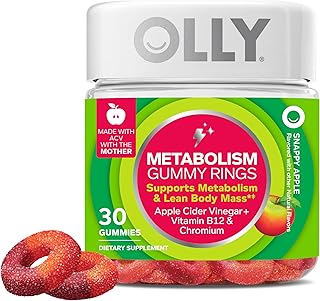
Instead of starving, support your metabolism with targeted nutrients. OLLY Metabolism Gummy Rings combine apple cider vinegar, vitamin B12, and chromium to help energy metabolism and digestive health. They’re a tasty, convenient addition to a balanced deficit—not a replacement for proper nutrition.
Myth 2: All Calories Are Created Equal
A calorie of soda affects your body differently than a calorie of protein. Food quality matters. Processed foods spike blood sugar, increase cravings, and reduce satiety.
Focus on nutrient-dense choices: lean protein, fiber-rich vegetables, healthy fats. And consider a mineral supplement that supports metabolism.

Nature's Bounty Chromium Picolinate helps your body metabolize fats, proteins, and sugars efficiently. It may reduce cravings and support stable blood sugar—making it easier to stick to your deficit.
Myth 3: You Need to Cut Out All Carbs or Fats
Carbs aren’t evil. Fats aren’t the enemy. The key is total calorie intake and macro balance. Extreme low-carb or low-fat diets often backfire because they’re unsustainable.
A diet rich in whole carbs (like oats, sweet potatoes) and healthy fats (avocado, nuts) keeps you full and energized. The real problem is excess calories, not the macronutrient itself.
Myth 4: Weight Loss Pills Are Magic Bullets
This myth is dangerous. No pill burns fat without a deficit. However, some clinically studied aids can nudge the scale in the right direction when used correctly.

alli (Orlistat 60 mg) is the only FDA-approved non-prescription weight loss aid. It works by blocking about 25% of dietary fat absorption. It's not a magic bullet—you must still follow a low-fat diet to avoid side effects. But for some, it provides the extra push needed to maintain a deficit.
Pairing alli with a calorie-controlled diet can accelerate results. Always consult your healthcare provider first.
Myth 5: Exercise Alone Creates a Big Deficit
“I ran 5 miles, so I can eat whatever I want.” Exercise burns far fewer calories than most people think. A 30-minute jog might burn 200–300 calories—easily undone by a single doughnut.
Weight training and cardio are crucial for health and muscle preservation, but diet drives the deficit. Use a weighted vest to boost intensity without extra time.

The ZELUS Weighted Vest (6–30 lbs) adds resistance to walking, running, or strength training, increasing calorie burn. It’s a smart tool to amplify your exercise routine—but it won’t outrun a bad diet.
Myth 6: Detox Cleanses and “Fat Burners” Blast Fat Quickly
Your body detoxes itself (liver, kidneys). Cleanses often cause water weight loss, not fat loss. Many “detox” products contain laxatives or diuretics that dehydrate you.

Purely Inspired 7-Day Detox Cleanse uses senna leaf, apple cider vinegar, and digestive enzymes. It can help reduce bloating in the short term. But it’s not a weight-loss solution. Use it sparingly as a reset, not a regular deficit strategy.
Similarly, thermogenic fat burners like Thermogenic Fat Burner Brazilian Lean may slightly increase metabolism but won’t replace a deficit. Save your money for real food.
Comparison Table: Top Weight Loss Support Products
| Product | Price | Rating | Key Features | Buy at Amazon |
|---|---|---|---|---|
 |
$65.99 | 4.2 ★ | Blocks 25% fat absorption, FDA-approved, 120 capsules | Buy alli |
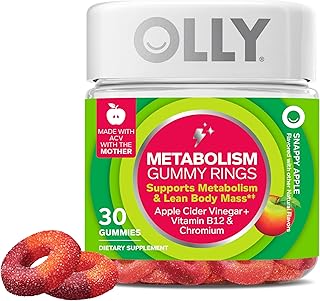 |
$16.97 | 4.3 ★ | ACV, B12, chromium; tasty gummies; energy & digestive support | Buy OLLY |
 |
$7.49 | 4.5 ★ | 800 mcg chromium, supports fat/protein/carb metabolism, 50 tablets | Buy Nature's Bounty |
Each product plays a different role: alli directly aids the deficit by blocking fat absorption, OLLY supports metabolic pathways, and Nature's Bounty Chromium helps regulate blood sugar and cravings. None replace the core strategy: a consistent, moderate calorie deficit.
Frequently Asked Questions
Can I lose weight without counting calories?
Yes, by eating whole foods, controlling portions, and stopping when full. But tracking gives precision. Many find a 500-calorie deficit works best.
How long should I stay in a calorie deficit?
Most people benefit from 8–12 weeks, then a maintenance period. Prolonged deficits can slow metabolism and increase muscle loss.
Are weight loss supplements safe?
Most are safe when used as directed, but always consult a doctor. Products like alli (Orlistat) require medical clearance if you have conditions.
Do I need to exercise to lose weight?
No, but exercise helps preserve muscle and boosts mood. For best results, combine a deficit with strength training and steps.
Final Takeaway
A calorie deficit works—but only when it’s smart and sustainable. Avoid the traps of starvation, supplement hype, and exercise overestimation. Focus on whole foods, a moderate deficit, and tools that genuinely support your journey.
Remember: personal development isn’t about quick fixes. It’s about building habits that serve you for life. Choose strategies that align with your long-term health, not just temporary numbers on the scale.