
Struggling with hunger is the number one reason people abandon their weight loss goals. You cut calories, but your stomach fights back with growls and cravings. The good news? You can create a calorie deficit without enduring constant hunger. It just takes the right strategy.
This guide combines science-backed methods with practical tools and supplements to help you lose weight comfortably. Whether you're a beginner or advanced, these techniques will keep you full and satisfied while you shed pounds.
Table of Contents
What Is a Calorie Deficit?
A calorie deficit simply means you consume fewer calories than your body burns. Your body then taps into stored fat for energy, leading to weight loss. The standard recommendation is a deficit of 300–500 calories per day for gradual, sustainable loss.
But here’s the catch: a large deficit often triggers hunger hormones like ghrelin. When your stomach feels empty, your brain screams for food. That’s why how you create the deficit matters more than how big it is.
Why Most People Feel Starved
Cutting too many calories too fast is a recipe for misery. Many diets rely on deprivation—tiny portions, bland food, and elimination of entire food groups. That approach backfires because it ignores satiety.
Your body doesn’t just need energy; it needs volume, protein, fiber, and mental satisfaction. When any of these are missing, hunger takes over. The solution is to work with your biology, not against it.
Proven Strategies to Avoid Hunger
Prioritize Protein and Fiber
Protein is the most satiating macronutrient. It reduces appetite and helps preserve muscle during weight loss. Aim for at least 20–30 grams per meal from sources like eggs, chicken, Greek yogurt, or tofu.
Fiber, found in vegetables, fruits, beans, and whole grains, adds bulk to food and slows digestion. Together, protein and fiber keep you full for hours. A simple swap: replace refined carbs with high-fiber alternatives.
Eat More Volume, Not Calories
Volume eating is a game-changer. Fill half your plate with low-calorie, high-volume foods like leafy greens, cucumbers, zucchini, or broth-based soups. You can eat a large bowl of roasted vegetables for fewer than 100 calories.
This tricks your stomach into feeling physically full. Your brain registers the stretch receptors and signals satisfaction—even though you’re in a deficit.
Stay Hydrated
Thirst often masquerades as hunger. Drink a glass of water before every meal. Herbal teas and sparkling water also add volume without calories. Aim for at least 8 cups of fluids daily.
Sleep and Stress Management
Lack of sleep increases ghrelin and decreases leptin, the hormone that signals fullness. Chronic stress raises cortisol, which encourages fat storage and cravings. Prioritize 7–9 hours of quality sleep and incorporate stress-reducing practices like meditation or walking.
Helpful Supplements and Tools to Curb Cravings
Supplements aren’t magic pills, but they can support appetite control and metabolism when used alongside a healthy diet. Below are five products that can make your deficit feel easier.

alli Weight Loss Diet Pills contain orlistat, a clinically proven fat blocker that prevents about 25% of dietary fat from being absorbed. This reduces total calorie intake without requiring drastic portion cuts. Take with meals to reduce fat absorption.

Nature’s Bounty Chromium Picolinate helps stabilize blood sugar levels, which reduces sugar cravings and energy crashes. A steady glucose level means fewer hunger spikes throughout the day.
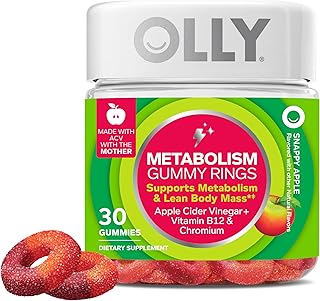
OLLY Metabolism Gummy Rings combine apple cider vinegar, vitamin B12, and chromium in a tasty chewable form. They support metabolic function and digestive health, making them a convenient addition to your daily routine.

Premium Liquid Collagen includes L-carnitine and hyaluronic acid to aid fat metabolism while supporting skin elasticity. Taking it before meals may help curb appetite due to its protein content.
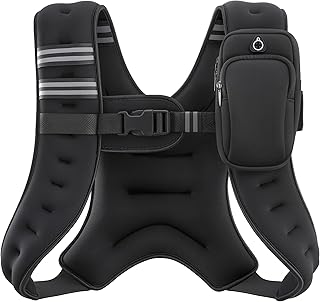
ZELUS Weighted Vest adds resistance to walking or bodyweight exercises, increasing calorie burn without extra time. More calories out means you can eat a little more while still being in a deficit.
Comparison of Top Supplements
Below is a quick look at some popular options to support your calorie deficit.
| Product | Key Features | Price | Rating | Buy at Amazon |
|---|---|---|---|---|
|
Blocks fat absorption, 120 capsules | $65.99 | ⭐4.2 | Buy now |
|
Blood sugar support, 50 tablets | $7.49 | ⭐4.5 | Buy now |
|
ACV + B12 + Chromium, 30 gummies | $16.97 | ⭐4.3 | Buy now |
|
L-Carnitine + collagen, liquid shots | $26.95 | ⭐4.4 | Buy now |
Final Tips to Stay Full Long-Term
- Eat slowly – Your brain takes 20 minutes to register fullness.
- Don’t skip meals – Spread calories evenly across 3–4 meals.
- Include healthy fats – A small amount (avocado, nuts) boosts satiety.
- Use smaller plates – Visual cues trick your brain into feeling satisfied.
Remember, a calorie deficit doesn’t have to mean starvation. Focus on nutrient-dense foods, stay active with tools like a weighted vest, and consider supplements that target appetite and metabolism. With these strategies, you can lose weight comfortably and keep it off.
Frequently Asked Questions
What is a calorie deficit?
A calorie deficit occurs when you consume fewer calories than your body expends in a day. This forces your body to burn stored fat for energy, leading to weight loss.
How do I know if I’m in a calorie deficit?
Track your food intake using an app and compare it to your estimated total daily energy expenditure (TDEE). If you’re eating 300–500 calories below that number, you’re in a deficit. Alternatively, consistent weight loss over 1–2 pounds per week confirms a deficit.
Can supplements really help with hunger?
Yes, certain supplements like chromium picolinate and fat blockers (orlistat) can reduce cravings or block calorie absorption. However, they work best when combined with a balanced diet and exercise.
Are prescription appetite suppressants safe?
Prescription options like Phendimetrazine, Zepbound, or Contrave should only be used under medical supervision. They may be appropriate for individuals with obesity or weight-related health conditions.
How fast can I expect to lose weight in a calorie deficit?
A safe rate is 1–2 pounds per week. Faster loss often leads to muscle loss and rebound hunger. Consistency and patience produce lasting results.