
You’ve probably heard two competing messages: “A calorie is just a calorie” and “It’s all about the macros.” When you’re trying to lose weight, the confusion is real. Do you focus on hitting a certain number of calories, or does the source of those calories (protein, carbs, fat) make the bigger difference?
The short answer is both matter, but they matter for different reasons. Calories determine whether the scale moves down. Macros determine how you feel, how much muscle you keep, and whether you can stick with your plan long enough to reach your goal. Let’s break it down so you can stop guessing and start losing.
Table of Contents
Understanding the Calorie Deficit
A calorie deficit means you consume fewer calories than your body burns. This is the fundamental law of weight loss. Without a deficit, no amount of macro tweaking will drop pounds.
Your body needs energy for everything—breathing, digesting, moving, and thinking. When you provide less energy than it needs, it taps into stored fat for fuel. That’s why a deficit is non‑negotiable for fat loss.
But here’s the catch: the size of your deficit and the quality of your food directly affect your energy, hunger, and long‑term success.
The Role of Calories – The Non‑Negotiable Foundation
Calories are the baseline. You can eat fast food every day and still lose weight if you’re in a deficit. That’s a fact supported by countless studies—including the famous “Twinkie diet” experiment.
Yet relying solely on calorie counting ignores how your body responds to different foods. A 500‑calorie deficit from donuts will leave you hungry, low on energy, and more likely to binge later. A 500‑calorie deficit from lean protein, vegetables, and healthy fats keeps you satisfied and fueled.
The bottom line: Calories drive weight loss, but the quality of those calories determines whether you lose fat or muscle—and whether you can keep going.
The Role of Macronutrients – Quality Beyond Quantity
Macronutrients are the three main categories of food: protein, carbohydrates, and fats. Each plays a distinct role in your body during a calorie deficit.
- Protein preserves muscle mass, boosts satiety, and raises your metabolic rate slightly (thermic effect of food). Aim for 0.7–1.0 gram per pound of body weight when in a deficit.
- Carbohydrates fuel your workouts, support thyroid function, and keep cortisol in check. Don’t cut them unnecessarily.
- Fats are essential for hormone production and vitamin absorption. Too low and your mood and libido can tank.
If you only focus on calories and ignore macros, you risk losing muscle instead of fat. That slows your metabolism and makes maintenance harder.
Macro vs Calories – Which Matters More for Weight Loss?
For pure weight loss on the scale: calories matter more. You cannot out‑macro a calorie surplus.
For sustainable fat loss, body composition, and health: macros matter more. A diet that’s high in protein, moderate in carbs, and adequate in fat helps you:
- Preserve lean muscle
- Control hunger and cravings
- Maintain energy for exercise
- Keep your metabolism humming
Think of it this way: calories are the engine, macros are the fuel quality. You need both to run efficiently.
How to Optimize Both for a Calorie Deficit
Here’s a practical step‑by‑step approach:
- Calculate your maintenance calories using a TDEE calculator. Subtract 300–500 calories for a moderate deficit.
- Set a protein target first – aim for 0.8–1.0 g per pound of body weight.
- Fill the remaining calories with carbs and fats based on your preference. Most people do well with 25–35% fat and the rest carbs.
- Track for a week using an app like MyFitnessPal. You don’t need to do it forever, but it teaches you portion sizes and macro distribution.
- Adjust as needed – if you’re starving, add more protein or fiber. If you’re sluggish, slightly increase carbs.
Remember: consistency beats perfection. A mostly good diet in a deficit beats an “optimized” diet you can’t stick with.
Supportive Products for Your Weight Loss Journey
While food and exercise are the foundation, some products can give you an edge—especially for appetite control, metabolism support, or making workouts more effective.
Here are a few popular options:
-
alli Weight Loss Diet Pills – Orlistat blocks dietary fat absorption. It can help reduce calorie intake by about 25% but may cause digestive side effects.
 – $65.99, 4.2 stars.
 -
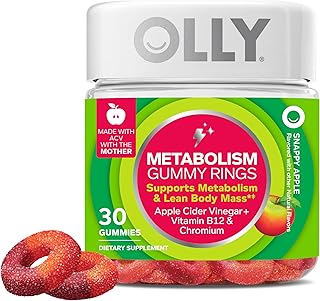
OLLY Metabolism Gummy Rings – These contain apple cider vinegar, vitamin B12, and chromium to support energy and metabolism. They’re a tasty way to fill nutrient gaps.
 – $16.97, 4.3 stars.
 -
Nature’s Bounty Chromium Picolinate – Chromium helps regulate blood sugar and may reduce cravings for carbs. It’s an inexpensive micronutrient support.
 – $7.49, 4.5 stars.
 -
Thermogenic Fat Burner Brazilian Lean – A blend of natural thermogenics aimed at increasing metabolism and reducing bloating.
 – $9.99, 4.1 stars.
 -
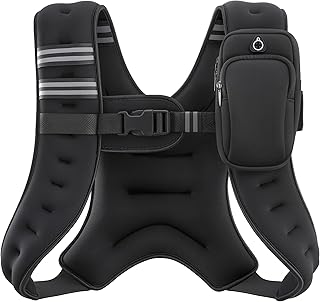
ZELUS Weighted Vest – Adding weight to your walks or runs increases calorie burn without extra time. Great for building strength and reducing bone loss during weight loss.
 – $28.98, 4.6 stars.
 -
Purely Inspired 7-Day Detox Cleanse – Contains senna leaf and digestive enzymes. It’s primarily for bloating relief, not long‑term weight loss.
 – $9.99, 4.2 stars.
 -
Prescription Options – Phendimetrazine ($4.00), Zepbound ($25.00), and Contrave ($50.00) are available via Amazon Pharmacy. They require a doctor’s prescription and can be powerful appetite suppressants, but they’re not for everyone.
Comparison Table of Popular Weight Loss Supplements
| Product | Price | Rating | Key Benefit | Buy at Amazon |
|---|---|---|---|---|
| alli Weight Loss Pills | $65.99 | 4.2 | Blocks dietary fat absorption | |
| OLLY Metabolism Gummy Rings | $16.97 | 4.3 | Supports metabolism with ACV & B12 | |
| Nature’s Bounty Chromium | $7.49 | 4.5 | Helps blood sugar & carb cravings | |
| Thermogenic Brazilian Lean | $9.99 | 4.1 | Natural metabolism boost & anti‑bloat | |
Frequently Asked Questions
Can you lose weight without counting macros?
Yes. Many people lose weight by simply eating fewer calories or following a balanced diet without tracking macros. However, counting macros gives you more control over body composition and hunger. For best results, at least prioritize protein.
How many calories should I eat to lose weight?
It depends on your age, sex, weight, height, and activity level. A moderate deficit of 300–500 calories below maintenance is a safe starting point. Use an online TDEE calculator to get a personalized number.
Do I need to cut carbs to be in a deficit?
No. Carbohydrates are not the enemy. A calorie deficit from any food source will cause weight loss. However, reducing carbs can help some people control appetite. Focus on fiber‑rich carbs like vegetables, legumes, and whole grains.
Are weight loss supplements effective?
Some can provide a small edge—like appetite suppression (alli, Phendimetrazine) or metabolism support (chromium, OLLY). But they are not a substitute for a calorie deficit. Always consult a healthcare provider before starting any supplement, especially prescription ones.
Should I use a weighted vest for weight loss?
A weighted vest is an excellent tool because it increases the calorie burn of walking or running without requiring extra time. It also helps maintain bone density. The ZELUS Weighted Vest is a top‑rated, affordable option.