
Weight loss comes down to one simple truth: you need a calorie deficit. But how do you know you're actually in a deficit without turning food into a math problem? And what if you're tired of logging every bite?
Tracking calories can be a powerful tool for weight loss, but it's not the only path. The key is knowing when to track strictly and when to let go.
Table of Contents
Why Calorie Tracking Works (and Why It Fails)
Calorie counting works because it removes guesswork. When you track accurately, you see exactly where your energy comes from. This awareness alone helps many people lose weight.
But tracking can also backfire. It can lead to obsession, guilt around food, or a false sense of precision. Food labels have a 20% margin of error, and restaurant meals are a wild guess. Relying solely on numbers can disconnect you from your body's natural hunger cues.
The goal is not perfection — it's consistency. Track well enough to stay in a deficit, but not so tightly that you lose your sanity.
How to Track Calories Accurately
If you decide to track, accuracy matters. Here’s how to get the numbers right.
Use a Food Scale (Yes, Really)
Volume measurements like cups and spoons are wildly inaccurate. A "cup" of cereal can vary by 30 grams or more depending on how you pour. A food scale eliminates that guesswork.
Weigh everything you can: pasta, rice, meat, nuts, even spreads. It takes 10 extra seconds per meal and improves accuracy dramatically.
Read Labels and Use Reliable Apps
Apps like MyFitnessPal, Cronometer, and Lose It! have huge databases, but entries vary. Always double-check with the actual label or USDA data. Better yet, scan barcodes with your app.
Don't forget to log cooking oils, dressings, and drinks. A tablespoon of olive oil adds 120 calories. A "zero sugar" latte can still have 150 calories from milk.
Account for Cooked vs. Raw Weights
Calories on packages are usually for raw food. When you cook, water evaporates and food shrinks. A 4-ounce raw chicken breast weighs about 3 ounces cooked, but the calories don't change. Weigh your food raw when possible, or use cooked entries with confidence.
Be Honest About "Bites and Tastes"
That spoonful of peanut butter? The handful of chips from the bag? The leftover sauce you licked off the plate? They all count. Unlogged bites add up to 200–400 calories a day. If you're stuck in a weight loss plateau, start tracking those "invisible" calories.
Common Calorie Tracking Mistakes
Even experienced trackers slip up. Here are the biggest pitfalls to avoid.
- Underestimating liquid calories: Soda, juice, alcohol, and fancy coffee drinks pack serious calories.
- Forgetting hidden ingredients: cooking oil, butter, sauces, and salad dressings.
- Relying on generic app entries: "Homemade lasagna" can be 300 or 800 calories depending on the recipe.
- Not tracking on weekends: A 2-day break can erase a week of deficit.
- Ignoring serving size on packages: A "serving" might be 1/3 cup, not the whole bag.
When Tracking Isn’t Needed (And What to Do Instead)
Calorie counting is a tool, not a lifelong sentence. Here’s when you can put the scale and app away.
When You Have Consistent Eating Habits
If you eat the same staples day in and day out, you already know the rough calories. You don't need to log them every time. Once your meals become routine, your body and mind will settle into a natural balance.
If You Have a History of Disordered Eating
For some people, tracking triggers restriction, bingeing, or guilt. In that case, calorie counting can do more harm than good. Instead, focus on intuitive eating: eat when hungry, stop when full, and prioritize nutrient-dense whole foods.
During Short-Term Diet Breaks
Planned diet breaks or maintenance periods are a perfect time to stop tracking. Use that time to practice hunger awareness and portion control without numbers. This helps you build sustainable habits for life.
When You Prefer an Intuitive Approach
You don't need a calculator to eat well. If you can consistently choose lean proteins, vegetables, healthy fats, and whole grains, and you're losing weight or maintaining, why complicate it? Your body's feedback is just as valuable as a calorie count.
Tools and Supplements That Support Your Calorie Deficit Journey
While tracking is one piece of the puzzle, certain tools and supplements can reinforce your efforts — especially when you want an extra edge.

alli (Orlistat 60 mg) is a non-prescription weight loss aid that blocks about 25% of dietary fat from being absorbed. This effectively reduces calorie intake without requiring you to change your meals. It's not a free pass, but it can help you stay in a deficit.

Nature's Bounty Chromium Picolinate supports metabolism of fat, protein, and carbohydrates. Chromium can help stabilize blood sugar, reducing cravings and helping you stick to your deficit.
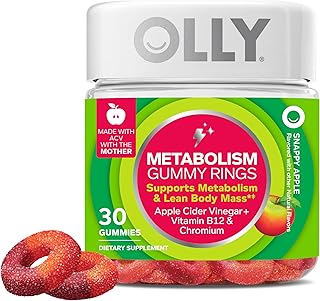
OLLY Metabolism Gummy Rings combine apple cider vinegar, vitamin B12, and chromium in a tasty chewable. This can support energy and digestion while you maintain your deficit.

Premium Liquid Collagen includes hyaluronic acid, biotin, L-carnitine, and apple cider vinegar. L-carnitine may help the body use fat for energy, which supports a calorie deficit. It also promotes skin and hair health.
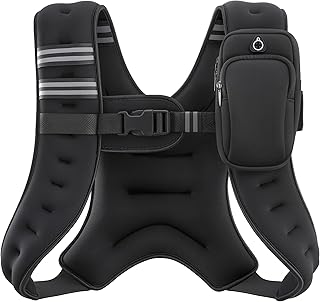
ZELUS Weighted Vest (6–30 lbs) increases calorie burn during walking, running, or strength training. Wearing a weighted vest can turn a casual walk into a fat-burning workout without adding extra time.

Purely Inspired 7-Day Detox Cleanse can be used as a short-term reset. It supports digestion and reduces bloating, which can help you feel lighter and more motivated.
For prescription-strength options, consult your doctor about Zepbound or Contrave. These medications are designed for significant weight loss under medical supervision.
Comparison of Popular Weight Loss Aids
| Product | Image | Key Feature | Price | Rating | Buy at Amazon |
|---|---|---|---|---|---|
| alli (Orlistat 60 mg) | |
Blocks fat absorption | $65.99 | 4.2 | Buy now |
| OLLY Metabolism Gummy Rings | |
ACV + B12 + Chromium | $16.97 | 4.3 | Buy now |
| Nature's Bounty Chromium Picolinate | |
Mineral for metabolism | $7.49 | 4.5 | Buy now |
| Premium Liquid Collagen | |
Collagen + L-Carnitine | $26.95 | 4.4 | Buy now |
| ZELUS Weighted Vest | |
Increases workout intensity | $28.98 | 4.6 | Buy now |
| Purely Inspired 7-Day Detox | |
Short-term reset | $9.99 | 4.2 | Buy now |
Frequently Asked Questions About Calorie Tracking
How many calories should I eat to lose weight?
Your calorie needs depend on age, gender, weight, height, and activity level. A common starting point is to subtract 300–500 calories from your maintenance calories. Use a TDEE calculator to find your number.
Can I trust fitness tracker calories burned?
Fitness trackers are notoriously inaccurate for calorie burn. Most overestimate by 20–50%. Do not eat back all the calories your tracker says you burned. Stick to your food plan and use the tracker only as a rough guide.
Is there a "perfect" app for calorie counting?
Not really, but Cronometer and MyFitnessPal are reliable if you verify entries. Cronometer is more accurate for micronutrients. The best app is the one you'll use consistently.
Do I need to weigh food forever?
No. Many people weigh for 2–4 weeks, learn portion sizes, and then stop. You'll internalize what 4 ounces of chicken or 1 cup of rice looks like, and you can track with your eyes from there.
Can supplements help with a calorie deficit?
Some can, but they are not a substitute. alli blocks fat absorption, chromium may reduce cravings, and OLLY Metabolism supports energy. Always combine supplements with a solid nutrition and exercise plan.
Is it okay to never track calories?
Absolutely. Many people lose weight with intuitive eating, Whole30, low-carb, or simply focusing on whole foods. If tracking stresses you out, don't do it — just make sure you're in a consistent deficit.
What's the best way to track when eating out?
Estimate by comparing portion sizes to your hand or measuring cups. Avoid creamy sauces, ask for dressings on the side, and skip the bread basket. Log your best guess and move on.
Final Thoughts
Tracking calories is a powerful skill — but it's only one tool in your weight loss toolkit. Use it when you need clarity, and put it down when it no longer serves you.
The real goal is not a perfect logbook. It's a sustainable calorie deficit that respects your body, your mind, and your life. Whether you track or not, consistency wins.