
You know the feeling. You set a goal with fire in your belly. You buy the planner, download the app, tell your friends you're finally going to make a change. Then life gets loud, your motivation fades, and you're back on the couch scrolling at 11 PM. It’s not that you lack ambition. You lack follow-through. And that’s exactly where therapy for self discipline comes in.
Therapy for self discipline isn’t about punishing yourself or white-knuckling through cravings. It’s a structured, evidence-based approach that uses coaching, cognitive behavioral therapy (CBT), and smart habit systems to rewire how you show up. Think of it as strength training for your willpower, with professional support. In this article, we’ll break down exactly how these methods work, recommend powerful books to deepen your practice, and give you a clear path forward.
Table of Contents
What Exactly Is Therapy for Self-Discipline?
Therapy for self discipline is a targeted approach to building self-control and consistent action. Unlike generic advice ("just do it"), it addresses the root causes of procrastination, resistance, and self-sabotage. It combines three pillars:
- Coaching – Provides accountability, goal setting, and structured progress.
- Cognitive Behavioral Therapy (CBT) – Identifies and rewrites the thoughts that keep you stuck.
- Habit Support – Uses environment design and tiny routines to make discipline automatic.
This isn't about grinding 24/7. It's about showing up for yourself in a way that feels sustainable and even enjoyable.
Why Willpower Alone Isn't Enough
We've been sold a myth: that discipline is just about gritting your teeth harder. But research shows willpower is a limited resource. When you rely on it alone, you burn out fast. That’s why so many people start strong in January and quit by February.
Therapy for self discipline steps in where willpower fails. It shifts the burden from your overworked prefrontal cortex to systems and trained thought patterns. You stop fighting yourself and start working with your brain instead of against it.
Coaching: Your Personal Accountability Partner
Coaching is one of the most effective forms of therapy for self discipline because it introduces external accountability. A coach doesn't just tell you what to do. They help you clarify your values, set realistic targets, and check in regularly.
Benefits of coaching for self-discipline:
- Structure: You get a clear plan instead of vague goals.
- Feedback: Someone outside your head spots your blind spots.
- Motivation: Deadlines with real consequences keep you moving.
- Support: You have a cheerleader who also pushes you.
Many coaches use frameworks from books like The Power of Discipline: How to Use Self Control and Mental Toughness to Achieve Your Goals – a practical manual that teaches you how to build mental toughness step by step.

Another classic is Brian Tracy’s No Excuses!: The Power of Self-Discipline. It’s a direct, no-fluff guide that coaches use to help clients eliminate excuses and take massive action.
Cognitive Behavioral Therapy (CBT) for Self-Discipline
CBT is a therapeutic approach that connects thoughts, feelings, and behaviors. When applied to self-discipline, it reveals how automatic negative beliefs sabotage your progress.
Think of a common loop: "I didn't work out today because I'm lazy." That thought leads to shame, which leads to eating comfort food, which leads to more guilt. CBT breaks this cycle.
How CBT works for therapy for self discipline:
- Identify the thought – e.g., "I'll never have enough willpower."
- Challenge it – "Is that absolutely true? What evidence do I have?"
- Replace it – "I can build willpower slowly with the right strategies."
Books that integrate CBT principles include The Mountain Is You: Transforming Self-Sabotage into Self-Mastery. This audiobook (free with a trial) digs into why you sabotage yourself and how to flip the script.

Another excellent resource is The Psychology of Self-Discipline: Twenty-Four Proven Strategies to Rewire Your Brain for Consistent Action. It offers concrete CBT-inspired techniques to change your neural pathways.
Habit Support: Building Systems That Stick
Habits are the silent architecture of daily life. Even the best therapy for self discipline won't survive if your environment works against you. Habit support focuses on making good choices easy and bad choices hard.
Key principles:
- Make it obvious: Put your running shoes by the door.
- Make it attractive: Pair a chore with something you enjoy.
- Make it easy: Start with two-minute versions of a habit.
- Make it satisfying: Track progress and reward small wins.
James Clear’s Atomic Habits: An Easy & Proven Way to Build Good Habits & Break Bad Ones is the gold standard here. It’s available for free as an audiobook and has changed millions of lives.

A more intense, stoic approach comes from Discipline Equals Freedom: Field Manual Mk1-MOD1 by Jocko Willink. It’s a no-excuses field guide for those who want their habits to be bulletproof.
Combining Coaching, CBT, and Habit Support
You don't have to pick one. The most powerful therapy for self discipline blends all three. Here’s how they work together in real life:
| Component | Role | Example |
|---|---|---|
| Coaching | Accountability & direction | Weekly check-in to review habit progress |
| CBT | Thought rewiring | Challenge "I'm too tired" with "I can do 5 minutes" |
| Habit Support | Automatic execution | Pre-set morning routine with triggers |
This combo addresses the head, heart, and hands of discipline. You see why you resist (CBT), build a system that works (habits), and have someone in your corner (coaching). It’s the reason many people finally break their cycle of inconsistency.
Top Books to Accelerate Your Therapy for Self Discipline
Books are a fantastic way to deepen your understanding without the cost of one-on-one therapy. Here are the best ones, handpicked for each pillar.
 No Excuses!: The Power of Self-Discipline – Brian Tracy’s pragmatic advice for immediate action.
 The Science of Self-Discipline: The Willpower, Mental Toughness, and Self-Control to Resist Temptation and Achieve Your Goals – Research-backed strategies for building resilience.
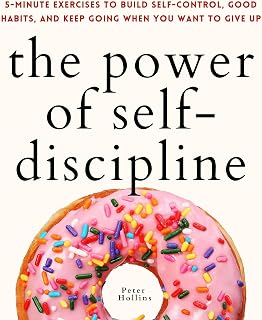 The Power of Self-Discipline: 5-Minute Exercises to Build Self-Control, Good Habits, and Keep Going When You Want to Give Up – Perfect for busy people who need bite-sized practice.
 Digital Self-Discipline: Break Free from Dopamine’s Snare, Overcome Digital Addictions & Reclaim Your Drive – A modern must-read for phone addiction and focus.
 Discipline Is Destiny: The Power of Self-Control (The Stoic Virtues Series) – Ryan Holiday’s stoic take on self-mastery.
 The Four Agreements: A Practical Guide to Personal Freedom – While not strictly about discipline, its principles for inner freedom make consistent action easier.
Comparison Table: Best Books for Therapy for Self Discipline
| Product | Price | Rating | Image | Buy at Amazon |
|---|---|---|---|---|
| No Excuses! | $8.66 | 4.7 | |
Buy Now |
| Atomic Habits | $0.00 (audio) | 4.8 | |
Buy Now |
| The Mountain Is You | $0.00 (audio) | 4.7 |  |
Buy Now |
| Discipline Equals Freedom | $12.93 | 4.7 |  |
Buy Now |
| The Psychology of Self-Discipline | $17.99 | 4.6 |  |
Buy Now |
Practical Steps to Get Started Today
You don't need to overhaul your life overnight. Here’s a three‑step plan to begin your own therapy for self discipline:
- Pick one area to work on – Could be waking up earlier, exercising, or reducing screen time. Be specific.
- Get a book or coach – Grab The Power of Self-Discipline: 5-Minute Exercises or sign up for a coaching program.
- Use the 2‑minute rule – Commit to doing just two minutes of your new habit every day for a week. That’s it. Most of the time you’ll keep going after the two minutes.
Remember, discipline isn’t a personality trait. It’s a skill you can learn. And with the right support, you can finally follow through.
Frequently Asked Questions About Therapy for Self-Discipline
Can therapy for self discipline really change my behavior?
Yes. Unlike generic advice, it uses proven methods like CBT and habit stacking to address the underlying mental blocks. Many people see noticeable improvement within weeks.
Do I need a therapist for therapy for self discipline?
Not necessarily. Coaching works well for accountability, and self‑help books with CBT exercises can be effective. But if you have deep‑rooted issues like anxiety or depression, a licensed therapist is best.
How is coaching different from therapy?
Coaching focuses on future goals and action plans. Therapy often explores past trauma and mental health conditions. Both can support self‑discipline, but coaching is usually more direct and short‑term.
What’s the best book for someone who struggles with procrastination?
Start with Atomic Habits for habit design, then The Mountain Is You for understanding self‑sabotage. Both are free as audiobooks and complement each other perfectly.
How long does it take to build self-discipline?
Most studies suggest it takes 66 days on average for a new behavior to become automatic. But you’ll see small wins much sooner, which builds momentum.
Therapy for self discipline isn't a magic pill. It’s a set of tools, mindsets, and support systems that help you become the person you’ve always wanted to be: someone who finishes what they start, someone who keeps promises to themselves. The resources above are your training ground. Pick one, start small, and watch your follow‑through muscle grow. You’ve got this.