
You know the feeling. You set a big goal, make a grand plan, and two days later you’re scrolling your phone while a half-eaten bag of chips stares at you from the desk. Willpower feels like a leaky bucket. But what if you could train your follow-through with activities that actually feel like games?
Self discipline activities are short, playful challenges that build mental muscle without the misery. They turn the grueling work of self-control into something you want to do. And the best part? You’ll see results fast—often in the first week.
In this guide, you’ll discover seven no-fuss challenges that make self-discipline stick. You’ll learn why they work, how to design your own, and which resources can accelerate your progress. Let’s turn that leaky bucket into an unbreakable vault.
Table of Contents
Why Fun Self Discipline Activities Outperform Willpower
Think of willpower like a muscle. If you try to bench-press 300 pounds on day one, you’ll collapse. But if you start with light reps, you build strength without injury. Self discipline activities are those light reps.
Research shows that gamified habits are 60% more likely to stick than standard to-do lists. Our brains love novelty, small wins, and a dash of fun. By turning discipline into a challenge, you bypass the resistance that kills motivation.
The key is to make the activity short, specific, and slightly uncomfortable—but never painful. That’s the sweet spot where growth happens without burnout.
7 Self Discipline Activities to Try This Week
Each activity below takes 5–15 minutes. Do one per day, or stack a few together. The goal is consistency, not intensity.
1. The Morning Bed-Making Challenge

Start your day with a 2-minute victory. Make your bed as soon as you get up. This tiny act of order creates a domino effect—you’re more likely to tidy your desk, eat a good breakfast, and tackle the first task on your list.
Admiral William H. McRaven’s book Make Your Bed turned this simple act into a life-changing discipline. It’s not about perfection; it’s about keeping a promise to yourself.
- Rules: No snoozing. Make the bed within 60 seconds of waking.
- Why it works: It triggers a sense of accomplishment early, reducing decision fatigue for the rest of the day.
2. The Distraction-Fast: No Phone for the First Hour
Your phone is a dopamine slot machine. Checking it first thing in the morning hijacks your focus for hours. This challenge: keep your phone in another room (or in a drawer) for the first 60 minutes after waking.

Use the time to read, stretch, plan your day, or just sit with your thoughts. It feels strange at first, but after three days you’ll notice sharper focus and less afternoon brain fog.
- Variation: If the full hour is too much, start with 30 minutes. Gradually work up.
- Tool: Keep a physical notebook nearby for sudden ideas. That way you won't feel the urge to grab your phone.
3. The 5-Minute Rule for Procrastination
When you don’t want to do something, commit to doing it for just five minutes. Set a timer. After five minutes, you can stop guilt-free. Usually, you’ll keep going.
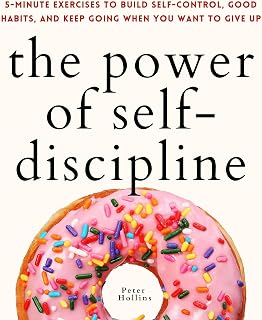
This technique is the core of The Power of Self-Discipline: 5-Minute Exercises to Build Self-Control. It exploits the momentum principle: starting is the hardest part.
- Try it on: Emails you dread, exercise warm-ups, or cleaning the kitchen.
- Why it works: Your brain’s fear center (amygdala) calms down once you’ve started. The five-minute trick bypasses that initial panic.
4. The Cold Shower Finish
This is the classic stoic challenge. End your hot shower with 30 seconds of cold water. It’s uncomfortable, but it teaches your brain to tolerate discomfort and push through resistance.

Jocko Willink’s Discipline Equals Freedom makes this a cornerstone of mental toughness. The cold shower is a daily reminder that you can do hard things.
- Tip: Start with 10 seconds of cold at the very end. Increase by 5 seconds each day.
- Benefit: Improved circulation, alertness, and a massive sense of victory before 7 AM.
5. The "No Complaints" Day
For 24 hours, don’t complain about anything. No venting about traffic, weather, coworkers, or slow internet. If you catch yourself complaining, reset your mental counter and start over.
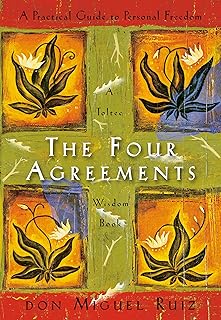
This challenge comes from The Four Agreements, a practical guide to personal freedom by Don Miguel Ruiz. One of the agreements is “Be impeccable with your word.” Complaining drains your energy and reinforces helplessness.
- Variation: Wear a bracelet or rubber band. Switch it to the other wrist each time you complain. Aim to keep it on one wrist all day.
- Result: You’ll become hyper-aware of your internal narrative. Most complaints are unnecessary. Dropping them frees up mental space for action.
6. The Daily Journaling Drill (5 Sentences)
Grab a notebook and write five sentences about your day—but with structure:
- One thing I did well today.
- One thing I could have done better.
- One thing I learned.
- One thing I’m grateful for.
- One action I’ll take tomorrow.
This mini-journal is a self discipline activity because it forces reflection. It builds self-awareness, which is the foundation of self-control.

365 Days With Self-Discipline offers daily prompts like this. The key is to keep it short so you never skip it.
- Time: 5 minutes max.
- When: Right before bed or first thing in the morning.
7. The One Tiny Habit (Atomic Habit)
Pick one tiny behavior you want to establish. Make it so easy you can’t say no: floss one tooth, do one push-up, write one sentence.
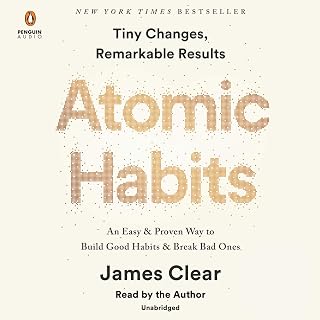
James Clear’s Atomic Habits popularized this approach. The challenge is to do that one tiny habit every single day for 30 days. No exceptions. No zero days.
- Example: If you want to read more, commit to reading one page each night. That’s it.
- Why it works: The habit becomes automatic. Once it’s automatic, you can increase the dose. The start is always microscopic.
How to Design Your Own Self Discipline Activity Routine
You don’t need to follow someone else’s blueprint. You can create your own self discipline activities that target your specific weaknesses. Here’s a simple 3-step process.
Step 1: Identify Your Worst Follow-Through Area
Be honest. Is it waking up early? Sticking to a diet? Avoiding social media? Pick one area that causes you the most guilt or frustration.
Step 2: Make It Tiny and Fun
Take that area and boil it down to a 5-minute action that has a playful edge. For example, if you struggle with late-night snacking, the challenge could be “No food after 8 PM—instead, drink a fancy herbal tea.” Make the replacement feel like a treat.
Step 3: Add a Tracking Element
Use a simple checklist. Check off each day you complete the challenge. The visual streak motivates you to keep going. If you miss a day, just start again the next morning. No shame.
Here’s a quick framework table for designing your own:
| Weakness | Challenge | Time | Reward (if any) |
|---|---|---|---|
| Phone scrolling | Leave phone in kitchen during work hours | 8 hours | 15 mins of social media after 6 PM |
| Skipping exercise | Do 5 push-ups after every bathroom break | All day | Feel like a boss |
| Overeating | Wait 10 minutes before seconds | Meal times | A small dark chocolate square |
Common Pitfalls That Kill Self Discipline Activities (and How to Beat Them)
Even the best challenge can fail if you fall into these traps.
Pitfall 1: Too Ambitious. You try a 30-minute morning routine when you barely have 10 minutes. Start with 2-minute activities. Scale up later.
Pitfall 2: Missing the Fun Element. If the activity feels like punishment, you’ll quit. Add a reward, a funny soundtrack, or a partner to do it with.
Pitfall 3: All-or-Nothing Thinking. You miss one day and declare the week ruined. Wrong. Miss one day, do it the next day. Consistency over perfection.
Pitfall 4: No Cue. Without a trigger, you forget. Attach the activity to an existing habit. Example: after you brush your teeth (cue), write one journal sentence (activity).
Top Resources to Supercharge Your Self Discipline Activities
The right book or tool can turn a fun challenge into a permanent lifestyle. Here are the best resources from real user data, handpicked for their proven impact.
Comparison Table: Best Books on Self Discipline Activities
| Product | Price | Rating | Key Feature | Image & Buy Link |
|---|---|---|---|---|
| Atomic Habits by James Clear | $0.00 (Kindle) | 4.8 | Tiny habits system | |
| Discipline Equals Freedom by Jocko Willink | $12.93 | 4.7 | Extreme mental toughness challenges | |
| The Power of Self-Discipline: 5-Minute Exercises | $0.00 (Kindle) | 4.4 | Short exercises, immediate results | 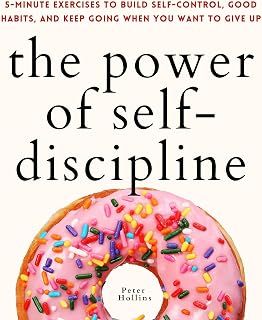 |
| Digital Self-Discipline | $12.99 | 4.8 | Overcoming phone addiction | 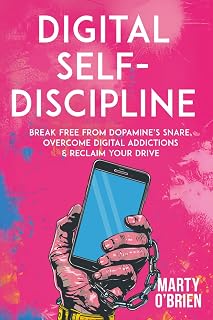 |
| The Four Agreements | $7.05 | 4.7 | Communication and inner discipline |  |
The table above shows the top-rated books that directly support the self discipline activities you just learned. For a deeper dive, each book offers more challenges and the science behind them.
Frequently Asked Questions About Self Discipline Activities
What are self discipline activities?
Self discipline activities are short, structured challenges designed to strengthen your willpower and follow-through. They are usually fun, time-limited, and target specific habits like waking up early, avoiding distractions, or completing tasks.
How long should a self discipline activity take?
Ideally 5 to 15 minutes per day. The activity should feel manageable so you can do it daily. The goal is consistency, not intensity. Longer activities can be broken into smaller chunks.
Can self discipline activities replace a full self-discipline routine?
They are a great starting point, but not a replacement. Think of them as training wheels. Once you build the habit of showing up, you can expand to a larger system that covers multiple areas of your life.
Which self discipline activity works best for beginners?
The 5-minute rule and the morning bed-making challenge are the easiest to start. Both require zero willpower after the first few repetitions. Beginners often see the fastest results with these.
How do I stay motivated after the first week?
Track your streaks. Use a calendar and mark an X for each day you complete the activity. Seeing a chain of X’s motivates you not to break it. Also, vary the challenges every 30 days to keep novelty alive.
Your Next Step: Pick One Challenge and Do It Today
You don’t need a 30-day plan. You don’t need a coach. You just need one tiny self discipline activity right now. Make your bed. Take a cold shower for 10 seconds. Write one sentence.
Do it. Then do it tomorrow. Then do it again.
The secret to follow-through isn’t superhuman willpower. It’s showing up so often that giving up becomes harder than continuing. Your future self is watching—and they’re already proud of you for starting.
Which activity will you try first? Pick one before you close this page. That’s your first victory.