
You know the scene. Your child is melting down because you said no to a second cookie. Or they refuse to leave the playground and suddenly you’re the villain in a very public screaming match. Later, homework time turns into a tug of war over focus and frustration.
These moments are exhausting. But they’re also normal. Kids are not born with built in self regulation strategies for kids. They learn them over time, with practice, guidance, and a whole lot of patience.
The truth is, self regulation is the foundation of self discipline. And self discipline is what helps children navigate big emotions, handle transitions without drama, and stick with homework even when it’s boring. The good news? You can teach these skills starting today with the right tools.
In this guide, we’ll break down exactly what self regulation strategies for kids look like in real life. You’ll get quick tools for tantrums, smoother transitions, and less homework battles. Plus, we’ll share some powerful resources that can help you become the calm, consistent guide your child needs.
Table of Contents
What Are Self Regulation Strategies for Kids? (And Why Do They Matter?)
Self regulation is the ability to manage your emotions, thoughts, and behaviors in different situations. It’s what allows a child to pause before hitting, to take a deep breath instead of screaming, and to keep working on a problem even when it gets hard.
Think of it as the inner thermostat. When emotions run hot, self regulation helps cool things down. When focus wavers, it helps dial back in.
Self regulation strategies for kids are the specific techniques and routines that teach this skill. They are not about punishment or forcing compliance. They are about coaching the brain to handle life’s ups and downs with more flexibility and less meltdown.
Why does this matter? Because children who learn self regulation early tend to:
- Form stronger friendships
- Perform better academically
- Cope with disappointment without falling apart
- Develop long term self discipline
And yes, it also makes your days a whole lot smoother.
The Connection Between Self Regulation and Self Discipline
Self discipline often gets a bad rap. People imagine rigid rules or endless willpower. But at its core, self discipline is simply the ability to choose what’s best over what’s easy. And that starts with regulating your impulses.
When a child can say “I’m angry, but I’ll use my words instead of hitting,” they are practicing both self regulation and self discipline. The two skills feed each other.
As a parent, building your own self discipline can make you a more effective teacher. That’s why we’ll highlight a few powerful books later that can help you strengthen your own mindset. Because when you model calm, focused behavior, your child learns by watching.
Quick Tool #1: Stop the Tantrum Before It Peaks
Tantrums are not bad behavior. They are a sign that a child’s emotional brain has overwhelmed their thinking brain. At that moment, logic and reasoning are useless. You need regulation before redirection.
Here are three self regulation strategies for kids that work in the middle of a meltdown:
1. Name the emotion first
“I see you’re really angry because we have to leave the park.” Naming the feeling helps the child feel understood and activates the prefrontal cortex. It’s like putting a label on a messy box. Suddenly the mess feels more manageable.
2. Use a calming tool
Keep a small “calm down kit” handy. It could include a stress ball, a small bottle of bubbles (breathing through a wand slows the nervous system), or a sensory toy. The action of squeezing or blowing shifts the child’s focus from the upset to a physical sensation.
3. Offer a choice, not a command
“Do you want to walk to the car like a penguin or like a robot?” Humor and choice give the child a sense of control. They still leave the park, but they get to decide how. This simple reframe can defuse a tantrum in seconds.
Pro tip: Practice these tools when your child is calm. Role play a pretend tantrum. The brain learns new patterns through repetition, not during the crisis.
Quick Tool #2: Make Transitions Smooth (Instead of a Battle Zone)
Transitions are hard for kids because they require shifting attention from something pleasurable to something less interesting. The brain resists that change. That’s why “five more minutes” never works.
Effective self regulation strategies for kids for transitions rely on preparation and predictability.
Use a visual timer
A visual timer (like a Time Timer) shows the passing of time in a concrete way. Kids can see that red disappearing wedge. When they know exactly when the change will happen, the surprise factor vanishes.
Create a transition ritual
Sing a short song, clap a pattern, or say a special phrase before every transition. The ritual signals “change is coming” without a power struggle. Over time, your child’s brain will associate the ritual with the upcoming shift and comply more easily.
Offer a “bridge” activity
If your child is deep in play, give them one small thing to hold onto during the transition. “You can carry this toy to the car and we’ll put it by your seat.” That physical object acts as a comfort and a bridge between activities.
Quick Tool #3: Conquer Homework Battles Without the Tears
Homework battles often start because the task feels too big or too boring. The child’s self regulation runs out before the work is done. You need strategies that break the work into manageable pieces and build momentum.
The “start small” rule
Set a timer for just two minutes. “Let’s see how many math problems we can do in two minutes.” Once started, the hardest part is over. Often the child will keep going after the timer rings.
Use a “do something, then get something” chart
Create a simple sheet with three homework tasks. After each one, the child gets a small reward: a sticker, a minute of screen time, or a high five. This external reward system gradually internalizes into self motivation.
Teach the “body check”
When frustration rises, ask your child to do a quick body scan: “Are your shoulders tight? Is your breathing shallow?” Teaching them to notice physical signs of stress is a core self regulation strategy for kids. Once they notice, they can take a deep breath or stretch before trying again.
Tools for Parents: Build Your Own Self Discipline to Model Better
Kids learn self regulation mostly by watching the adults around them. If you stay calm during a crisis, they absorb that. If you lose your cool and yell, they learn that too. Strengthening your own self discipline is one of the most powerful gifts you can give your child.
Here are some highly rated books that can help you build unshakable self control and focus. Consider them investments in your parenting toolkit.
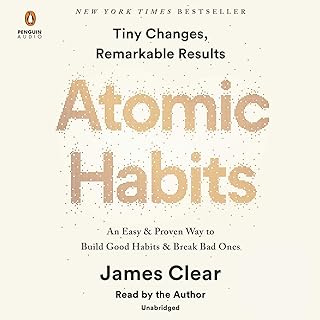
Atomic Habits by James Clear – Rating: 4.8 (148,600+ reviews) – Price: $0.00 (Audible)
This book teaches you how to build small habits that stick. The same principles apply to helping your child develop daily routines without resistance.
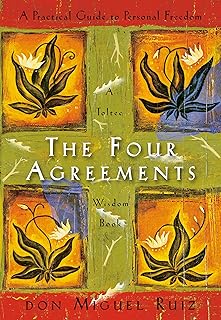
The Four Agreements by Don Miguel Ruiz – Rating: 4.7 (121,000+ reviews) – Price: $7.05
A practical guide to personal freedom. The agreement “Don’t take anything personally” is pure gold for parenting. It helps you stay calm when your child pushes your buttons.
Discipline Equals Freedom by Jocko Willink – Rating: 4.7 (8,800+ reviews) – Price: $12.93
A no nonsense field manual. It’s perfect for parents who want a kick in the pants to develop mental toughness and show their kids what true commitment looks like.
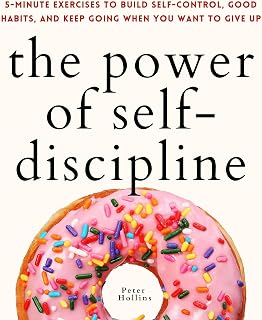
The Power of Self-Discipline by Peter Hollins – Rating: 4.4 (1,100+ reviews) – Price: $0.00 (Audible)
Five minute exercises you can do even on busy mornings. These tiny drills build the self control you need to respond instead of react.
Comparison Table: Top Books for Building Self Discipline
| Product | Price | Rating | Key Benefit | Buy at Amazon |
|---|---|---|---|---|
 |
$0.00 | 4.8 | Habit systems that stick | Buy Now |
 |
$7.05 | 4.7 | Emotional freedom for parents | Buy Now |
 |
$12.93 | 4.7 | Mental toughness field manual | Buy Now |
 |
$0.00 | 4.4 | Quick 5 minute exercises | Buy Now |
Each of these books can help you cultivate the self discipline you need to be a calm, consistent guide for your child. Pick one that resonates and start reading today.
Why Consistency Matters More Than Perfection
No parent gets it right every time. You will lose your cool. You will give in sometimes. That’s human. The key is to return to the strategy, not to aim for zero mistakes.
Children need to see you regulate your own emotions too. When you mess up, say: “I got frustrated and yelled. I’m sorry. Let me try that again.” That models apology, repair, and self correction. It’s one of the most powerful self regulation strategies for kids because they see it in action.
The Long Game: How Self Regulation Becomes Self Discipline
Over weeks and months, using these tools consistently rewires your child’s brain. The pause before reacting becomes automatic. The deep breath becomes a habit. Homework becomes a routine, not a fight.
This is the path from emotional chaos to self discipline. And you are the guide.
Think of it like teaching someone to ride a bike. At first you hold the seat, run alongside, offer encouragement. Then one day they pedal away on their own. That’s what self regulation strategies for kids do. They build the muscles your child will use for a lifetime.
Frequently Asked Questions About Self Regulation Strategies for Kids
Q: At what age can a child start learning self regulation?
A: As early as 18 months, children can begin to learn basic calming strategies like taking a breath or handing a toy to an adult. More complex skills develop between ages 3 and 7.
Q: How long does it take for a strategy to become habit?
A: Research suggests 18 to 254 days depending on the child and the behavior. Be patient. Consistency matters more than speed.
Q: What if my child refuses to use any calming tool?
A: Model it yourself. Say “I feel frustrated. I’m going to take three deep breaths.” Kids often copy what they see. Also, try different tools until one clicks.
Q: Are these strategies effective for children with ADHD or autism?
A: Yes, with modifications. Visual timers, sensory tools, and predictable routines are especially helpful. Consider working with an occupational therapist for tailored support.
Q: Can I use rewards to encourage self regulation?
A: Absolutely. Short term rewards (stickers, extra playtime) can motivate the practice. Over time, the internal satisfaction of self control takes over.
Your Next Step: Start Small, Stay Calm
You don’t need to overhaul your entire parenting approach overnight. Pick one self regulation strategy for kids from this article and try it tomorrow morning. Maybe it’s naming the emotion during a tantrum. Maybe it’s using a visual timer for the next transition.
Notice what happens. The change may be small at first. But small shifts, repeated daily, create massive transformation.
And if you need a boost of your own self discipline, grab one of the books we shared. Read a few pages each night. Let the principles sink in.
You’ve got this. Your child has this. And every calm, consistent moment you create together is building a stronger, more capable future.
Now go take that first step. The freedom is waiting.