
You tell yourself you’ll wake up early, eat clean, and finally start that project. Then the alarm buzzes, and suddenly your bed becomes a magnet. Sound familiar? Understanding the self regulation definition psychology offers isn’t just academic trivia—it’s the key to unlocking why you do what you do. And more importantly, how to change it.
Self-regulation is the psychological process that helps you steer your thoughts, emotions, and actions toward long-term goals, even when temptation is screaming your name. It’s the engine behind self-discipline, the muscle that gets you to write that report instead of scrolling TikTok for “just five more minutes.”
If you want to master your habits and build a life you’re proud of, you need to know what self-regulation really means in psychological terms. Let’s dive deep.
Table of Contents
What Is the Self Regulation Definition Psychology?
In psychology, self regulation definition refers to the ability to monitor and control your own behavior, emotions, and thoughts in pursuit of goals. It’s not about being a robot with zero fun—it’s about being the pilot of your own life.
According to psychologist Roy Baumeister, self-regulation operates like a muscle. It gets tired when overused (ego depletion), but it can also be strengthened with consistent practice. The core components include:
- Self-monitoring – Being aware of your current state versus your desired state.
- Self-evaluation – Comparing yourself to standards or goals.
- Self-reinforcement – Rewarding yourself for progress or adjusting course when you slip.
Think of it as your internal GPS. You set the destination (goal), the GPS tracks where you are, tells you when you’re off course, and suggests a new route. Without self-regulation, you’re driving blindfolded.
Why Self-Regulation Impacts Behavior So Deeply
You might wonder: if self-regulation is just “willpower,” why does it have such a huge effect on behavior? Because it’s the foundation of almost every goal you set.
Consider these everyday scenarios:
- You see a donut in the break room. Your impulse says “eat it.” Self-regulation pauses, evaluates whether that donut aligns with your health goals, and chooses water instead.
- You want to yell at your boss. Self-regulation helps you breathe, count to ten, and respond professionally.
- You’re tired after work but promised to hit the gym. Self-regulation gives you a mental push to lace up your shoes anyway.
Every time you override an automatic urge for a better long-term outcome, you’re using self-regulation. It’s the difference between being a passenger in your own life and being the driver.
The Role of Emotions
Emotions are powerful hijackers. When you’re angry, scared, or even overly excited, rational decision-making goes out the window. Self-regulation helps you downregulate those emotions so you can think clearly. This is often called emotional regulation, a subset of self-regulation.
Link to Self-Discipline
Self-discipline is the outward expression of self-regulation. It’s the “doing” part. The self regulation definition psychology emphasizes the internal processes (awareness, evaluation, control) that lead to disciplined action. You can’t have one without the other.
The Science Behind Self-Regulation
Psychologists break self-regulation into three phases:
- Goal setting – Choosing what you want to achieve.
- Monitoring – Keeping track of your progress.
- Operating – Taking action to close the gap between current state and goal.
A classic study by Walter Mischel (the Stanford marshmallow experiment) showed that children who could delay gratification (a form of self-regulation) had better life outcomes decades later. That’s how powerful this skill is.
| Phase | Description | Example |
|---|---|---|
| Goal Setting | Define a clear target | “I will save $500 by December” |
| Monitoring | Track your behavior | Log daily spending in an app |
| Operating | Adjust actions to align with goal | Skip the morning latte to save $4 |
Self-regulation fails when any of these phases breaks down. You might set a goal but never check your progress, or you monitor but don’t adjust when you slip.
How to Strengthen Your Self-Regulation (And Build Self-Discipline)
The good news: self-regulation is a trainable skill. It’s not a fixed trait you’re born with. Here are evidence-based strategies:
1. Reduce Decision Fatigue
Every decision drains your regulatory resources. Automate as much as possible: meal prep, lay out workout clothes the night before, use a morning routine that doesn’t require choices.
2. Practice Mindfulness
Mindfulness boosts self-monitoring. When you’re aware of your urges, you can choose to respond instead of react. Even 5 minutes of meditation daily can improve self-regulation.
3. Set Implementation Intentions
Instead of “I’ll exercise more,” say “If it’s 6 AM, then I will put on my running shoes.” This if-then planning offloads the decision to your subconscious.
4. Build Self-Discipline with Small Wins
Small acts of discipline (making your bed, resisting a snack) strengthen your self-regulation muscle over time. You don’t need to run a marathon on day one.
5. Manage Your Environment
Remove temptations from your immediate surroundings. If you want to eat healthier, don’t keep cookies on the counter. Self-regulation is easier when you don’t have to fight visible triggers.
Books to Accelerate Your Self-Discipline Journey
If you’re ready to go deeper, some of the best minds have written guides on self-discipline and self-regulation. Below are top-rated books that align with the self regulation definition psychology and practical application.
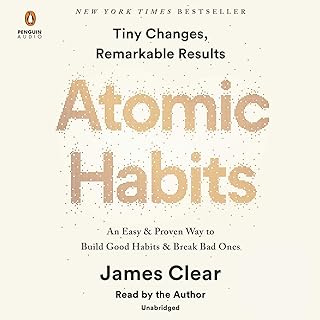
Atomic Habits by James Clear (4.8 stars, $0.00 audio free with trial) teaches you how tiny changes lead to remarkable results. It’s rooted in the psychology of habit formation, which is a direct application of self-regulation.

The Power of Discipline by Daniel Walter (4.6 stars, $16.83) is a practical workbook for using self-control and mental toughness to crush your goals. It includes exercises to rewire your brain for consistent action.

The Mountain Is You by Brianna Wiest (4.7 stars, $0.00 audio free with trial) explores why we self-sabotage and how to transform that into self-mastery. It’s a deep dive into the emotional side of self-regulation.

No Excuses! The Power of Self-Discipline by Brian Tracy (4.7 stars, $8.66) is a classic that covers personal discipline in business, health, and relationships. Straight to the point.
Quick Comparison of Top Picks
| Product | Price | Rating | Key Focus | Buy |
|---|---|---|---|---|
|
$0.00 (audio trial) | 4.8 | Small habits, systems | Buy on Amazon |
|
$16.83 | 4.6 | Self-control, mental toughness | Buy on Amazon |
|
$0.00 (audio trial) | 4.7 | Self-sabotage, emotional regulation | Buy on Amazon |
|
$8.66 | 4.7 | Practical discipline, goal setting | Buy on Amazon |
Each of these books offers unique insights into the self regulation definition psychology and how to apply it to your life. Whether you prefer habit hacks, stoic philosophy, or practical exercises, there’s something here for you.
Common Myths About Self-Regulation
Let’s clear up a few misconceptions:
Myth 1: Self-regulation means suppressing your feelings.
Reality: It’s about managing emotions, not stifling them. You acknowledge the craving for chocolate, then decide if it serves your goals.
Myth 2: You either have willpower or you don’t.
Reality: Willpower fluctuates daily. Self-regulation is a skill you can improve with practice and strategy.
Myth 3: Self-discipline is about being harsh with yourself.
Reality: The most effective self-regulation is self-compassionate. Beating yourself up after a slip drains your resources. Instead, learn and move on.
Real-Life Application: A Day in the Life of Self-Regulation
Meet Alex. Alex wants to get promoted. That requires finishing a big project by Friday. But Alex also loves video games.
- Morning: Alex feels an urge to play “just one match.” Self-regulation steps in: “One match usually becomes three. I’ll schedule gaming after work as a reward.”
- Afternoon: Alex gets a frustrating email from a coworker. Impulse says “fire back a sarcastic reply.” Self-regulation says “take a breath, walk around the block, respond professionally.”
- Evening: Alex is tired and the sofa calls. But he set a 6 PM alarm to review the project. Self-regulation + a strong routine gets him to the desk.
By the end of the week, Alex finishes the project, earns praise, and still played some games (just not during work hours). That’s self-regulation in action.
Frequently Asked Questions About Self-Regulation
What is the self-regulation definition in psychology?
Self-regulation in psychology is the capacity to monitor and control one’s own behavior, emotions, and thoughts in order to achieve long-term goals. It involves setting standards, monitoring progress, and exerting control over impulses.
How does self-regulation differ from self-control?
Self-control is the act of resisting a short-term temptation, while self-regulation is a broader process that includes setting goals, monitoring, and adjusting. Self-control is one component of self-regulation.
Can self-regulation be improved?
Absolutely. Like a muscle, self-regulation gets stronger with consistent practice. Techniques include mindfulness, habit stacking, reducing decision fatigue, and improving sleep and nutrition.
Why is self-regulation important for behavior change?
Because most behavior change requires overriding automatic habits. Self-regulation gives you the pause needed to choose a better action. Without it, you default to old patterns.
Are there disorders related to poor self-regulation?
Yes. Conditions like ADHD, addiction, and borderline personality disorder often involve deficits in self-regulation. However, everyone experiences lapses. The key is to identify weak points and build strategies.
How do emotions affect self-regulation?
Emotions can derail self-regulation quickly. When you’re stressed, sad, or angry, your prefrontal cortex (the “CEO” of the brain) goes offline. Learning to regulate emotions is crucial for overall self-regulation.
Bringing It All Together: Your Next Step
Understanding the self regulation definition psychology is the first step toward taking control of your actions and your life. It’s not about perfection; it’s about progress. Every time you pause before reacting, every time you choose the harder right over the easier wrong, you’re flexing that mental muscle.
Start small. Pick one area where you want better self-discipline. Maybe it’s waking up 15 minutes earlier. Or drinking one less soda. Use the strategies we covered and track your progress with a simple journal.
You have more power than you think. Self-regulation is the tool. Now go build the life you want.
“The greatest battles are fought within the four walls of your mind.” – Unknown
If you want to accelerate your journey, grab one of the recommended books above. They’re packed with insights that make the psychology practical.