
You know the feeling. You set a goal, feel fired up, and then… you find yourself scrolling social media at midnight, eating the cookie you swore you’d avoid, or hitting snooze for the fifth time. That’s the self control opposite in action.
The self control opposite isn’t just a lack of willpower. It’s a pattern of impulsivity, instant gratification, and giving in to every urge that whispers, “You deserve a break right now.” Understanding what it looks like, why your brain defaults to it, and how to systematically rebuild self-discipline can transform your life. And no, you don’t need to be born with iron willpower. You just need the right tools and mindset.
In this deep dive, we’ll uncover the hidden drivers of poor self-control, walk through proven strategies to flip the switch, and introduce you to the best resources (including top‑rated books like Atomic Habits, No Excuses!, and more) that have helped millions master their impulses.
Table of Contents
What Does the Self Control Opposite Look Like in Real Life?
The self control opposite shows up in ways you might recognize all too well. It’s not a character flaw. It’s a set of behaviors that feel automatic, but they can be unlearned.
Common signs you’re stuck in the self control opposite
- Impulsive spending – buying things you don’t need because the dopamine hit feels good in the moment.
- Procrastination – postponing important tasks for low‑value distractions, even when you know you’ll regret it.
- Emotional eating or drinking – using food or alcohol to numb stress instead of dealing with the root cause.
- Quitting goals too early – starting a workout plan or side hustle, then giving up after one setback.
- Scrolling instead of sleeping – sacrificing rest for cheap entertainment, then wondering why you’re exhausted.
- Saying yes to everything – overcommitting because you can’t stand the discomfort of disappointing others.
Each of these is a symptom of the same underlying issue: your brain has learned to prioritize immediate pleasure over long‑term payoff. The good news? That wiring can be rewritten.
Why Does the Self Control Opposite Happen? The Science Behind the Struggle
Before you can rebuild self-discipline, you need to understand what’s working against you. It’s not about being weak. It’s biology, environment, and habit loops.
Your brain’s reward system is hijacked
Every time you give in to a temptation, your brain releases dopamine. That “feel‑good” chemical reinforces the behavior. Over time, your brain learns that the easiest path to pleasure is the one you’ve already taken. That’s why the self control opposite becomes your default.
Willpower is a limited resource (but you can train it)
Psychologist Roy Baumeister’s research shows that willpower depletes throughout the day like a muscle. After a long day of decisions, your resistance is low. This is why you’re more likely to binge Netflix at 10 PM than at 10 AM. The solution isn’t to rely on willpower alone it’s to create systems that make the right choice easier.
Your environment triggers automatic habits
If your phone is next to your bed, your brain will reach for it. If the cookie jar is on the counter, you’ll eat the cookies. Environment design is one of the most powerful levers for reversing the self control opposite. As James Clear explains in Atomic Habits, “You do not rise to the level of your goals. You fall to the level of your systems.”
Lack of clear identity fuels inconsistency
When you say, “I’m trying to quit sugar,” you still see yourself as someone who eats sugar. But when you say, “I’m not a sugar eater,” your behavior aligns with your identity. The self control opposite thrives when you lack a clear sense of who you want to become.
How to Rebuild Self-discipline: A Step‑by‑Step Approach
Rebuilding self-discipline isn’t about white‑knuckling through cravings. It’s about retraining your brain, reshaping your environment, and stacking small wins. Here’s a practical framework.
1. Start with one tiny habit
Pick one behavior that represents the self control opposite you want to eliminate. Maybe it’s checking your phone first thing in the morning. Replace it with a two‑minute habit: drink a glass of water, take three deep breaths, or make your bed. Success breeds success.
2. Design your environment for discipline
Remove temptations and add friction to bad habits. Keep your phone in another room while you work. Put unhealthy snacks out of sight. Make the disciplined choice the easiest choice. William H. McRaven’s book Make Your Bed is a brilliant reminder that small daily disciplines create a ripple effect.
3. Use the “10‑minute rule”
When you feel the urge to give in, tell yourself you can have it in ten minutes. Most cravings pass within that window. This simple delay trains your brain to pause before acting on impulse.
4. Build self‑awareness through tracking
Keep a simple log of when you give in to the self control opposite and what triggered it. Over time, you’ll spot patterns. Maybe you always reach for junk food after a stressful meeting. Awareness is the first step to change.
5. Strengthen your “discipline muscle” daily
Treat self-discipline like a physical muscle. Practice small acts of self‑control every day. Stand up straight. Reply to emails immediately. Stick to your sleep schedule. Each small win builds momentum.
6. Reframe failure as data
You will slip. That’s not a sign that you’re broken. It’s information. Ask: “What can I learn from this?” Then adjust your system. The book The Mountain Is You (rated 4.7 stars) dives deep into transforming self‑sabotage into self‑mastery.
7. Anchor to a strong reason why
When discipline feels hard, remind yourself why you started. Write it down. Read it aloud. Connect your daily actions to a larger purpose. Purpose fuels persistence when motivation fades.
Powerful Books to Accelerate Your Self‑Discipline Journey
Reading the right books is like installing a new operating system for your brain. Below are the best resources (all from our selected Amazon products) to help you understand and conquer the self control opposite. Each book is linked for easy access.
Foundational Books for Self‑Discipline
These are the classics that give you the core principles and practical strategies to build lasting self‑discipline.
| Book | Price | Rating | Key Focus | Buy at Amazon |
|---|---|---|---|---|
 |
$8.66 | 4.7 | The power of self‑discipline in all areas of life | Buy Now |
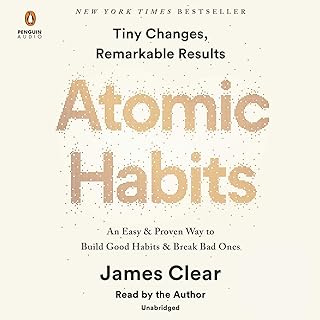 |
$0.00 (audible) | 4.8 | Building good habits & breaking bad ones | Buy Now |
 |
$5.88 | 4.7 | Stoic self‑control and the art of mastery | Buy Now |
 |
$6.95 | 4.7 | Small disciplines that change everything | Buy Now |
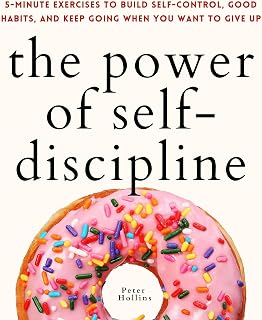 |
$0.00 (audible) | 4.4 | 5‑minute exercises to build self‑control | Buy Now |
Understanding the Psychology Behind Self‑Control
If you want to go deeper into why the self control opposite happens and how to rewire your brain, these books are gold.
| Book | Price | Rating | Key Focus | Buy at Amazon |
|---|---|---|---|---|
 |
$17.99 | 4.6 | 24 strategies to rewire your brain for consistent action | Buy Now |
 |
$0.00 (audible) | 4.5 | Willpower, mental toughness, and resisting temptation | Buy Now |
 |
$0.00 (audible) | 4.7 | Transforming self‑sabotage into self‑mastery | Buy Now |
 |
$0.00 (audible) | 4.5 | Daily thoughts on self‑control and resilience | Buy Now |
 |
$0.00 (audible) | 4.7 | Living with purpose in a world of distractions | Buy Now |
Workbooks and Daily Practice Guides
Sometimes you need a hands‑on plan. These books give you exercises and 30‑day programs to rebuild self‑discipline one day at a time.
| Book | Price | Rating | Key Focus | Buy at Amazon |
|---|---|---|---|---|
 |
$0.00 (audible) | 4.3 | A 30‑day program to build discipline | Buy Now |
 |
$12.99 | 4.8 | Break free from digital addictions | Buy Now |
|
$0.00 (audible) | 4.4 | 5‑minute exercises for busy people | Buy Now |
 |
$0.00 (audible) | N/A | The key to achieving anything | Buy Now |
Stoic and Spiritual Approaches
For those who want ancient wisdom combined with modern science, these books offer a unique perspective on the self control opposite.
| Book | Price | Rating | Key Focus | Buy at Amazon |
|---|---|---|---|---|
 |
$19.99 | 4.7 | 33 ancient secrets to unbreakable self‑control | Buy Now |
 |
$13.99 | 4.8 | 30‑day stoic program for focus | Buy Now |
 |
$7.05 | 4.7 | Personal freedom through four simple agreements | Buy Now |
 |
$14.99 | 4.6 | The discipline of preaching to yourself | Buy Now |
 |
$18.63 | 5.0 (new) | The discipline of saying no | Buy Now |
The Daily Framework to Beat the Self Control Opposite
Knowing why you struggle is half the battle. The other half is taking consistent action. Here’s a simple daily framework you can start using today.
Morning: Set your intention
- Write down the one thing you’ll say no to today.
- Read a few pages from a discipline book (like No Excuses! or Discipline Is Destiny).
- Prepare your environment so the disciplined choice is the easy one.
Midday: Pause before impulses
- When you feel the pull toward the self control opposite, take three breaths.
- Ask: “Will this help the person I want to become?”
- If the answer is no, delay it for ten minutes. Usually the urge passes.
Evening: Reflect and reset
- Review one win and one slip from the day.
- Adjust your system for tomorrow (e.g., delete tempting apps, move snacks).
- Read one short entry from 365 Days With Self‑Discipline for a daily dose of perspective.
Weekly: Deepen your learning
- Read a chapter from a psychology‑focused book like The Psychology of Self‑Discipline or The Science of Self‑Discipline.
- Complete one exercise from The Power of Self‑Discipline: 5‑Minute Exercises.
Why Most People Fail (and How You Won’t)
The biggest mistake people make when trying to escape the self control opposite is relying on motivation alone. Motivation is like a wave it comes and goes. Discipline is the structure you build so you keep moving even when the wave crashes.
Here are the top reasons people fail, and how to avoid them:
- Trying to change everything at once. Too many habits at once overwhelm your willpower. Focus on one change for 30 days.
- Ignoring your environment. If your phone is always within reach, you’ll check it. Move it to another room.
- No accountability. Share your goal with a friend or join a community. The book Yes to You, No to Them teaches the power of saying no, but you also need to say yes to support.
- All‑or‑nothing thinking. One slip doesn’t ruin everything. Get back on track immediately. Perfection is not the goal; consistency is.
FAQ About the Self Control Opposite
What is the opposite of self‑control?
The self control opposite is impulsivity, lack of restraint, and giving in to immediate gratification despite long‑term consequences. It shows up as procrastination, emotional eating, overspending, and quitting goals early.
Can you rewire your brain to have more self‑discipline?
Absolutely. Neuroplasticity means your brain changes with repeated behavior. By practicing small acts of discipline daily, you strengthen the neural pathways associated with self‑control. Resources like Atomic Habits and The Power of Discipline offer evidence‑based techniques to rewire your brain.
Why do I have no self‑control when I’m tired?
Willpower depletes throughout the day. When you’re tired, your brain’s prefrontal cortex (responsible for decision‑making) is running on low fuel. That’s why late‑night decisions are often poor. The solution is to automate good habits and remove temptations before fatigue sets in. Mindful Self‑Discipline teaches how to live with purpose even when energy is low.
How long does it take to rebuild self‑discipline?
It varies, but many experts agree that 30 days of consistent practice can create noticeable change. Books like Self Discipline: 30 Days to Self Discipline and STOIC DISCIPLINE 30 DAYS are built around this timeframe. However, mastery is a lifelong journey. Celebrate every small win.
What is the single most effective thing I can do right now?
Start by making your bed. It’s a tiny act of discipline that sets the tone for the rest of your day. Admiral William McRaven’s Make Your Bed explains why this simple habit can change your life. Then, pick one other small habit and commit to it for 30 days.
Your Next Step: Commit to Action
The self control opposite doesn’t have to be your default. Every time you resist an impulse, you build a stronger version of yourself. The journey isn’t about being perfect. It’s about being a little better today than you were yesterday.
Pick one strategy from this article. Choose one book from the tables above. Order it (or start the Audible version for free like The Power of Self‑Discipline or The Mountain Is You). Read one chapter. Apply one lesson.
You already have everything you need to change. Now go do it.