
You have one of the most demanding jobs on the planet. Every day you walk into a room full of thirty different personalities, thirty different home lives, and thirty different versions of “I didn’t do my homework.” And somehow you are expected to remain calm, teach effectively, and inspire young minds without losing your own mind in the process.
That is exactly where the self discipline of a teacher becomes your secret superpower. Not the kind of discipline that means punishing kids or forcing yourself to grade papers until 2 AM. We are talking about real, inner discipline that keeps you grounded when a student talks back, keeps you consistent when you are exhausted, and helps you stay effective without burning out.
This article is a deep dive into what self-discipline really looks like in the classroom and how you can build it without turning into a robotic taskmaster. We will cover practical strategies, the psychology behind staying calm, and the best resources (including some top-rated books) that can help you master your own mind.

Table of Contents
Why the Self Discipline of a Teacher Matters More Than You Think
Most people think discipline is about willpower. They imagine a teacher standing silently at the front of the room, never raising their voice, never showing a crack in the armor. But that image misses something crucial. Real teacher self-discipline is not about suppressing emotions. It is about regulating them so you can choose your response instead of reacting on autopilot.
Without this skill, burnout is almost guaranteed. According to a 2023 Gallup survey, teachers are the most burned‑out profession in the United States. The ones who survive and thrive are not the ones with the most knowledge. They are the ones who have mastered the self discipline of a teacher in their own mind.
- Calm under pressure – You cannot control what a student does, but you can control how you respond.
- Consistent routines – Structure reduces chaos for you and for your students.
- Effective boundaries – Saying no to extra work is an act of self-discipline.
- Long‑term resilience – Discipline protects your energy so you can keep teaching for decades, not just years.
Staying Calm: The Emotional Regulation Side of Teacher Self-Discipline
If you have ever felt your face go hot when a student openly defies you, you know how hard it is to stay calm. Your body is flooding with cortisol, your heart rate spikes, and your brain wants to fight or flee. The self discipline of a teacher begins with noticing that reaction and choosing a different path.
The Pause Practice
The next time you feel that spike, freeze for three seconds. That is it. Just pause. Take a breath. In that tiny gap, you give your prefrontal cortex time to catch up with your amygdala. You turn a reaction into a response.
“Between stimulus and response there is a space. In that space is our power to choose our response. In our response lies our growth and our freedom.” – Viktor Frankl
Use that space. Even a three‑second pause can change the entire trajectory of a classroom moment.
Reframing the Disruption
Instead of thinking “This kid is trying to ruin my lesson,” try thinking “This kid is communicating a need I haven’t seen yet.” Hunger, lack of sleep, family stress, or simply a craving for attention. When you reframe the behavior as a signal rather than an attack, your emotional temperature drops. That is the self discipline of a teacher in action.
For a powerful deep dive into rewiring your automatic thoughts, check out The Four Agreements by Don Miguel Ruiz. It offers a practical guide to personal freedom that applies directly to teacher‑student dynamics.

Consistency: The Backbone of Effective Classroom Management
Students thrive on consistency. When they know what to expect, their anxiety drops and their ability to learn rises. But staying consistent is one of the hardest parts of the self discipline of a teacher. It means enforcing rules even when you are tired, even when you like the kid, and even when you would rather just let it slide.
Why Inconsistency Burns You Out
Every time you let something slide, you send a message that the rule is optional. The next day you have to enforce the same rule again, and the pushback is stronger. You end up using more energy to regain control than you would have used to enforce it in the first place.
Build Tiny Consistent Habits
You do not need to overhaul your entire classroom overnight. Pick one thing: your morning greeting routine, the way you collect homework, or the volume of your voice when giving instructions. Do it the same way for ten days straight. That small win builds momentum. The self discipline of a teacher grows from these tiny victories.
James Clear’s Atomic Habits is the gold standard for building systems that make consistency automatic. It is not just for fitness or productivity – it transforms how educators structure their days.

Effectiveness Without Burnout: The Self‑Care Discipline
You cannot pour from an empty cup. Every teacher has heard that, but most still try to pour anyway. The self discipline of a teacher includes the discipline of saying no to extra duties, no to grading until midnight, and no to taking work home every weekend.
The 80% Rule
Aim to give 80% of your best energy consistently rather than 100% for two weeks followed by a crash. Matthew McConaughey’s Greenlights talks about this concept in a different context, but it applies perfectly. Sustainable effort beats heroic bursts every time.
Boundaries as a Form of Discipline
When a colleague asks you to cover their class for the third time this month, the easy answer is “yes.” The disciplined answer might be “no.” It feels uncomfortable at first, but it protects your mental health and your classroom effectiveness.
If you struggle with setting boundaries, read Yes to You, No to Them – a new release that teaches the discipline of refusing others and the freedom that follows.

Practical Strategies to Build the Self Discipline of a Teacher
Now let’s move from theory to action. Here are seven proven strategies that we have seen work in real classrooms.
1. Morning Routine That Sets the Tone
How you start your day determines everything. If you hit snooze three times, rush to school, and walk in already stressed, you are starting from behind. A disciplined morning routine does not have to be long – ten minutes of quiet, a short walk, or writing down one intention for the day.
2. Use the “Two‑List” Method
Each day, write two lists: what you must do and what you could do. Only do the first list until it is finished. This prevents the overwhelm that leads to burnout. The self discipline of a teacher is about prioritization, not perfection.
3. Digital Boundaries
You cannot be a calm teacher if your phone is buzzing with emails, parent messages, and social media notifications all day. Turn off notifications during class. Use apps like Forest or Freedom to block distractions during planning time.
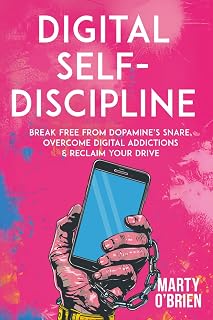
For a deeper guide to breaking free from digital addiction, pick up Digital Self‑Discipline – it has a 4.8 rating and offers practical steps to reclaim your focus.
4. Build in “Transition Rituals”
Between classes, between subjects, between your work day and home life, use a one‑minute ritual to reset. Take three deep breaths, stretch your shoulders, or drink a glass of water. These small resets prevent accumulated stress.
5. Use the “One Thing” Rule
At the end of every day, identify one thing you did well. Not ten things. One. This rewires your brain to look for progress instead of problems. It is a form of self discipline of a teacher because you have to train yourself to notice the positive.
6. Learn to Apologize Authentically
Teachers who have strong self-discipline also know when they have messed up. If you lose your temper or say something you regret, apologize to your class or to an individual student. That takes more discipline than pretending it did not happen. And it models real emotional maturity.
7. Weekly Non‑Negotiable Rest
Pick one evening or one morning each week that is completely off‑duty. No grading, no planning, no emails. This is not a luxury. It is a discipline. Without it, you will eventually break.
The Best Books to Strengthen Your Self‑Discipline as a Teacher
Sometimes you need a coach in book form. Here are the top resources recommended by educators who have mastered the self discipline of a teacher.
| Product | Key Focus | Price | Rating | Picture | Buy at Amazon |
|---|---|---|---|---|---|
| Atomic Habits by James Clear | Building small, consistent habits | $0.00 (audible) | 4.8 | |
Buy now |
| No Excuses! by Brian Tracy | Personal accountability and willpower | $8.66 | 4.7 |  |
Buy now |
| Discipline Equals Freedom by Jocko Willink | Mental toughness and daily action | $12.93 | 4.7 |  |
Buy now |
| The Power of Discipline by Daniel Walter | Self-control and mental toughness | $16.83 | 4.6 | |
Buy now |
| Mindful Self-Discipline by Giovanni Dienstmann | Living with purpose in a distracted world | $0.00 (audible) | 4.7 |  |
Buy now |
How to Recover When You Have a Bad Day
Even the most disciplined teacher has days where nothing works. You lose your cool. You forget a meeting. You go home and cry. That is not failure. That is being human.
The real self discipline of a teacher shows up the next morning when you decide to start fresh. You do not dwell on the bad day. You do not carry it into your next class. You acknowledge it, learn from it, and move on.
“Failure is not falling down. It is staying down.” – Mary Pickford
If you need a daily dose of guidance, 365 Days With Self‑Discipline offers one thought per day to keep you grounded. It is a low‑cost investment in your long‑term resilience.

Final Thoughts: The Discipline That Sets You Free
The self discipline of a teacher is not about being rigid or harsh with yourself. It is about choosing what kind of teacher you want to be, even when it is difficult. It is about staying calm when you want to yell, being consistent when you feel like giving in, and protecting your energy so you can serve your students for the long haul.
You do not have to do it alone. The books and strategies we have shared here are proven tools used by thousands of educators. Start with one small change today. Pause before reacting. Enforce one routine consistently. Say no to one extra commitment.
A disciplined teacher creates a classroom where learning can flourish. And more importantly, a disciplined teacher creates a life that is sustainable, joyful, and full of purpose.
Frequently Asked Questions About the Self Discipline of a Teacher
What is the self discipline of a teacher?
It is the ability to regulate your emotions, maintain consistent routines, and make intentional choices that support long‑term effectiveness without causing burnout. It goes beyond classroom management to include personal habits, boundaries, and mindset.
How can teachers stay calm when students misbehave?
Use the three‑second pause technique before responding. Reframe the behavior as a communication of an unmet need. Practice deep breathing or grounding exercises during the school day. The more you practice pausing, the more automatic it becomes.
Why is consistency so important for teachers?
Consistency reduces student anxiety and confusion. It builds trust and limits power struggles because students know exactly what to expect. Inconsistency drains your energy because you have to re‑establish authority every time you make an exception.
What are the best books to build teacher self-discipline?
Atomic Habits for habit building, No Excuses! for accountability, Discipline Equals Freedom for mental toughness, and The Power of Discipline for practical exercises. The comparison table above gives you a quick overview.
Can self-discipline really prevent burnout?
Yes, but it must be the right kind of discipline. Pushing yourself to work harder will cause burnout. The discipline to set boundaries, rest, and prioritize is what prevents it. Sustainable effort beats heroic bursts.
How do I start building self-discipline as a teacher?
Pick one small habit, like starting your day with a quiet moment or enforcing one rule consistently for a week. Build from there. Use a book like Atomic Habits or Mindful Self‑Discipline to guide you.
What is the difference between self-discipline and willpower?
Willpower is a limited resource that depletes over time. Self‑discipline is a habit and a system that makes the right choice automatic. When you build self‑discipline, you do not rely on willpower in the moment – you rely on the structure you have already created.