
Let’s be honest: you’ve probably stared at a blank document for hours, scrolled through your phone “just for a minute,” and then wondered where the evening went. The struggle is real, but the solution starts with understanding the self discipline definition for students.
Self-discipline isn’t about being a robot who never has fun. It’s the ability to choose what’s best for your future self over what feels good in the moment. For students, that means cracking open the textbook when every fiber of your being wants to watch another episode. It’s the quiet power behind good grades, a clean room, and less stress.
In this guide, we’ll break down exactly what self-discipline looks like for students, why it matters more than talent, and how you can build it without hating your life. Plus, we’ll share top resources like No Excuses!: The Power of Self-Discipline and Atomic Habits to accelerate your growth.

Table of Contents
What Is the Self Discipline Definition for Students?
At its core, the self discipline definition for students is the ability to regulate your own behavior to achieve academic and personal goals. It’s not a magical trait you’re born with. It’s a skill you train, like a muscle.
Brian Tracy, author of No Excuses! (4.7 stars, $8.66), puts it simply: “Self-discipline is the ability to do what you should do, when you should do it, whether you feel like it or not.”
For students, this translates into:
- Studying for an exam without waiting until the night before.
- Turning in assignments on time.
- Saying no to distractions so you can say yes to your degree.
- Building habits that make learning consistent, not chaotic.
Why Self-Discipline Matters More Than IQ
Research shows that self-discipline is a better predictor of academic success than IQ. A famous study by Duckworth and Seligman found that self-discipline accounted for twice as much variance in final grades as intelligence. That’s huge.
When you master the self discipline definition for students, you unlock the ability to:
- Study effectively without needing motivation.
- Stay organized without endless to-do lists that feel overwhelming.
- Stop procrastinating even when the task is boring.
- Manage your time like a pro.
Let’s walk through each one.
Practical Ways to Study with Self-Discipline
1. Use the Pomodoro Technique
Set a timer for 25 minutes of focused work, then take a 5-minute break. After four cycles, take a longer break. This method works because it breaks work into bite-sized chunks.
It’s easier to stay disciplined when you know relief is only 25 minutes away. Your brain stops panicking about “studying for three hours” and starts focusing on the next 25 minutes.
2. Create a “Discipline Trigger”
A trigger is a small action that signals your brain to switch into study mode. For example:
- Put your phone in another room.
- Light a specific candle (yes, scent can associate with focus).
- Play the same white noise or lo-fi playlist every time.
Within a week, your brain will automatically shift gears when that trigger appears. That’s the self discipline definition for students in action: using environment to support your choices.
3. Use the Two-Minute Rule
If a task takes less than two minutes, do it immediately. This applies to opening that reading PDF, writing a single sentence for an essay, or organizing your notes.
Small wins build momentum. Before you know it, you’ve finished a whole chapter without the agony of “getting started.”
Staying Organized: Systems Over Willpower
Willpower is like a phone battery – it runs out by the end of the day. That’s why systems are better than sheer grit.
Build a Weekly Plan (Not a Daily One)
Every Sunday, write down your three biggest academic goals for the week. Then break each into smaller tasks spread across the days. This prevents the Sunday night panic and gives you a clear roadmap.
Declutter Your Digital Space
Notifications are the enemy of consistency. Turn off all non-essential alerts during study hours. Better yet, put your phone in grayscale mode. Studies show that black-and-white screens are less tempting for the brain.
For deeper help, check out Digital Self-Discipline: Break Free from Dopamine’s Snare (4.8 stars, $12.99). It offers specific exercises to reclaim your focus from screens.
Use a Physical Planner
There’s something about writing things down by hand that makes them stick. A simple bullet journal or a pre-made student planner can work wonders. Crossing off a completed task gives a dopamine hit that fuels further discipline.

How to Stop Procrastinating (Even When You Feel Lazy)
Procrastination isn’t laziness. It’s a failure of emotional regulation. You avoid the task because it feels uncomfortable – boring, difficult, or anxiety-inducing.
The 5-Second Rule
Count down from 5 to 1, then physically move. By the time you hit 1, stand up and walk to your desk. This short-circuit’s the brain’s avoidance loop.
Reframe the Task
Instead of “I have to write this essay,” say “I choose to write this essay because I want a good grade and a calmer weekend.” Ownership changes everything. The self discipline definition for students includes this mindset shift: discipline is a choice, not a punishment.
Eat the Frog First Thing
Mark Twain said if you have to eat a live frog, do it first thing in the morning. That frog is your hardest task. Knock it out before checking social media. By 9 a.m., you’ve already won the day.
The Best Books to Build Self-Discipline (With Comparison Table)
Reading is a shortcut to discipline. The following books are highly rated and cover different angles of the self discipline definition for students. Whether you need science, Stoicism, or daily inspiration, there’s something here for you.
Top Picks at a Glance
| Product | Price | Rating | Best For | Buy Now |
|---|---|---|---|---|
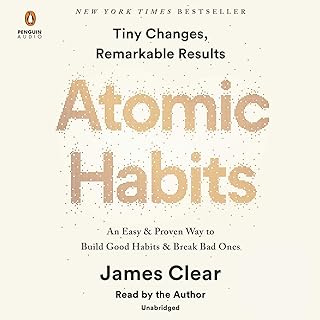 |
Free (audible) | 4.8 | Building tiny habits that stick | Buy at Amazon |
|
$8.66 | 4.7 | A no-nonsense playbook for discipline | Buy at Amazon |
 |
Free (audible) | 4.7 | Overcoming self-sabotage | Buy at Amazon |
 |
$12.93 | 4.7 | Action-focused field manual | Buy at Amazon |
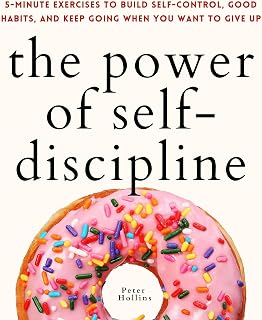 |
Free (audible) | 4.4 | 5-minute daily exercises | Buy at Amazon |
Deep Dive: Why Atomic Habits Changed the Game for Students
James Clear’s Atomic Habits is a Bible for anyone wanting to understand the self discipline definition for students through daily actions. The core idea: small 1% improvements compound into massive results.
Clear introduces the Four Laws of Behavior Change. For students, this means:
- Make it obvious: Place your textbook on your pillow so you have to move it before bed.
- Make it attractive: Pair studying with a reward (e.g., listen to a podcast only while doing practice problems).
- Make it easy: Use the two-minute rule to start.
- Make it satisfying: Track your progress with a simple calendar.
Why The Mountain Is You Helps Stop Procrastinating
This book by Brianna Wiest explores why we sabotage ourselves – the very root of procrastination. It’s not about discipline as force, but about understanding your emotional patterns. When you stop fighting yourself, discipline becomes natural.
How to Use These Books for Maximum Impact
Reading alone won’t change you. You need to apply. Here’s a simple step-by-step:
- Choose one book from the table above that resonates with your biggest struggle (e.g., Digital Self-Discipline for phone addiction).
- Read one chapter per day and immediately write down one action step.
- Implement that action step the same day.
- After 30 days, pick the next book.
This turns abstract concepts into real habits. The self discipline definition for students isn’t about knowledge; it’s about consistent action.
FAQ: Self-Discipline for Students (with JSON-LD)
1. What is the best self discipline definition for students?
Self-discipline for students means making choices that support long-term academic and personal goals, even when you don’t feel like it. It’s the ability to study when you’d rather relax, organize your time, and avoid distractions.
2. How can I improve my self-discipline as a student?
Start small. Use the Pomodoro Technique, remove distractions (especially your phone), and build one habit at a time. The book Atomic Habits offers a proven system.
3. Why do I have no self-discipline?
Lack of self-discipline often comes from overwhelm, burnout, or unclear goals. Your brain is trying to protect you from discomfort. Break tasks into tiny steps and reframe them as choices rather than obligations.
4. Can you learn self-discipline or is it innate?
Self-discipline is a skill anyone can learn. It’s like a muscle: the more you use it, the stronger it gets. Resources like No Excuses! and The Power of Discipline provide practical training.
5. What are the best books for student self-discipline?
Top picks include Atomic Habits, No Excuses!, The Mountain Is You, and Discipline Equals Freedom. See the comparison table above for details.
6. How long does it take to build self-discipline?
With consistent practice, you can see noticeable improvement in 30 days. Books like 365 Days With Self-Discipline (4.5 stars, free) provide daily motivation to keep you on track.
Final Thoughts: Your Discipline, Your Future
The self discipline definition for students isn’t about being perfect. It’s about being consistent. It’s about showing up for yourself day after day, even when the results aren’t immediate.
Start today. Pick one small habit – maybe reading two pages of No Excuses! or doing a single Pomodoro session. That choice is the seed of a disciplined life.
Your future self will thank you. Now go make it happen.