
You’ve tried the all‑or‑nothing approach. You set huge goals, pushed hard for a week, then collapsed on the couch with a bag of chips and a Netflix queue that won’t quit. The guilt sets in, and you swear you’ll do better tomorrow – but tomorrow never comes.
That’s not a lack of willpower. That’s a lack of a system.
Building self discipline in 10 days isn’t about white‑knuckling your way through pain. It’s about rewiring your daily habits so that consistency becomes automatic – and you never hit the dreaded burnout wall again. This isn’t a boot camp. It’s a gentle, practical ramp that anyone can follow.
Let’s get started.
Table of Contents
Why You Keep Burning Out (And How to Stop)
Burnout happens when you try to use sheer willpower for everything. Willpower is a limited resource, like a phone battery. If you wake up and immediately fight ten temptations, you’ll be drained by noon.
The secret? Stop relying on willpower. Instead, design your environment and your day so that the right choice is the easy choice.
That’s exactly what this 10‑day plan teaches you. Each day you’ll add one small, sustainable action. By day 10, you’ll have a stack of habits that run on autopilot – and your battery will still be full.
How the 10‑Day Plan Works
The plan follows a simple rhythm:
- Days 1–3 – Foundation: Clarify your “why” and remove friction.
- Days 4–6 – Build momentum with micro‑habits and environmental tweaks.
- Days 7–9 – Upgrade your routines and handle slip‑ups gracefully.
- Day 10 – Lock it in and plan for the long run.
No extreme morning routines. No 5 a.m. cold showers (unless you want them). Just tiny, repeatable wins that build on each other.
Let’s dive into each day.
Day 1: Define Your “One Thing”
You can’t be disciplined about everything at once. Pick one area – exercise, reading, waking up early, eating better – and commit to improving it for the next 10 days.
Write it down in a sentence: “I will [specific action] for [time/amount] every day for the next 10 days.”
Why does this work? Because a clear target removes decision fatigue. When you know exactly what to do, your brain doesn’t waste energy debating whether to do it.

Brian Tracy’s book No Excuses!: The Power of Self‑Discipline (⭐4.7, $8.66) is the perfect companion here. It cuts through the fluff and gives you straight talk about taking ownership of your life. One quick chapter a day will reinforce your new habit.
“Self‑discipline is the ability to do what you should do, when you should do it, whether you feel like it or not.” – Brian Tracy
Action: Write your “one thing” on a sticky note and put it on your bathroom mirror.
Day 2: Start Ridiculously Small
Most people fail because they aim too high. “I’ll run 5 miles every day!” Sure, for two days. Then your knees and your motivation give up.
Instead, use the two‑minute rule: scale your habit down to something that takes less than two minutes.
- Want to read more? Read one page.
- Want to meditate? Sit for one minute.
- Want to write? Write one sentence.
This isn’t cheating. It’s how you build the identity of a disciplined person. Once you start, you’ll often keep going. But even if you stop after two minutes, you’ve still succeeded.
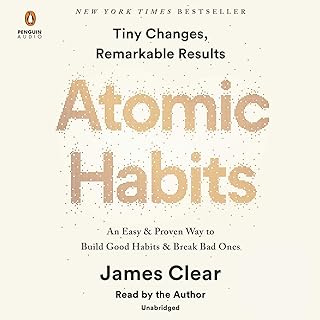
James Clear’s Atomic Habits (⭐4.8, free with Audible trial) is the gold standard on this concept. The book is packed with evidence‑based strategies to make good habits inevitable.
Action: Take your “one thing” from Day 1 and write down its two‑minute version. Do that first thing tomorrow.
Day 3: Make Your Bed
Admiral William McRaven said it best: “If you make your bed every morning, you will have accomplished the first task of the day. It will give you a small sense of pride, and it will encourage you to do another task, and another, and another.”
Making your bed is a keystone habit. It triggers a chain reaction that affects your entire day. You’ll feel more put‑together, and you’ll be less likely to let other areas slip.

Read Make Your Bed: Little Things That Can Change Your Life… And Maybe the World (⭐4.7, $6.95) for a quick, inspiring read. You can finish it in an afternoon.
Action: Set an alarm for 90 seconds. Make your bed as neatly as possible within that time.
Day 4: Remove Temptation from Sight
Willpower is weaker than distance. If the cookie jar is on your desk, you’ll eat the cookies. If your phone is in the next room, you’ll check it less.
Environmental design is discipline without effort.
Take five minutes today to rearrange your space:
- Move junk food to a high cabinet or throw it out.
- Put your gym clothes next to the bed.
- Turn off phone notifications (or use grayscale mode).
- Keep a book on your nightstand instead of your phone.
This is a low‑cost way to make the good path the only path. You won’t have to fight yourself every hour.
Day 5: Use a “Don’t Break the Chain” Calendar
Get a wall calendar or use a simple app. Every day you complete your habit, mark an X on that day. Your goal is to not break the chain.
This method works because visual progress is deeply motivating. You don’t want to see a blank spot – it feels like a loss.
Bonus: If you miss a day, don’t beat yourself up. Just get back on the horse the next day. The chain can still be long and strong.
Day 6: Create a “Power Hour”
Identify the time of day when you have the most energy – for most people, that’s morning. Block one hour and dedicate it to your most important task (MIT). No email, no social media, no interruptions.
This hour is sacred. Protect it like a meeting with the CEO.
You’ll be amazed how much you can get done when you work in focused bursts. This is the foundation of deep work.
Day 7: Add a Second Micro‑Habit
By now, your first habit is feeling easier. It’s time to stack another one on top of it. Choose a second habit that complements the first.
- If you read one page in the morning, now also write down one idea from what you read.
- If you exercised for two minutes, now also drink a glass of water right after.
This is called habit stacking – “After I do [current habit], I will do [new habit].” The chain grows stronger because the first habit becomes the trigger for the second.
Day 8: Plan Your Day the Night Before
Decision fatigue is real. By 8 pm your brain is tired, and you’ll default to the easiest option – scrolling.
Take 5 minutes before bed to write tomorrow’s plan:
- What time will you wake up?
- When will you do your Power Hour?
- What’s the one result you want to achieve?
Lay out your clothes, prepare your gear. The next morning you’ll wake up with a roadmap instead of a blank slate. This tiny ritual drops the resistance of starting.

The Power of Discipline (⭐4.6, $16.83) by Daniel Walter has a whole chapter on “pre‑decisioning” that complements this step beautifully.
Action: Tonight, write down exactly what you’ll do in the first hour of tomorrow.
Day 9: Celebrate Small Wins
Discipline isn’t punishment. You need to reward yourself for sticking to the plan. Otherwise your brain will start to rebel.
After completing your daily habit, do something you enjoy for 5–10 minutes:
- Listen to a song you love.
- Step outside for fresh air.
- Enjoy a cup of your favorite tea.
This creates a positive feedback loop. Your brain will start to want to do the habit because it knows a reward follows.
A word of caution: Don’t reward yourself with the thing you’re trying to reduce. If you’re cutting sugar, don’t reward a workout with a cupcake. Pick something neutral or healthy.
Day 10: Reflect and Lock In
You made it. Ten days of consistency. Take 15 minutes to reflect:
- What worked well?
- What was hardest?
- What can you improve?
Write down three things you learned about yourself. This reflection solidifies the habit and gives you data for the next cycle.
Now commit to another 10 days. Maybe you keep the same habit, maybe you add another layer. The key is to never stop building.
Beyond Day 10: How to Keep Going Without Burning Out
The 10‑day plan is a launchpad, not a finish line. To stay consistent for months and years, follow these rules:
- Increase gradually. Only add a new habit when the current one feels automatic (usually after 2–3 weeks).
- Schedule rest days. Even elite athletes recover. Plan one day per week where you only do the minimum.
- Use accountability. Tell a friend or join an online community. Knowing someone will ask helps you show up.
- Have a “reset” plan. If you miss two days in a row, don’t panic. Simply repeat the last successful day.
Discipline is a skill, not a personality trait. You can get better at it with practice.
Recommended Resources to Deepen Your Practice
Here are the best books on self‑discipline, hand‑picked for this journey. Each one offers a unique angle – from Stoic philosophy to modern habit science.
| Product | Price | Rating | Image | Buy at Amazon |
|---|---|---|---|---|
| No Excuses!: The Power of Self‑Discipline by Brian Tracy | $8.66 | 4.7⭐ | |
Buy Now |
| Atomic Habits by James Clear | $0.00 (Audible) | 4.8⭐ | |
Buy Now |
| Make Your Bed by William H. McRaven | $6.95 | 4.7⭐ | |
Buy Now |
| Discipline Is Destiny by Ryan Holiday | $5.88 | 4.7⭐ |  |
Buy Now |
| The Power of Discipline by Daniel Walter | $16.83 | 4.6⭐ | |
Buy Now |
| The Mountain Is You by Brianna Wiest | $0.00 (Audible) | 4.7⭐ |  |
Buy Now |
Frequently Asked Questions About Self‑Discipline in 10 Days
Can I really build self‑discipline in just 10 days?
Yes – if you focus on one small habit and use the strategies in this plan. Ten days won’t make you a monk, but it will install a new routine that you can build upon. The goal is consistency, not perfection.
What if I miss a day?
That’s fine. Get back on track the next day. The worst thing you can do is let one slip turn into a week of guilt. Missing one day doesn’t break your streak of progress – quitting does.
I’m exhausted by midday. How do I avoid burnout?
Burnout comes from trying to do too much, too fast. This plan is deliberately tiny. If you still feel drained, reduce the habit even further. One push‑up is still a win. Also, get more sleep – discipline runs on sleep.
Is it better to focus on one habit or multiple at once?
One habit at a time is proven to work better. Trying to change three things at once triples the effort and doubles the chance of failure. Master one, then add another.
Do I need to buy books or courses to succeed?
No. The plan itself is free. But if you want extra motivation, the books listed above (especially Atomic Habits and No Excuses!) can accelerate your progress.
What if my habit is huge, like “write a book”?
Break it down into the smallest piece – “write one sentence.” For 10 days, your goal is to write at least one sentence each day. After 10 days, you’ll have a paragraph and the momentum to keep going.
Your 10‑Day Journey Starts Right Now
Self‑discipline isn’t about grinding until you break. It’s about showing up every day – even when it’s boring, even when it’s hard, especially when nobody is watching.
You now have a simple, step‑by‑step plan to build self discipline in 10 days without burning out. Start with Day 1: define your one thing. Then do the two‑minute version of it. Make your bed. Remove temptations. Mark the calendar.
That’s all it takes to begin.
The rest will follow.
Pick one action from today’s plan and do it in the next five minutes. No overthinking. Just move. You’ve got this.