
You have tried to be more disciplined. You set goals, bought a planner, and maybe even downloaded a habit tracker. But a week later, you are back to old patterns. The problem is not you. The problem is that most people never take a proper self discipline course. They just guess their way through willpower battles, and willpower runs out fast.
A real self discipline course is not about grinding yourself into exhaustion. It is about understanding how self-discipline works at a psychological level, building systems that make good habits automatic, and learning to bounce back when you slip. Whether you want to stick to a workout routine, stop scrolling at night, or finally finish that side project, the principles are the same.
In this deep dive, we will break down exactly what you learn in a self discipline course, how these programs are structured, and the science-backed strategies that make discipline actually stick for the long haul. Plus, we will recommend some of the best books and resources that function like a full self discipline course in your pocket.
Table of Contents
What You’ll Learn in a Self Discipline Course
A quality self discipline course is not just a motivational pep talk. It covers several core areas that work together to build lasting self-control. Here are the key lessons you can expect.
The Science of Willpower
Willpower is not a magical force. It is a limited resource that depletes with use, but it can be strengthened over time. A good self discipline course teaches you the ego depletion model and how to manage your willpower budget. For example, you learn to schedule high-focus tasks in the morning when willpower is fresh, and to reduce decision fatigue by automating small choices. This alone can double your consistency without extra effort.
Habit Formation and Cue Routines
You will understand how habits are formed through the cue routine reward loop. The course will show you how to intentionally design your environment to trigger good habits and remove triggers for bad ones. For instance, if you want to exercise in the morning, you lay out your gym clothes the night before. That small cue is a discipline lever.
Mindset and Identity Shifts
Long-term discipline flows from identity. Instead of saying “I am trying to eat healthy,” you learn to say “I am a healthy eater.” A self discipline course teaches you how to adopt identity-based habits, as popularized by James Clear’s Atomic Habits (currently $0.00 on Audible, rated 4.8). When your actions align with who you believe you are, discipline stops feeling like a chore.
Emotional Regulation and Urge Surfing
Discipline is not about suppressing cravings. It is about making conscious choices despite them. Courses teach you techniques like “urge surfing” where you notice the craving, accept it, and ride it out without acting. This skill is crucial for overcoming addictions, digital distractions, and procrastination.
Goal Setting and Action Planning
Vague goals like “be more disciplined” fail. A self discipline course shows you how to set SMART goals and break them into tiny action steps. You learn the difference between outcome goals and process goals, and why focusing on the process is the only reliable path to results.
Accountability and Progress Tracking
Even the most disciplined person needs external accountability sometimes. Courses cover how to set up accountability systems: habit trackers, commitment contracts, or a discipline partner. They also teach you to measure progress without obsessing over perfection.
How a Self Discipline Course Actually Works
Self discipline courses come in various formats, but the effective ones share a common structure. They are not just about reading theory; they involve active practice over time.
Structured Modules and Daily Practices
Most good courses are broken into daily or weekly lessons. For example, a 30-day program might have you focus on one small habit each week. You start with a 5-minute meditation, then add a short exercise, then a no-sugar day. This gradual buildup prevents overwhelm and builds momentum.
Practical Exercises and Reflection
A true self discipline course makes you do the work. You might keep a “temptation log,” practice delayed gratification with small challenges, or write about your identity statements. The reflection helps rewire your brain’s automatic responses.
Community and Coaching
Some courses include a private group or live coaching calls. This social element accelerates learning because you see others struggling and succeeding, which normalizes the process. You also get feedback on your blind spots.
Real Data Backed Resources
Many people choose books as their self discipline course. Books like Brian Tracy’s No Excuses!: The Power of Self-Discipline (priced at $8.66, rated 4.7) are essentially a full course in text form. They cover all the above topics with actionable frameworks. Other excellent options include:
- The Science of Self-Discipline (free on Audible, rated 4.5) – focuses on the neuroscience of willpower.
- Discipline Equals Freedom by Jocko Willink ($12.93, rated 4.7) – a field manual of mental toughness.
- Mindful Self-Discipline (free on Audible, rated 4.7) – combines mindfulness with habit change.
These are not just books; they are self-paced courses that you can revisit anytime.
How to Make Self Discipline Actually Stick
You can learn all the theory in the world, but if it does not translate into daily action, it is worthless. Here are the strategies that make discipline permanent, based on what every effective self discipline course teaches.
Start Smaller Than You Think You Need
Most people overestimate what they can do in a week and underestimate what they can do in a year. If your goal is to wake up at 5 AM, do not attempt it tomorrow. Start by waking up 10 minutes earlier for five days. Once that is automatic, add another 10 minutes. This approach, called “habit stacking,” builds discipline without triggering your brain’s resistance.
Design Your Environment for Success
Your environment is more powerful than your willpower. A self discipline course will tell you to make good habits easy and bad habits hard. For example:
- Put your phone in another room while you work.
- Keep healthy snacks visible and junk food in a cabinet.
- Use website blockers during focused work hours.
These tiny environmental tweaks can account for 80% of your results.
Use the Two-Minute Rule
When you feel resistance to starting a task, commit to doing it for only two minutes. Read one paragraph. Do one push-up. Write one sentence. Often, starting is the hardest part, and once you begin, you will keep going. This trick is taught in nearly every self discipline course because it works with human psychology, not against it.
Forgive Yourself and Reset
Discipline is not perfection. You will have off days. The difference between people who build lasting discipline and those who give up is how they handle a slip. Self-compassion leads to faster recovery. Tell yourself: “Today was off, but tomorrow is a fresh start.” Then get back on track immediately. Guilt only drains your willpower further.
Create Accountability Mechanisms
Tell a friend your goal. Join a group. Post your progress publicly. Use a habit tracker app. When you know someone else will check on you, you are far less likely to skip. Many self discipline courses include templates for accountability contracts. Write one with a penalty if you miss a day, like donating $20 to a cause you dislike.
Focus on Identity, Not Outcomes
Every time you act with discipline, you cast a vote for the kind of person you want to become. If you run three times a week, you are not just exercising; you are becoming a runner. If you write daily, you are becoming a writer. This identity shift is the ultimate motivator because it turns discipline into a natural expression of who you are.
Best Self Discipline Course Resources (Top Picks)
If you want a structured self discipline course you can start today, consider these top-rated books and programs. Each one functions as a complete course with actionable lessons.
Product Comparisons
Here are five excellent resources that serve as a self discipline course. They cover different angles: habit building, stoic discipline, digital addiction, and general willpower training.
| Product | Price | Rating | Key Focus | Image | Buy at Amazon |
|---|---|---|---|---|---|
| Atomic Habits by James Clear | $0.00 (Audible) | 4.8 | Habit formation, identity-based habits, small changes | 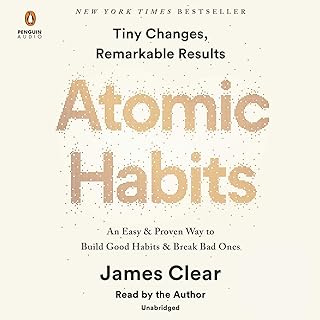 |
Buy at Amazon |
| No Excuses!: The Power of Self-Discipline by Brian Tracy | $8.66 | 4.7 | Practical self-discipline strategies, time management, goal setting |  |
Buy at Amazon |
| Discipline Equals Freedom by Jocko Willink | $12.93 | 4.7 | Mental toughness, stoic mindset, daily rituals |  |
Buy at Amazon |
| Digital Self-Discipline | $12.99 | 4.8 | Overcoming digital addiction, dopamine detox, focus |  |
Buy at Amazon |
| The Power of Self-Discipline: 5-Minute Exercises | $0.00 (Audible) | 4.4 | Bite-sized exercises, habit building, resilience | 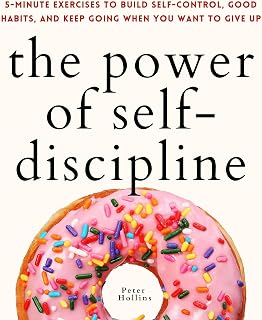 |
Buy at Amazon |
Each of these resources can be your personal self discipline course. Start with the one that resonates most with your struggle. For habit fundamentals, go with Atomic Habits. For a no-nonsense military-style approach, pick Discipline Equals Freedom. If you are battling screen addiction, Digital Self-Discipline is a lifesaver.
FAQ About Self Discipline Courses
Q: How long does it take to see results from a self discipline course?
Most people notice small shifts within the first week, such as less procrastination or better morning routines. Significant changes in character and consistency usually take 30 to 90 days of daily practice. The key is to treat it like building a muscle: consistent work over time.
Q: Can I learn self-discipline without a formal course?
Yes, but a structured self discipline course accelerates the process. It gives you a roadmap, saves you from common mistakes, and provides accountability. That said, reading the right books and applying the principles can work just as well if you are self-motivated. The resources listed above are excellent substitutes.
Q: What if I keep failing after starting a course?
That is normal. Failure is part of the learning process. A good course teaches you to analyze your slip points and adjust. Maybe your environment is not set up right, or your goals are too ambitious. Use the failure as data, not as a verdict.
Q: Are online self discipline courses better than books?
Both have pros and cons. Online courses offer video lessons, community, and coaching, but they cost more. Books are cheaper and allow you to learn at your own pace. The best approach is to use a book as your core curriculum and supplement it with an accountability partner or a free online group.
Q: How do I choose the right self discipline course for me?
Identify your biggest weakness. Is it digital distractions? Lack of motivation? Inconsistent habits? Then pick a resource that addresses that specific area. Read reviews, check ratings, and look at the author’s expertise. The table above helps you compare popular options at a glance.
Conclusion: Your Self Discipline Course Starts Now
You do not need to be perfect to become disciplined. You just need to start. A good self discipline course gives you the tools, but you are the one who must apply them. Begin with one small habit today. Read a chapter from one of the recommended books. Use the two-minute rule to push past resistance. Forgive yourself when you slip and get back up.
The life you want is on the other side of the choices you make right now. And every disciplined choice you make today is a deposit into your future self. So pick your self discipline course, commit to the process, and watch your world change one habit at a time.