
Let’s be honest. You’ve tried the white‑knuckle approach before. You told yourself “this time I’ll stick to it” and for three days you felt unstoppable. Then came a stressful Tuesday, your resolve cracked, and you were back on the couch binge‑watching shows you don’t even like. Sound familiar? You’re not weak. You’re just running on outdated software.
Self Discipline 2.0 is the upgrade you need. It flips the script: instead of fighting temptation with sheer willpower, you design systems that do the heavy lifting. Think of it like a smart home for your habits. You don’t have to remember to lock the door every night because the system does it for you. The same principle applies to exercise, finances, focus, and even relationships.
In this deep‑dive guide, you’ll discover why willpower is a limited resource, how to build systems that make discipline automatic, and which books and tools can accelerate your progress. We’ll also compare top resources so you can choose the right one for your journey. Let’s begin.
Table of Contents
Why Willpower Alone Won’t Get You There
Willpower is like a battery. It drains with every decision, every distraction, and every polite smile you force. Research shows that willpower depletion is real—after resisting a cookie, your brain has less energy to tackle a spreadsheet. That’s why relying on “just try harder” is a losing game.
The solution? Stop relying on willpower for daily execution. Instead, use it only for occasional challenges and let your environment, routines, and systems carry the load. That shift marks the birth of Self Discipline 2.0.
What Are Systems, and How Do They Replace Willpower?
A system is a repeatable process that reduces the mental effort needed to make a good choice. For example, if you want to exercise every morning:
- Old way: Tell yourself “I’ll go to the gym if I feel motivated.” (Willpower heavy)
- System way: Sleep in your workout clothes. Lay out your shoes by the door. Set a recurring alarm with a specific playlist. (Zero reliance on willpower)
Systems remove the friction between intention and action. They turn discipline into a default state rather than a daily debate.
The Core Principles of Self Discipline 2.0
Self Discipline 2.0 rests on four pillars:
- Environment design – Shape your surroundings so the right action is easy and the wrong one is hard.
- Routine stacking – Attach new habits to existing ones so they become automatic.
- Feedback loops – Track progress in a visible way (charts, checklists, streaks) to stay motivated.
- Failure‑proofing – Plan for obstacles so a single slip doesn’t derail you.
These principles apply whether you’re trying to save money, write a book, or quit scrolling social media.
How to Start Building Your Systems Today
You don’t need a complete overhaul. Start with one small area of your life. Pick one habit you want to strengthen and ask yourself: What can I change in my environment to make this easier?
For instance, if you want to read more, put a book on your pillow. If you want to drink more water, keep a full bottle on your desk. These tiny tweaks are the building blocks of Self Discipline 2.0.
Now, let’s look at some of the best resources (books and guides) that can help you master this approach. We’ll feature a few key titles and then compare them.
Essential Resources for Upgrading Your Self‑Discipline
Atomic Habits by James Clear
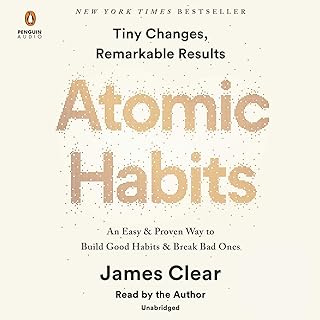
This is the modern bible of systems‑based habit change. James Clear breaks down exactly how small, 1% improvements compound into massive transformations. He introduces the concept of habit stacking, the two‑minute rule, and environment design. If you read only one book on Self Discipline 2.0, make it this one. (Price: $0.00 with Audible trial, Rating: 4.8, 148,600+ reviews)
The Power of Self‑Discipline: 5‑Minute Exercises
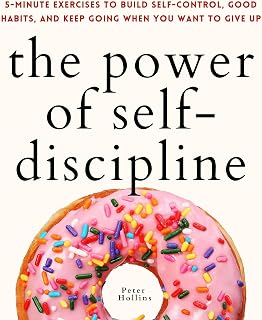
Perfect for busy people who think they have no time. This book offers short, practical exercises that take only five minutes but rewire your brain for consistency. It’s less about grand theory and more about micro‑actions you can do right now. (Price: $0.00 with Kindle Unlimited, Rating: 4.4, 1,100+ reviews)
Digital Self‑Discipline

If your biggest challenge is the smartphone in your pocket, this book is your manual. It dives into dopamine loops, digital addiction, and practical steps to reclaim your attention. The author provides specific system hacks—like grayscale mode, app timers, and “distraction‑free” device setups—that reduce the need for willpower. (Price: $12.99, Rating: 4.8)
Discipline Equals Freedom by Jocko Willink

Jocko’s no‑nonsense approach is a masterclass in mental toughness. While his style can be intense, the underlying message aligns beautifully with Self Discipline 2.0: design your day so you don’t have to negotiate with yourself. He shows how physical discipline (waking early, working out) builds a foundation for everything else. (Price: $12.93, Rating: 4.7, 8,800+ reviews)
Mindful Self‑Discipline

This book bridges Eastern mindfulness with Western habit science. It teaches how to use awareness and intention rather than brute force. If you find yourself distracted or overwhelmed, the mindful approach helps you pause, choose, and act from purpose instead of impulse. (Price: $0.00 with Audible trial, Rating: 4.7)
Comparison of Top Self‑Discipline Resources
| Product | Image | Price | Rating | Best For | Buy at Amazon |
|---|---|---|---|---|---|
| Atomic Habits | |
$0.00* | 4.8 | Complete system building | Buy Now |
| The Power of Self‑Discipline | |
$0.00* | 4.4 | Quick daily exercises | Buy Now |
| Digital Self‑Discipline | |
$12.99 | 4.8 | Overcoming screen addiction | Buy Now |
| Discipline Equals Freedom | |
$12.93 | 4.7 | Mental toughness & daily routines | Buy Now |
| Mindful Self‑Discipline | |
$0.00* | 4.7 | Combining mindfulness with habits | Buy Now |
*Prices may vary; $0.00 often indicates Kindle Unlimited or Audible trial eligibility.
Real‑World Examples of Systems Over Willpower
Example 1: The Writer’s Routine
Instead of waiting for inspiration, a novelist writes 500 words right after her morning coffee. She leaves the laptop open on the kitchen table. The coffee is the trigger, the open laptop removes the “open file” step, and the 500‑word target is small enough to start. No willpower needed.
Example 2: The Frugal Saver
A man who wants to save $500 a month sets up an automatic transfer from checking to savings the day after payday. He also deletes saved credit card info from online stores. He never sees the money, so he never spends it. The system works while he sleeps.
Example 3: The Fitness Newcomer
A woman who hates the gym buys a cheap yoga mat and leaves it in the middle of her living room floor. Every morning she walks over it on her way to the kitchen. Eventually, she lies down “just for a stretch” and does three minutes of movement. Three months later, she’s doing full workouts.
These stories share one thing: they remove friction. They make the right choice the easy choice.
How to Apply Self Discipline 2.0 in Different Life Areas
Finance
- Use automatic bill pay and savings transfers.
- Unsubscribe from retail emails (reduces temptation).
- Keep a “cooling‑off” period for any purchase over $50.
Health
- Prep meals on Sunday so you don’t have to decide what to eat.
- Place your running shoes next to your bed.
- Drink a glass of water before every meal (system for portion control).
Career
- Set two “deep work” blocks in your calendar every day.
- Turn off notifications during those blocks.
- End each day by writing tomorrow’s top three tasks.
Relationships
- Schedule a weekly date night (recurring calendar event).
- Leave your phone in another room during dinner.
- Send a good morning text every day (use a reminder if needed).
Common Pitfalls When Switching to Systems
Pitfall 1: Trying to change everything at once – Pick one system, master it, then move on. Trying to redesign your whole life in a weekend leads to overwhelm.
Pitfall 2: Ignoring the “failure case” – Systems should account for days when you’re sick, tired, or unmotivated. What’s your minimum viable action? For example, “if I don’t feel like exercising, I’ll do one push‑up.” That tiny action keeps the system alive.
Pitfall 3: Forgetting to review – Systems decay. What worked in January might feel stale by June. Schedule a weekly or monthly review to tweak your environment and routines.
The Role of Self‑Awareness in Self Discipline 2.0
You can’t build a system for a problem you don’t see. That’s why mindfulness—whether through meditation, journaling, or a simple pause—is essential. The book Mindful Self‑Discipline (linked above) is a fantastic guide for this. It teaches you to notice your impulses without acting on them automatically. Once you see the pattern, you can design a system around it.
For instance, if you notice you always reach for your phone when bored, the system could be: place your phone in a drawer and keep a puzzle or notebook nearby. Awareness + environment change = unstoppable progress.
How to Measure Your Progress Without Obsessing
Systems thrive on feedback. But tracking every minute can become a new source of stress. The key is to pick one or two metrics that matter. For example:
- Days per week you followed your morning routine.
- Amount saved per month.
- Pages written per week.
Use a physical calendar and put an X on each successful day. That’s it. The visual streak is both a reward and a reminder.
Why Self Discipline 2.0 Is More Sustainable
When you rely on willpower, you’re constantly fighting yourself. That creates mental fatigue and often leads to guilt when you “fail.” With systems, there’s no fight. The environment does the work. You simply set it up once and enjoy the results.
Think of it like planting a garden. Willpower is trying to hold each seedling in place with your hands. Systems are building a trellis and watering the roots. The garden grows itself, with far less effort.
Taking the Next Step
You already have more than enough self‑discipline. The problem is that you’re spending it on the wrong things—like resisting candy or forcing yourself to open a textbook. Reallocate that willpower to designing one powerful system. Then let the system carry you.
Start today. Pick one habit you want to automate. Change your environment. Set a tiny trigger. Remove every obstacle. Watch how your “lazy” brain suddenly starts doing what you want without complaint.
Frequently Asked Questions
What is Self Discipline 2.0?
Self Discipline 2.0 is the modern approach that replaces willpower with systems, routines, and environmental design. Instead of forcing yourself to act, you create conditions where the right action becomes automatic.
Why does willpower fail?
Willpower is a finite resource that gets depleted throughout the day. Systems, on the other hand, require little to no mental energy once set up. That’s why Self Discipline 2.0 is more reliable.
How quickly can I see results?
You’ll notice a difference within a week of implementing even one small system. The magic is in consistency, not speed. Start with one area and let it compound.
Do I need to read a book to practice this?
No, but books like Atomic Habits and Discipline Equals Freedom provide frameworks that accelerate your learning. They’re like blueprints for your system‑building journey.
Can I use Self Discipline 2.0 for quitting bad habits?
Absolutely. In fact, it’s especially effective for breaking bad habits. Make the unwanted behavior difficult: delete the app, hide the snack, or put the TV remote in a drawer. The system works both ways.