
You stare at the blank screen. Your workout clothes are in the drawer. The project deadline is tomorrow. But something inside you feels completely empty. No drive. No spark. Just a heavy fog of 0 self discipline.
Sound familiar? You are not broken. You are not lazy. You are stuck in a motivational void that millions of people face. The difference between those who stay stuck and those who break free is not some superhuman willpower.
It is knowing exactly what to do when you have no motivation and starting anyway.
This guide will show you how to move from zero to action using practical science, real strategies, and a little bit of honest truth. No fluff. No guilt trips. Just a clear path forward.
Let us begin.
Table of Contents
What Does 0 Self Discipline Really Mean?
0 self discipline is not a character flaw. It is a temporary state where your ability to override short-term impulses for long-term gains has fallen to zero. Think of it like a phone battery that has died completely.
It shows up as:
- Picking up your phone instead of starting your work
- Saying "I will do it tomorrow" for weeks
- Feeling guilty but still not moving
- Knowing exactly what you need to do but feeling physically stuck
This is different from depression or burnout. It is a skill deficit. And like any skill, you can rebuild it one tiny repetition at a time.
Why You Have No Motivation: The Real Reasons
Before you can fix 0 self discipline, you need to understand why it happens. Most people blame themselves. But the causes are often biological, psychological, or environmental.
Biological Factors
Your brain runs on chemicals like dopamine. When you scroll social media or eat sugar, you get quick dopamine hits. Real work offers delayed rewards. Your brain naturally defaults to the easy path.
Sleep deprivation, poor nutrition, and lack of exercise also crush your willpower reserves. When your body is tired, your mind follows.
Psychological Blocks
Perfectionism is a silent killer of self-discipline. You tell yourself "if I cannot do it perfectly, I will not start at all." That mindset keeps you at zero.
Fear of failure also freezes you. Your brain perceives the task as a threat and activates the same avoidance circuits as physical danger.
Environmental Traps
Your phone buzzing. A cluttered desk. Open tabs with Netflix. These constant distractions drain your focus before you even begin.
0 self discipline often lives in an environment that makes the wrong choice too easy and the right choice too hard.
How to Start Anyway: The First 5 Minutes Rule
When you have zero self discipline, the biggest mistake is trying to force yourself to do the whole task. That requires willpower you do not have right now.
Instead, use the 5-minute rule. Commit to doing the thing for exactly five minutes. No more.
Your brain protests less when the time commitment is tiny. After five minutes, you have permission to stop. But here is the secret: most of the time, you will keep going. Starting is the hardest part.
This works because of momentum. Once you are in motion, your brain switches from "should I do this?" to "I am already doing this."
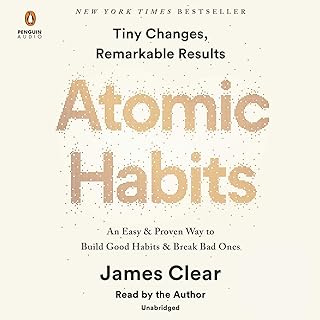
To make this stick, use the 2-minute rule from James Clear's book, Atomic Habits. Scale down your habit until it takes less than two minutes. "Read for one page." "Put on your running shoes." "Open the document."
Practical Strategies When Self Discipline Is at Zero
Here are actionable techniques you can use right now to overcome 0 self discipline.
1. Change Your Environment
Your environment shapes your behavior more than your willpower. If you want to stop procrastinating, remove the triggers.
- Put your phone in another room
- Clear your desk of everything except the task
- Use website blockers during work hours
When the easy path leads to work, you do not need to fight yourself.
2. Use the Seinfeld Method
Comedian Jerry Seinfeld used a simple trick: hang a calendar and mark an X on every day you do your habit. The goal is to not break the chain.
This works because it turns discipline into a visual game. You want to see a long chain of X marks. That desire beats your short-term laziness.
3. Precommitment
Tell someone what you will do and when. Make it concrete. "I will send you my draft by 5 PM." The fear of letting someone down is often stronger than your lack of motivation.
You can also use money commitments. Apps like StickK let you put cash on the line. If you fail, you lose it. That creates immediate urgency.
4. Create a "Never Zero" Rule
Even on your worst days, do something. Write one sentence. Do one push-up. Read one paragraph.
This keeps the chain alive and prevents the spiral of guilt. When you do even one tiny thing, you prove to yourself that self-discipline is still there. It is just buried.

The Role of Small Habits in Rebuilding Self Discipline
Self-discipline is not built in one heroic day. It is built through small, consistent actions. Think of it like a muscle. If you try to lift too much weight when you are weak, you get injured.
Start with one habit. Just one. Make it so small it feels silly. Drink a glass of water when you wake up. Make your bed. Do two minutes of stretching.
James Clear calls this habit stacking. After you do your existing habit, attach a new one. "After I pour my morning coffee, I will write one sentence in my journal."
Over time, these small wins compound. Your identity shifts. You start seeing yourself as someone who follows through. That identity drives further action without needing constant motivation.
Mindset Shifts for Lasting Self Control
To break out of 0 self discipline permanently, you need to change how you think about action.
Stop Waiting for Motivation
Motivation is a feeling. Feelings come and go. If you only act when you feel motivated, you will be inconsistent forever.
Professional athletes train even when they do not feel like it. They rely on systems and habits, not moods. You must do the same.
Embrace Discomfort
Every time you choose action over comfort, you strengthen your self-discipline. This is called "stress inoculation." Small discomforts like cold showers or early wake-ups train your brain to tolerate larger challenges.
The Stoics called this voluntary hardship. It builds mental toughness. A great book on this is Stoic Self-Discipline: Stoicism's 33 Ancient Secrets, which offers ancient wisdom for modern struggles.

Forgive Yourself, Then Move On
Guilt is a trap. When you slip, shame makes you more likely to quit entirely. Instead, acknowledge the slip, learn from it, and get back on track immediately.
The research on self-compassion shows that people who forgive themselves after failures develop stronger self-discipline over time. They treat themselves like a coach, not a critic.
Tools and Resources to Help You Build Self Discipline
You do not have to figure this out alone. These resources can accelerate your progress.
Recommended Books
| Book | Price | Rating | Focus |
|---|---|---|---|
|
$0.00 (audible) | 4.8 | Habit building, identity change |
 |
$8.66 | 4.7 | Self-discipline philosophy, practical action |
|
$12.93 | 4.7 | Mental toughness, daily habits |
|
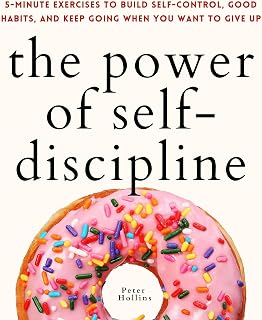
$0.00 (audible) | 4.4 | Quick exercises, building self-control |
 |
$12.99 | 4.8 | Breaking digital addiction, focus |
Comparison Table: Top Books for Building Self Discipline
| Feature | Atomic Habits | No Excuses! | Discipline Equals Freedom | The Power of Self-Discipline (5-Minute Exercises) | Digital Self-Discipline |
|---|---|---|---|---|---|
| Price | $0.00 (audible) | $8.66 | $12.93 | $0.00 (audible) | $12.99 |
| Rating | 4.8 / 5 | 4.7 / 5 | 4.7 / 5 | 4.4 / 5 | 4.8 / 5 |
| Main Focus | Habit systems, identity | Mindset, overcoming excuses | Military-style discipline, daily action | Short exercises, quick wins | Digital addiction, focus |
| Best For | Beginners wanting to build lasting habits | People who need a motivational kick | Those who want tough love and structure | People with very little time | Heavy phone users and tech addicts |
| Buy Link | Buy on Amazon | Buy on Amazon | Buy on Amazon | Buy on Amazon | Buy on Amazon |
Your First Day Action Plan
You have read enough. Now is the time to act. Follow this plan to go from 0 self discipline to moving forward.
Step 1: Pick one small task. Write it down. "I will do two minutes of exercise."
Step 2: Remove all barriers. Set out your shoes. Open the app. Clear the space.
Step 3: Set a timer for exactly two minutes.
Step 4: Start before you feel ready. Count down from five. Three, two, one. Go.
Step 5: After two minutes, you can stop. But you will probably keep going.
Step 6: At the end of the day, mark a check on a calendar. You did it. You are no longer at zero.
Repeat this for seven days. Then add a second tiny habit. Over time, you will rebuild your self-discipline from the ground up.
Frequently Asked Questions About 0 Self Discipline
What causes 0 self discipline?
It usually comes from a combination of low energy, high stress, overwhelming tasks, and an environment full of distractions. Your brain is wired to avoid discomfort, and if you have not trained it to push through, you default to avoidance.
Is 0 self discipline permanent?
Absolutely not. Self-discipline is like a muscle. It can be weakened by neglect but also strengthened by consistent use. Even one small action today begins the rebuilding process.
How can I build self discipline when I have no motivation at all?
Start smaller than you think possible. Use the two-minute rule. Do not rely on motivation at all. Rely on systems like habit stacking, accountability, and environment design. Action comes first; motivation follows.
What is the best book for someone with zero self discipline?
For most people, Atomic Habits is the most practical and science-backed starting point. If you prefer a direct, no-nonsense approach, No Excuses! by Brian Tracy is excellent. If you need tough love and short chapters, Discipline Equals Freedom by Jocko Willink works well.
Can I build self discipline without willpower?
Yes. Willpower is a limited resource. Instead, use strategy. Make the right choice the easy choice. Remove temptations. Set up precommitments. Use small wins to build momentum. That is far more sustainable than relying on willpower alone.
How long does it take to rebuild self discipline from zero?
You can see improvements in as little as one week if you take consistent tiny actions. But lasting change takes about 66 days on average, according to habit research. Do not focus on the timeline. Focus on the next tiny action.
You started this article feeling stuck at 0 self discipline. You now have the tools to move. No one else is coming to save you. But you do not need saving. You just need to start.
Do one thing today. Just one. Then do it again tomorrow. That is how you turn zero into momentum.
The life you want is on the other side of those small, uncomfortable actions. Go claim it.