
You know the feeling. You swear you'll stop scrolling at 10 PM, but at 1 AM you're still watching cat videos. You promise yourself you'll skip the donut, but your hand moves before your brain engages. We've all been there. The tug-of-war between what you want now and what you want most is real.
But here's the question that keeps tripping people up: Is the answer more raw willpower (self control) or more consistent routines (self discipline)? And which one actually helps you break bad habits for good?
The short answer is that self discipline wins for long term change, but self control gets you through the tough moments. However, if you only rely on self control, you'll burn out. If you only rely on self discipline without understanding the mechanics, you'll fall back on old patterns. Let's dive deep into the self control vs self discipline debate and find out what really works.
Table of Contents
What Is Self Control? The Emergency Brake
Self control is your ability to resist an immediate temptation. It's the voice that says "no" when the waiter brings the dessert menu. It's the force that stops you from sending that angry email.
Self control is reactive. You face a trigger, and you activate your mental brakes. Psychologists call this "inhibitory control." It's a finite resource. Think of it like a battery. Every time you say no to a craving, you drain a little more power.
Key traits of self control:
- Short term focused
- Drains willpower quickly
- Works best when you're fresh and rested
- Can be strengthened with practice, but still limited
The problem? If you rely solely on self control to break a bad habit, you're setting yourself up for failure. You can't out willpower your own biology forever. That's why diets fail. That's why quitting smoking cold turkey works for some but not most.
What Is Self Discipline? The Engine of Consistency
Self discipline is different. It's not about resisting temptation in the moment. It's about building systems and habits that make the right choice the easy choice.
Self discipline is proactive. You don't wait for the temptation to arrive and then fight it. You design your environment so the temptation never shows up. You create routines that automate good behavior.
Key traits of self discipline:
- Long term oriented
- Builds momentum over time
- Conserves willpower by removing decisions
- Rooted in identity and values
Self discipline is the engine behind habit formation. When you have strong self discipline, you don't need to rely on heroic acts of self control every day. You just follow your system.
Self Control vs Self Discipline: The Core Difference
Here's a simple way to understand the distinction:
| Aspect | Self Control | Self Discipline |
|---|---|---|
| Action | Resisting an urge | Choosing a better path automatically |
| Energy | Depletes quickly | Sustains over time |
| Trigger | External temptation | Internal commitment |
| Example | Not eating the cookie in front of you | Meal prepping so you never crave cookies |
Self control is the firefighter. Self discipline is the architect who builds fireproof buildings.
Which One Matters More for Breaking Bad Habits?
Self discipline matters more, but not in the way you might think. Here's the truth: Self discipline doesn't eliminate the need for self control. It reduces the number of times you need to use it.
Consider this: If you want to stop mindless snacking, you can rely on self control to say no every time you pass the pantry. Or you can use self discipline to reorganize your kitchen, keep healthy snacks on the counter, and put junk food out of sight. The self discipline approach works because it doesn't drain your willpower.
Self control is for emergencies. When you're at a party and someone shoves a slice of cake in your face, you need self control to say no. But if you've built self discipline into your daily routine, those emergencies become rare.
The best strategy is to build self discipline as your foundation and use self control as your backup.
Why Self Control Alone Fails (And What to Do Instead)
Research shows that people with high self control don't actually use it more often. They just arrange their lives to avoid temptation. A study from Duke University found that people who scored high on self control measures reported fewer temptations overall. They weren't better at resisting. They were better at avoiding.
So if you're stuck in a cycle of breaking bad habits only to relapse, you're probably over relying on self control. Here's how to shift to self discipline:
- Change your environment. Out of sight, out of mind. Remove the triggers.
- Create implementation intentions. Write "When [situation], I will [action]." This automates decisions.
- Stack new habits onto existing ones. Pair the new behavior with something you already do.
- Focus on identity. Instead of "I want to stop smoking," say "I'm a non smoker." Self discipline flows from who you believe you are.
The Ultimate Habit Breaking System: Discipline + Control
To break a bad habit permanently, you need both tools, but you lead with discipline.
Step 1: Diagnose the cue. What triggers the bad habit? Stress? Boredom? Time of day?
Step 2: Remove the cue. Use self discipline to redesign your environment. If you can't remove the cue, plan how you'll respond using self control.
Step 3: Replace the reward. Bad habits exist because they satisfy a craving. Find a healthier alternative that meets the same need.
Step 4: Build accountability. Tell someone your goal. Public commitment strengthens self discipline.
Step 5: Practice deliberate self control sparingly. Only use willpower when the system fails.
Books to Strengthen Your Self Discipline and Self Control
The best way to become someone who breaks bad habits easily is to learn from those who have mastered both self control and self discipline. Here are some powerful resources.
No Excuses!: The Power of Self-Discipline by Brian Tracy

Brian Tracy's classic cuts through the fluff. He argues that self discipline is the master key to success. The book is blunt, motivational, and packed with practical strategies for taking control of your life. At just $8.66, it's a steal. The 4.7 star rating from thousands of readers proves it works.
Atomic Habits by James Clear
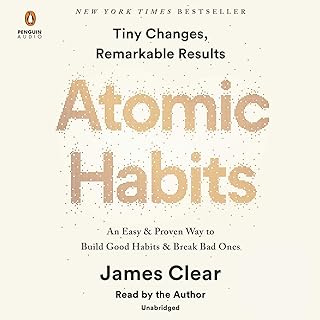
This is the modern bible of habit change. James Clear explains how small changes lead to remarkable results. He focuses on systems over goals, which aligns perfectly with self discipline. The audiobook is currently free with a trial, but the hardcover is well worth the investment. With a 4.8 rating and over 148,000 reviews, it's the most recommended book on this topic.
The Science of Self-Discipline by Peter Hollins

Hollins breaks down the psychology behind willpower and mental toughness. He explains why your brain resists discipline and how to override it. The audiobook is free with a trial, and the paperback is highly rated at 4.5 stars. If you want the science behind the self control vs self discipline debate, start here.
Discipline Is Destiny by Ryan Holiday

Ryan Holiday takes a Stoic approach to self control. He argues that self discipline is not about restriction but about freedom. The book is part of his Stoic Virtues series and has a 4.7 rating. At $5.88, it's an affordable way to reframe your understanding of self control as a path to greatness.
The Mountain Is You by Brianna Wiest

This book tackles self sabotage head on. Wiest shows how your bad habits are often trying to protect you. She offers a compassionate but firm approach to self mastery. The audiobook is free with a trial, and the 4.7 rating reflects how many people have found it life changing.
Comparison Table: Top Books on Self Control vs Self Discipline
| Book | Price | Rating | Key Focus | Buy Link |
|---|---|---|---|---|
| Atomic Habits |
$0 (audible) | 4.8 | Habit systems, environment design | Buy at Amazon |
| No Excuses! |
$8.66 | 4.7 | Self discipline mindset, productivity | Buy at Amazon |
| The Science of Self-Discipline |
$0 (audible) | 4.5 | Willpower, mental toughness | Buy at Amazon |
| Discipline Is Destiny |
$5.88 | 4.7 | Stoic self control, freedom through discipline | Buy at Amazon |
| The Mountain Is You |
$0 (audible) | 4.7 | Self sabotage, emotional mastery | Buy at Amazon |
Practical Strategies to Build Both Self Control and Self Discipline
You don't have to choose one over the other forever. You can train both like muscles. Here's how.
For Self Control
- Practice the "10 minute rule." When a craving hits, wait 10 minutes. Most urges fade.
- Keep your blood sugar stable. Low glucose levels weaken willpower. Eat balanced meals.
- Meditate. Even 5 minutes of mindfulness a day improves impulse control.
- Get enough sleep. Sleep deprivation is public enemy number one for self control.
For Self Discipline
- Set non negotiables. Decide three things you will do every day, no matter what.
- Use a habit tracker. Seeing your streak motivates consistency.
- Create a "discipline ritual." A specific action that signals the start of a disciplined session (e.g., making your bed).
- Remove all friction. If you want to exercise, sleep in your workout clothes.
Real Life Example: Breaking the Social Media Scroll Habit
Let's apply the self control vs self discipline framework to a common bad habit: endless social media scrolling.
Self control approach: You see the Instagram icon on your phone. You feel the urge to tap it. You use willpower to put the phone down. This works for a few minutes, but eventually the urge returns and you cave.
Self discipline approach: You delete the app from your phone entirely. You set a specific time each day to check social media on your laptop. You install a website blocker. You keep your phone in another room while working.
Which one works long term? Obviously the second. You removed the need for self control entirely. The bad habit fades because you never have to fight it.
The Role of Identity in Breaking Bad Habits
James Clear sums it up perfectly: "The most practical way to change who you are is to change what you do." But the reverse is also true. If you believe you're someone who lacks self control, you'll keep proving yourself right.
Shift your identity. Instead of "I'm trying to quit sugar," say "I'm a person who prioritizes health." Instead of "I'm struggling with discipline," say "I'm building discipline every day."
This is where self discipline becomes a lifestyle, not a battle. You stop asking "Will I have the willpower to resist today?" and start asking "What would a disciplined person do right now?"
When Self Control Is Actually the Better Tool
There are moments when self control is king. Emergency situations. High stakes decisions. Times when you haven't yet built the systems.
But here's the secret: You can pre engage your self control. Use a commitment device. For example, if you want to save money, put it in a separate account that you can't easily access. You're using one moment of self control to lock in future discipline.
Think of self control as the spark plug and self discipline as the engine. The spark plug gets things started, but the engine does the real work.
Summary: The Verdict
For breaking bad habits, self discipline matters more. It's sustainable, conserves energy, and builds momentum. Self control is your safety net for unexpected moments.
If you're serious about changing your life, stop trying to become a willpower superhero. Start building systems that make the right choice the only choice.
Read No Excuses!: The Power of Self-Discipline to get kicked in the pants into action. Read Atomic Habits for the exact framework. Read The Mountain Is You to understand why you sabotage yourself.
Then take action. Not tomorrow. Today.
Frequently Asked Questions
What is the difference between self control and self discipline?
Self control is resisting a specific temptation in the moment. Self discipline is consistently acting according to your values and goals, often through habits and systems. Self control is reactive; self discipline is proactive.
Can you have self discipline without self control?
Not really. Self discipline often requires moments of self control to establish new habits. But as self discipline grows, you need less self control.
Which is more important for weight loss?
Self discipline matters more because you can meal prep, remove junk food from your home, and schedule workouts. Self control alone will lead to burnout.
How can I improve my self control?
Start small. Practice delaying gratification in low stakes situations. Get enough sleep, eat well, and meditate. Avoid decision fatigue by automating choices.
Is self discipline genetic?
No. While some people may have a natural advantage, self discipline is a skill you can build. Research shows that practice and environment matter far more than genetics.
What are good books on self control and self discipline?
Atomic Habits (4.8 stars), No Excuses! (4.7 stars), Discipline Is Destiny (4.7 stars), The Science of Self-Discipline (4.5 stars), and The Mountain Is You (4.7 stars) are excellent places to start.
Script for FAQ Schema