
Your phone buzzes. A notification pops up. You reach for it without thinking. That split second of lost focus is exactly what keeps you from building real self control. Most people try to strengthen willpower by staring at a blank wall or meditating for hours. But there is a simpler, more enjoyable way to train your brain. A self control crossword is not just a pastime. It is a deliberate practice that forges patience, sharpens focus, and rewires your ability to resist the easy answer. Whether you are a beginner or a seasoned puzzler, the strategies in this guide will turn your crossword habit into a powerful tool for self discipline.
Table of Contents
Why Crossword Puzzles Are a Hidden Gym for Your Willpower
Crossword puzzles force you to sit with uncertainty. You stare at a clue. Nothing comes. Your instinct screams: look it up, move on, do anything else. But real growth happens when you resist that urge. Every time you stay with a tough clue, you strengthen your impulse control. Research on delayed gratification shows that the ability to tolerate frustration without giving up is a core component of self discipline. A self control crossword trains exactly that muscle.
The mental agility required to juggle multiple possibilities, accept partial answers, and revisit clues later mirrors the patience needed in real life. You learn that persistence, not quick answers, leads to success. This is why many high performers use crosswords as a morning ritual to prime their focus.
The Best Crossword Strategies to Train Patience and Focus
Let us get practical. You cannot just fill in squares and expect to become a master of self control. You need intentional strategies. Below are the most effective methods to turn every puzzle into a discipline drill.
Start with Easy Puzzles and Build Up
Many people quit crosswords because they grab a New York Times Saturday puzzle and feel stupid. That is not discipline. That is ego. A smart self control crossword practice begins with puzzles that challenge you but do not crush you. Start with Monday NYT puzzles or themed books. The goal is to build momentum. Each completed puzzle releases a small dose of dopamine, reinforcing the habit. As you progress, you learn to handle harder clues without panicking. This mirrors how you should approach any new discipline: gradual exposure, not a cold plunge.
Use a Pencil (and Erase Without Shame)
Writing in pen signals commitment, but it can also spike anxiety. You freeze, afraid to make a mistake. That fear undermines patience. Use a pencil. When you have to erase, you practice humility and adaptability. Each erasure is a lesson in letting go of being right the first time. This is a fundamental aspect of self discipline: accepting that progress involves errors.
Set a Timer, Then Extend It Gradually
Instant gratification has trained you to want answers now. A timer forces you to stay engaged. Set 15 minutes daily for a puzzle. Do not look at the clock. When the timer goes off, stop. Tomorrow, add two minutes. Over a month, you will double your sustained attention span. This technique, known as progressive overload, is the same principle used in strength training. A self control crossword session with a timer becomes a focused meditation.
Ban the Cheat Button
Most crossword apps offer a reveal or check feature. Using it is like skipping leg day. The entire point of practicing self control is to let your brain struggle productively. If you cannot solve a clue, leave it blank. Come back after solving other clues. This builds working memory and mental flexibility. Research on self regulation shows that resisting the urge to look up answers strengthens prefrontal cortex activity. Treat every skipped reveal as a victory.
Practice the "One Clue, No Distractions" Rule
Before you even pick up the puzzle, clear your environment. Put your phone in another room. Close unnecessary browser tabs. Then read the first clue. Sit with it for 60 seconds without moving. If your mind wanders, bring it back. That single act of focused attention is harder than any clue. Doing this daily trains your brain to stay on task, a skill that transfers directly to work and relationships.
Reflect on Your Emotional Responses
After finishing a puzzle (or giving up), take 30 seconds to journal how you felt. Did you get frustrated? Did you want to quit? What did you tell yourself? This mirrors cognitive behavioral techniques for building self discipline. Recognizing your patterns is the first step to changing them. Over time, you will notice that your patience extends beyond the grid.
Combine Crosswords with Physical Anchors
Anchor your puzzle habit to a physical cue. For example, every time you sit down with coffee, you do one clue. Or you stretch before each puzzle. This creates a Pavlovian response: body relaxes, mind focuses. James Clear, author of Atomic Habits, calls this habit stacking. It is one of the most reliable ways to embed a new behavior.
How Crossword Training Complements Self Discipline Books
Crosswords train the "how" of self control, but books teach the "why". Reading about discipline reinforces the mental habits you build through puzzles. The two practices feed each other. Here are some of the best resources to pair with your self control crossword routine.
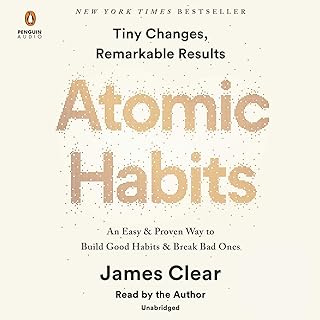
Atomic Habits by James Clear (Rating 4.8, Free on Audible) is the cornerstone of habit formation. Clear explains how tiny changes lead to remarkable results. After doing a crossword daily for two weeks, you will see his principles in action. The book is included free with an Audible trial, so you can listen while resting between puzzles.

The Power of Discipline ($16.83, Rating 4.6) by R. Joshua Scott offers practical exercises for building mental toughness. It directly addresses how to maintain focus when distractions are loud. Use it to analyze why you wanted to cheat on a tough clue.

Discipline Is Destiny ($5.88, Rating 4.7) by Ryan Holiday is a stoic meditation on self control. Holiday uses historical examples to show how discipline shapes character. Read a chapter after each crossword session to cement the connection between mental focus and personal freedom.

The Mountain Is You (Free on Audible, Rating 4.7) by Brianna Wiest helps you understand self sabotage. When you catch yourself wanting to skip a crossword, that is the mountain. This book gives you the language to overcome that inner resistance.

No Excuses! ($8.66, Rating 4.7) by Brian Tracy is a classic on the power of self discipline. Tracy's no nonsense style pairs well with the direct feedback of crossword solving. Use his 21 day discipline plan alongside your puzzle streak.
Comparison Table of Top Self Discipline Books for Crossword Training
| Product | Price | Rating | Key Benefit | Buy Now |
|---|---|---|---|---|
|
$0.00 (Audible trial) | 4.8 | Habit stacking and small daily improvements | Buy at Amazon |
|
$16.83 | 4.6 | Practical mental toughness exercises | Buy at Amazon |
|
$5.88 | 4.7 | Stoic perspective on self control | Buy at Amazon |
|
$0.00 (Audible trial) | 4.7 | Overcoming self sabotage patterns | Buy at Amazon |
|
$8.66 | 4.7 | No nonsense 21 day discipline plan | Buy at Amazon |
Additional Tips for Making Crosswords a Consistent Discipline Practice
Track your streak. Use a simple calendar. Mark every day you complete at least one clue. After seven days, you will not want to break the chain.
Join a crossword community. Online forums and apps allow you to share your progress. Accountability is a proven motivator. When you tell others you are training self control, you are more likely to follow through.
Rotate difficulty levels. If you only do easy puzzles, you plateau. If you only do hard ones, you burn out. Mix Monday and Saturday puzzles across your week. This variation keeps your brain plastic and your patience resilient.
Use crosswords as a transition ritual. Between work and family time, do two clues. This clears mental clutter and signals to your brain that you are shifting gears. It is a form of intentional self discipline that prevents the afternoon slump.
The Science Behind Crossword Self Control
Cognitive scientists have found that puzzles like crosswords activate the dorsolateral prefrontal cortex, the region responsible for executive function and impulse control. When you resist the urge to peek at an answer, you are literally strengthening that neural pathway. A 2018 study in the Journal of Gerontology showed that regular crossword solvers had better working memory and sustained attention compared to non solvers. This is not just about vocabulary. It is about mental discipline.
The key insight is that self control is not an inborn trait. It is a skill that improves with deliberate practice. A self control crossword provides immediate feedback. You either filled the square correctly or you did not. There is no ambiguity. That clarity helps you calibrate your effort. Over time, you learn exactly how much patience a tough clue requires.
How to Start Your Self Control Crossword Practice Today
Step 1: Choose a puzzle source. Free options like the NYT Mini or printable puzzles from Puzzle Prime work well.
Step 2: Set a specific time and place. Morning coffee works best for many because your willpower is highest.
Step 3: Commit to 10 minutes minimum. No phone, no music.
Step 4: Apply the no cheat rule. Write down clues you cannot solve. Come back after other clues.
Step 5: After finishing, write one sentence about your emotional state. Did you feel frustrated? Triumphant? Bored? This reflection turns the puzzle into a self discipline journal.
Within two weeks, you will notice a difference. You will wait longer before checking your phone. You will hold your temper when stuck in traffic. The patience you develop on the grid spills into every corner of your life.
FAQ: Self Control Crossword Questions Answered
Can doing crosswords really improve self discipline?
Yes. The deliberate act of staying with a difficult clue without giving up trains your brain to tolerate frustration. This skill directly transfers to real world situations where you need patience.
How often should I do crosswords to see results?
Daily is ideal, even if only for 5 minutes. Consistency builds neural pathways faster than sporadic long sessions.
What if I get stuck and feel like giving up?
That is the most important moment. Take a deep breath. Look away for 30 seconds. Return with fresh eyes. Every time you overcome the urge to quit, you strengthen self control.
Are digital crosswords as effective as paper puzzles?
Digital puzzles offer convenience but also more distractions (notifications, easy cheat buttons). Paper puzzles force you to work without shortcuts. For training discipline, paper is slightly better. But any crossword is better than none.
Can I do this if I am a beginner?
Absolutely. Start with easy themed puzzles. The goal is not to be a genius solver. The goal is to practice patience. A beginner who struggles with three clues learns more about self control than an expert who breezes through.
How do crossword strategies combine with self discipline books?
Books give you the theory and motivation. Crosswords give you the practice field. Read a chapter of The Psychology of Self Discipline ($17.99, Rating 4.6) in the morning, then apply its strategies during your puzzle session.
What if I cheat and look up answers?
That is okay, as long as you notice it. The point is awareness. Each time you cheat, make a mental note. Tomorrow try to resist one extra minute. Progress, not perfection.
Your Next Step
A self control crossword is more than a game. It is a laboratory for building the discipline that transforms your life. You now have the strategies to turn every puzzle into a mental workout for patience and focus. Combine them with one of the recommended books, and you create a powerful feedback loop: reading teaches you the principles, crosswords test them.
Start today. Pick a puzzle. Set a timer. Resist the cheat button. Notice how your mind rebels. Then notice how it calms. That calm is your new superpower. The squares will fill, and so will your capacity for self control.